Tailor's pins
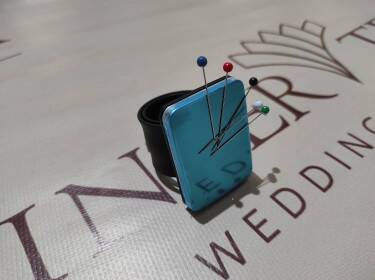
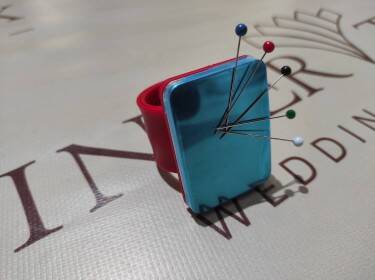
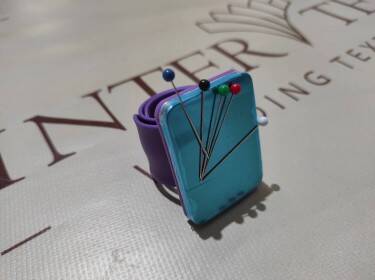
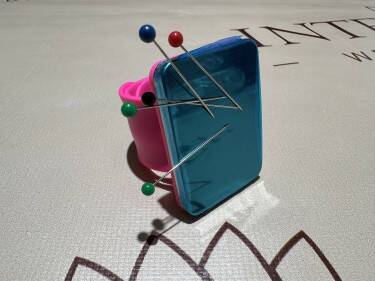
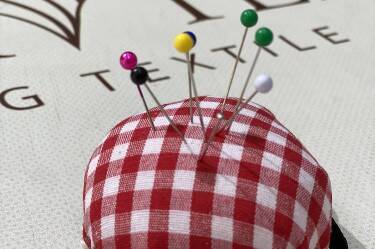
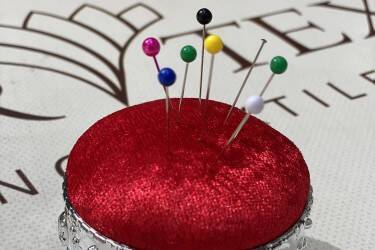
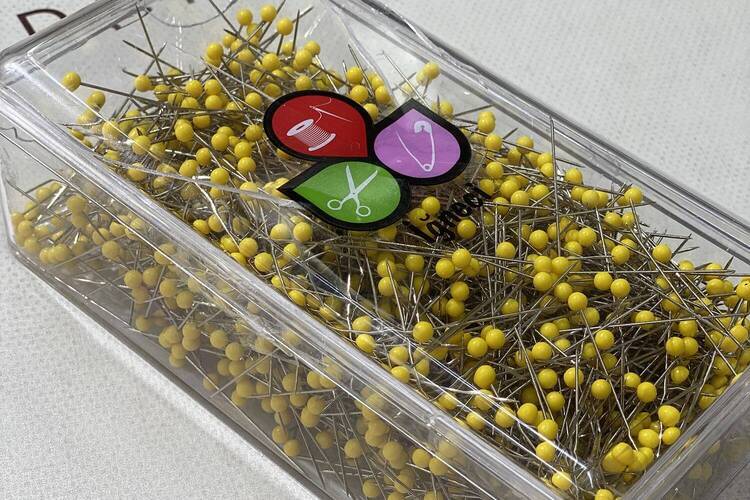
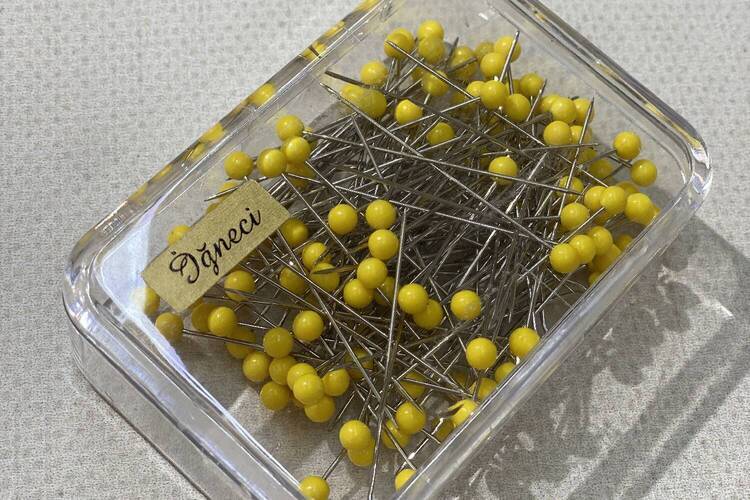
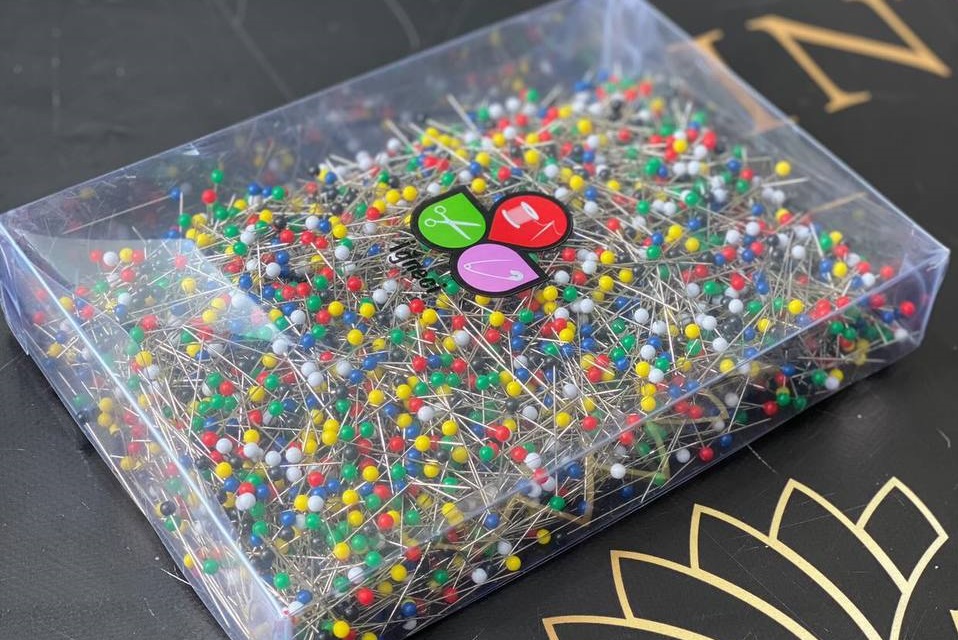
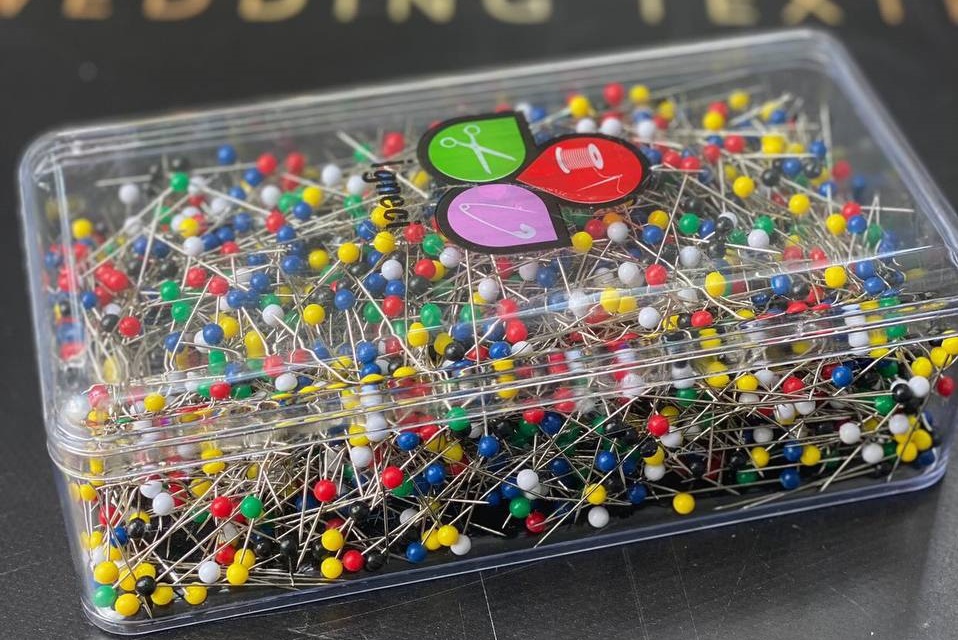
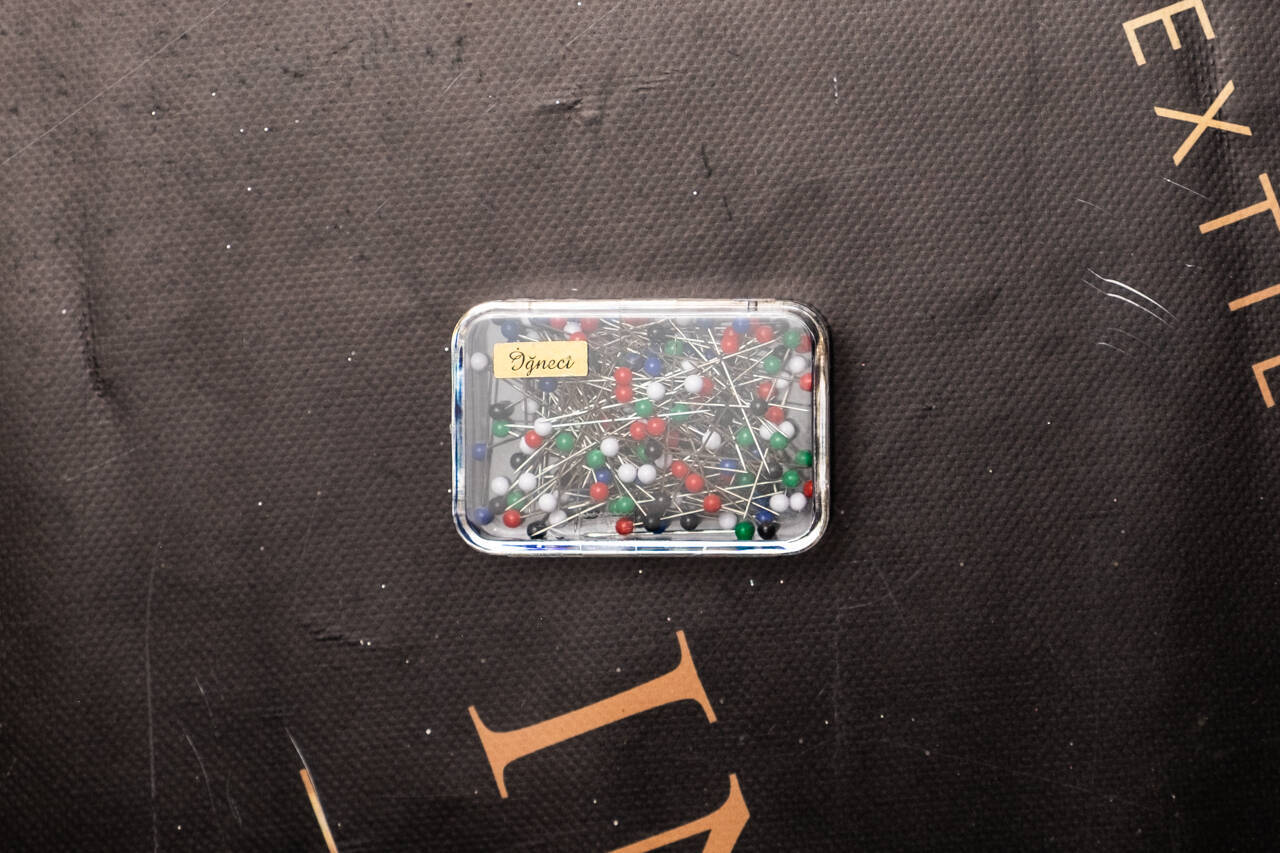
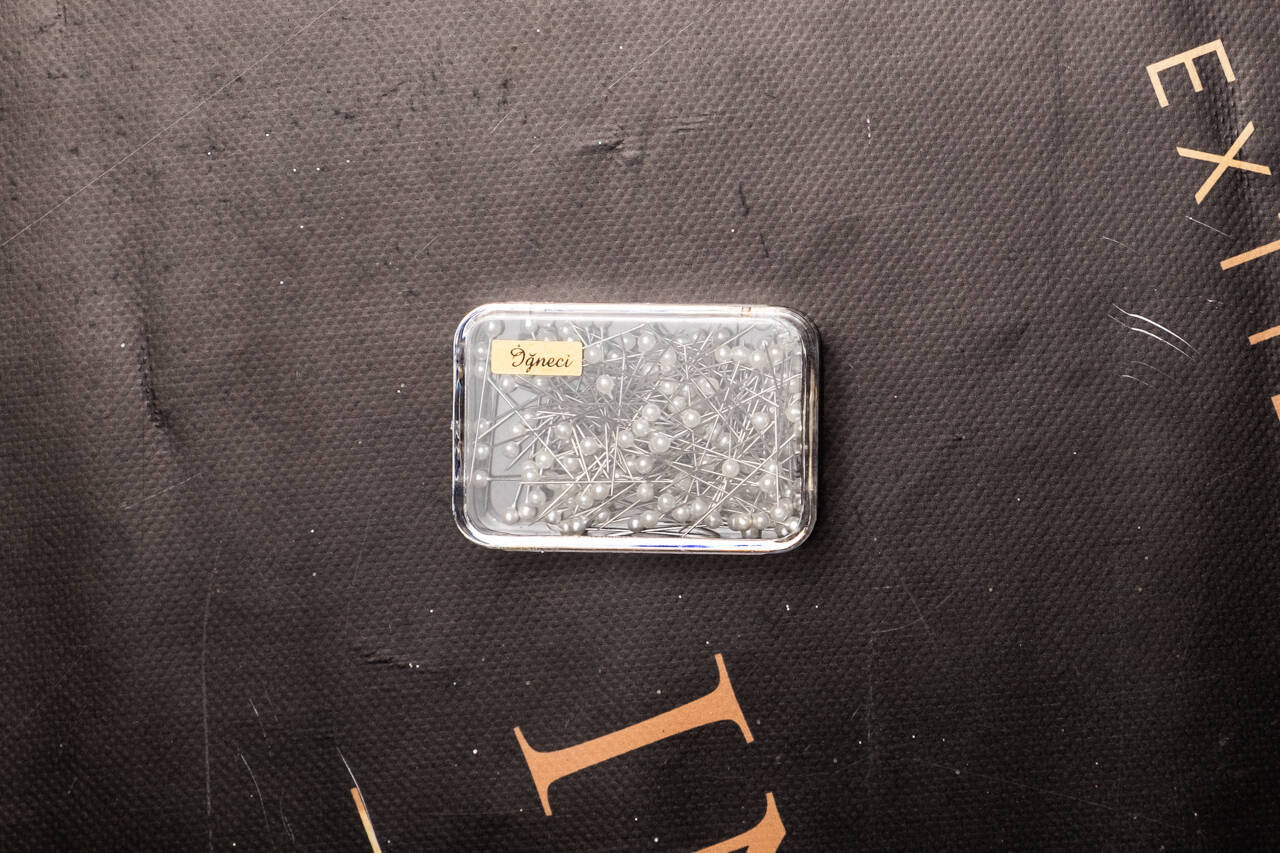
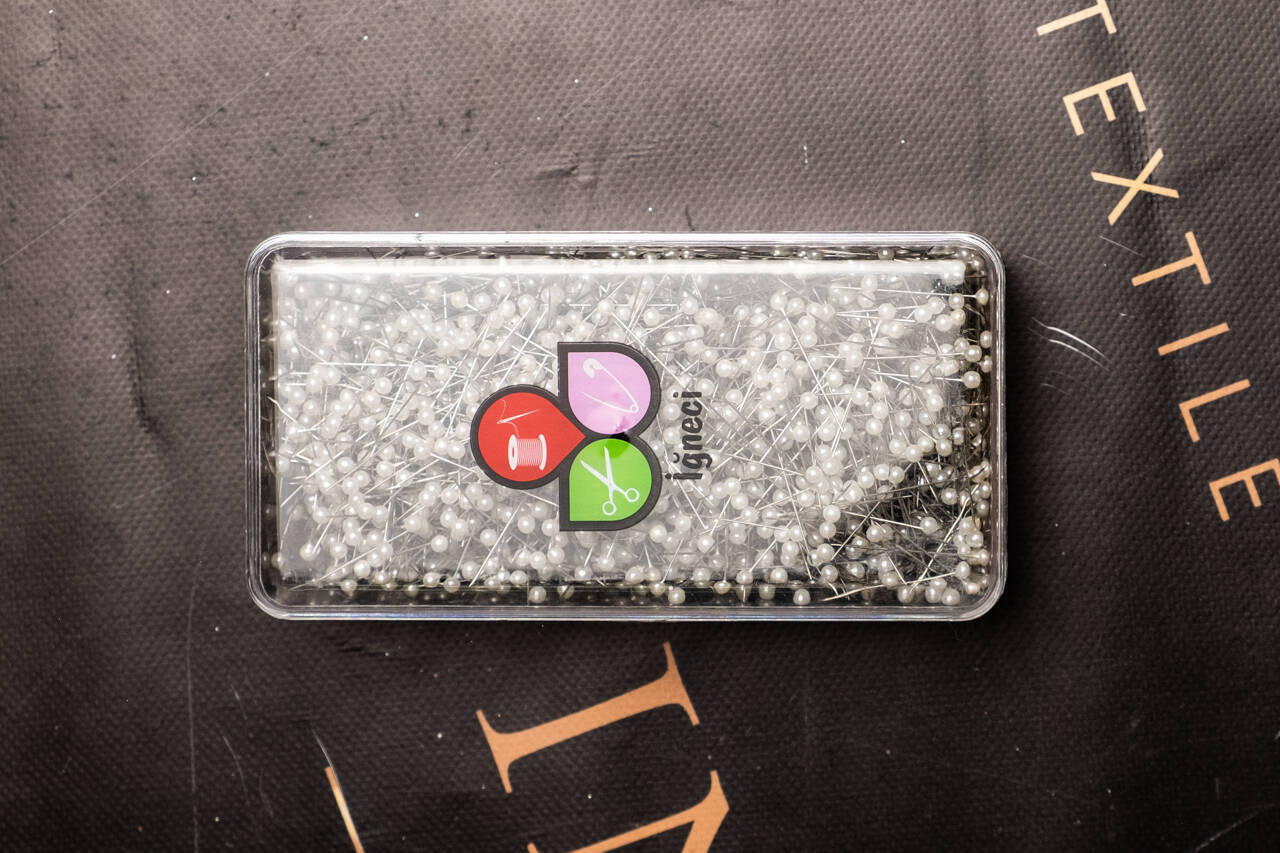
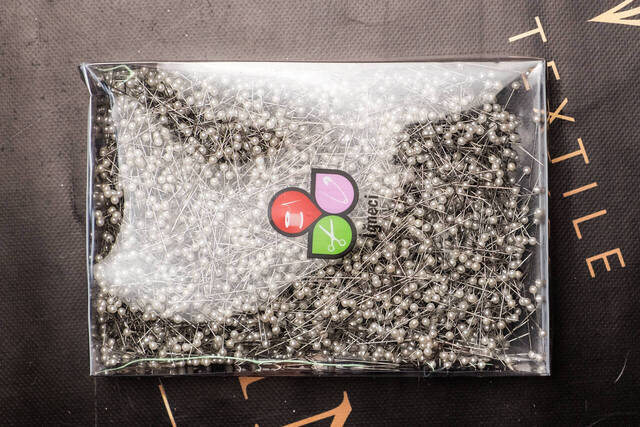
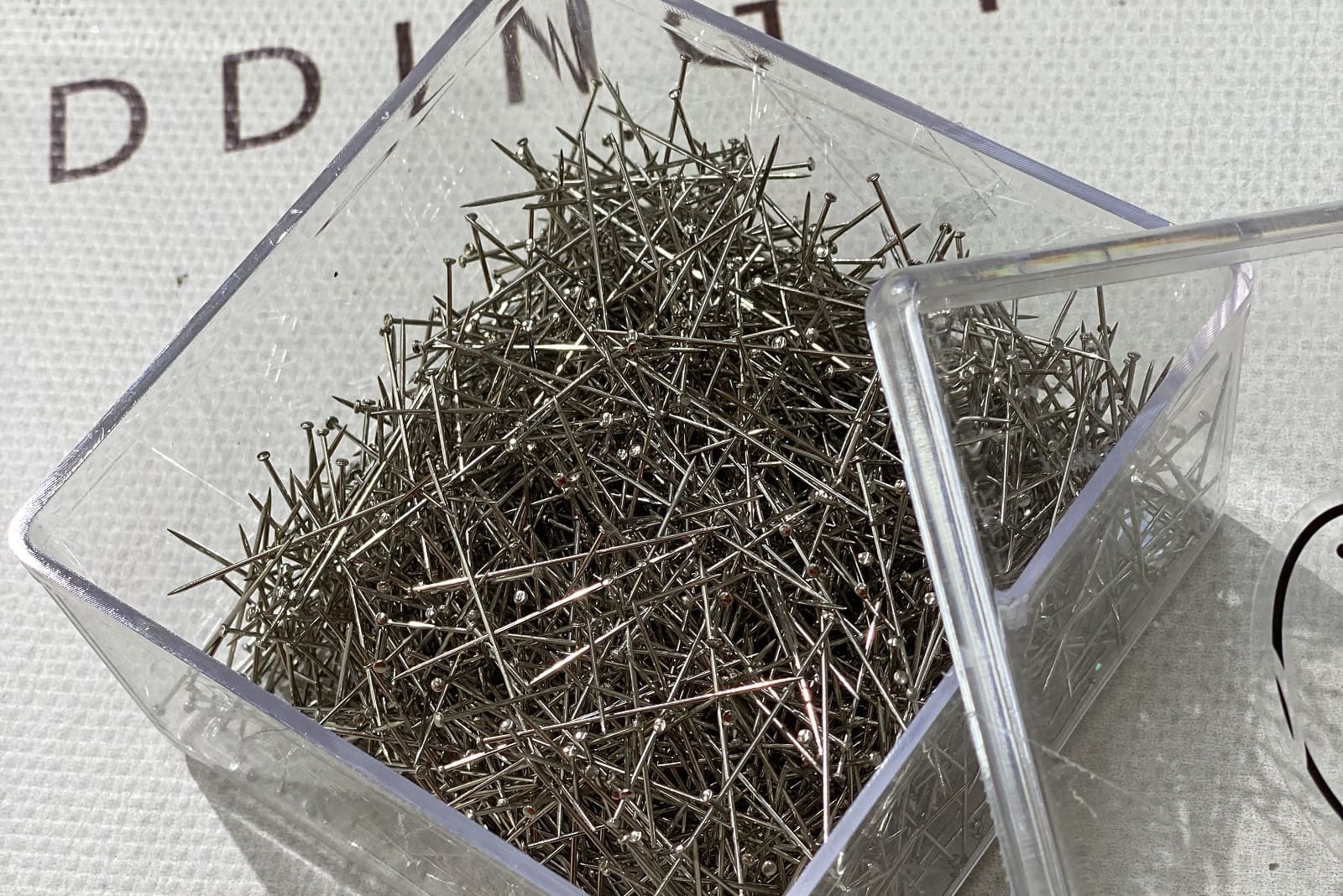
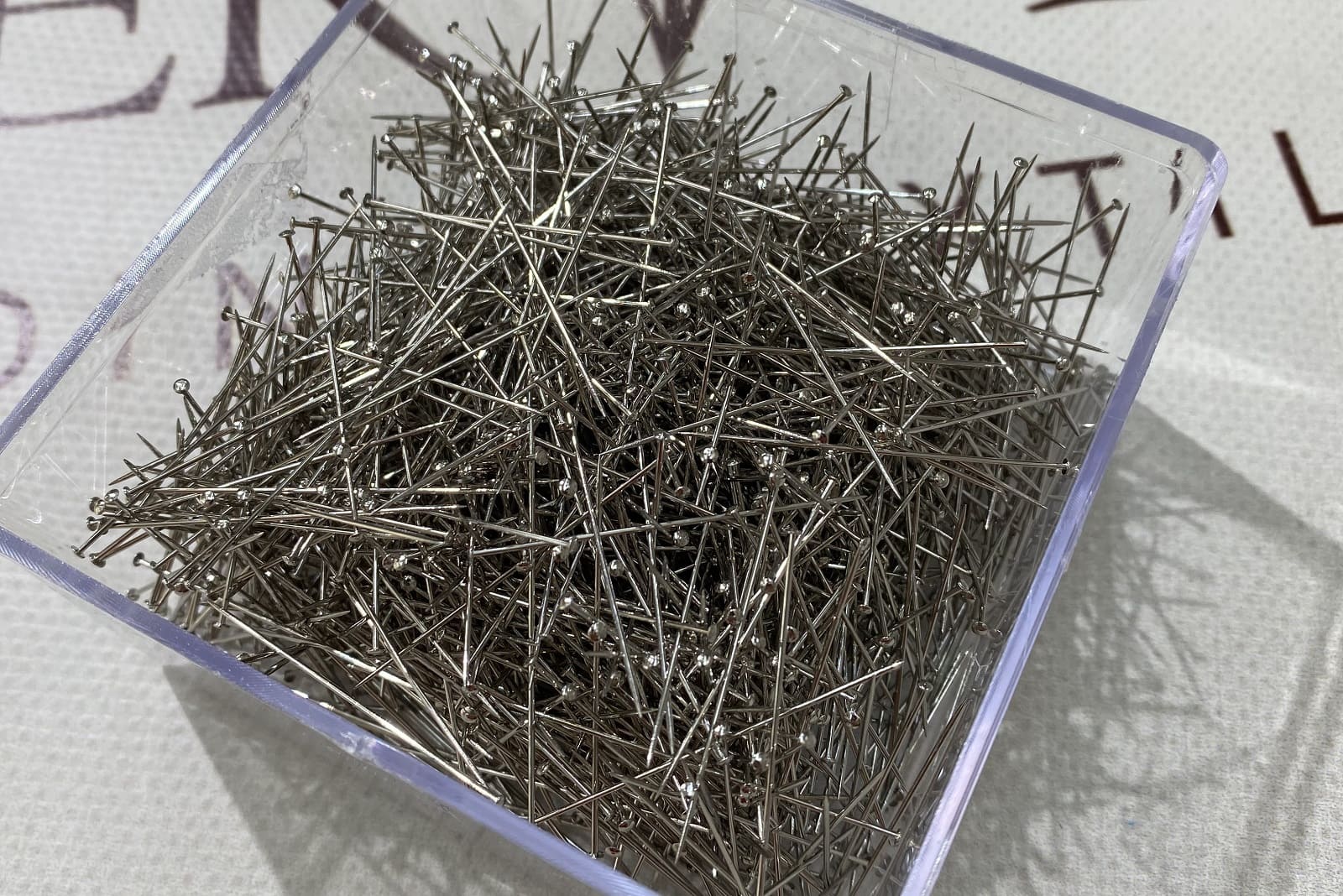
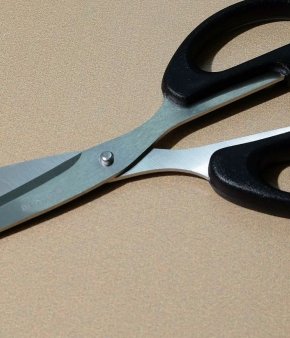
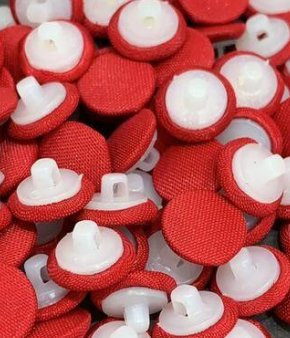
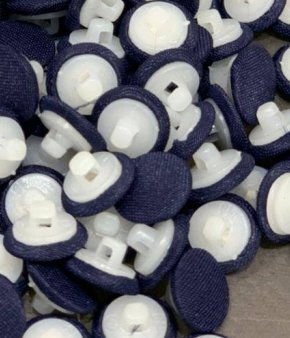
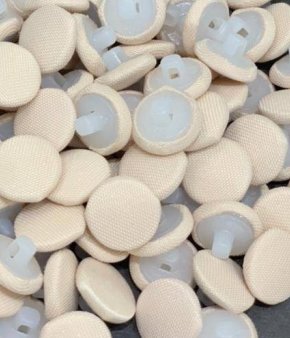
Sewing pins help to keep the fabric in place so that it does not shift or crease during sewing.
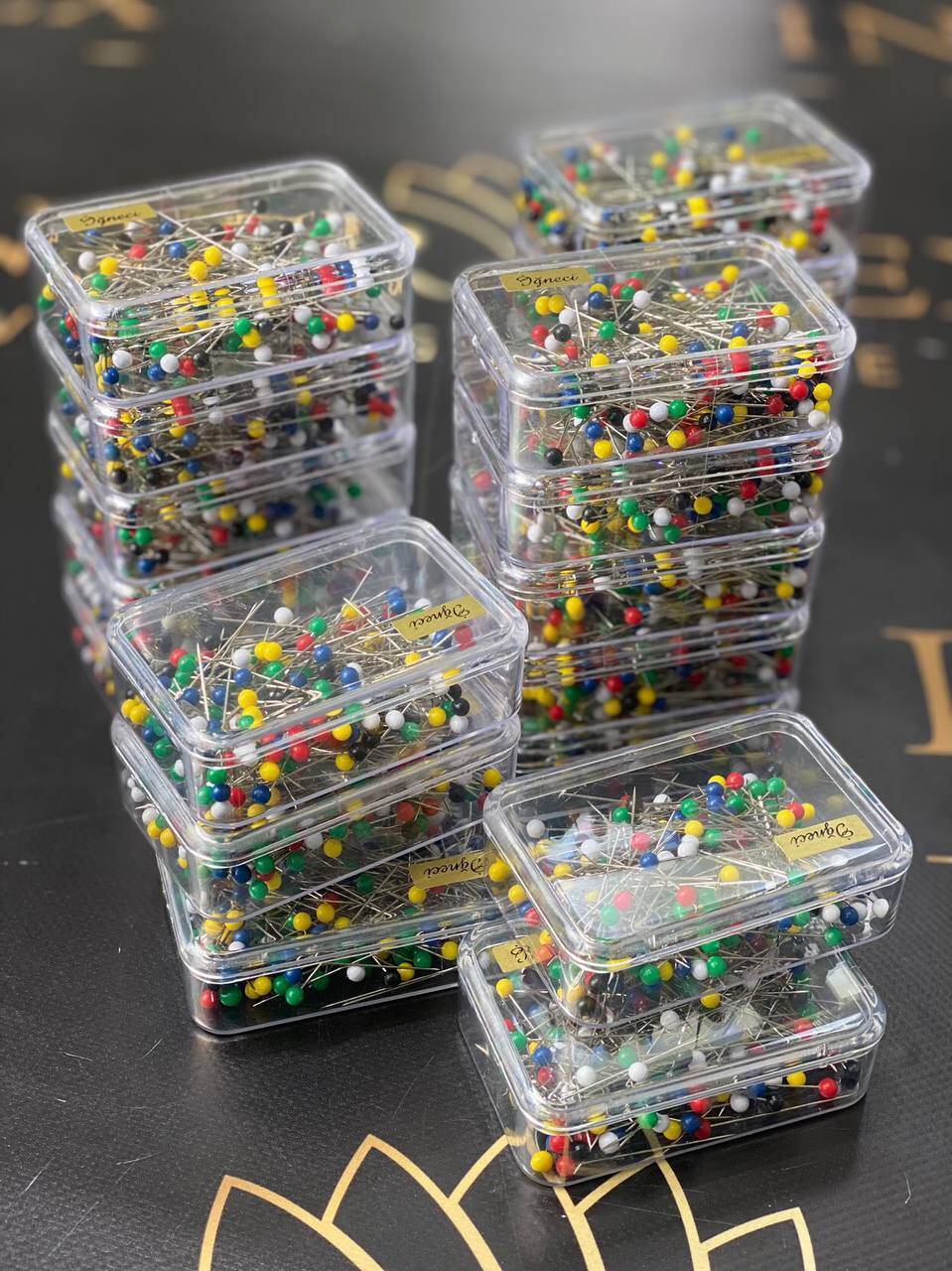
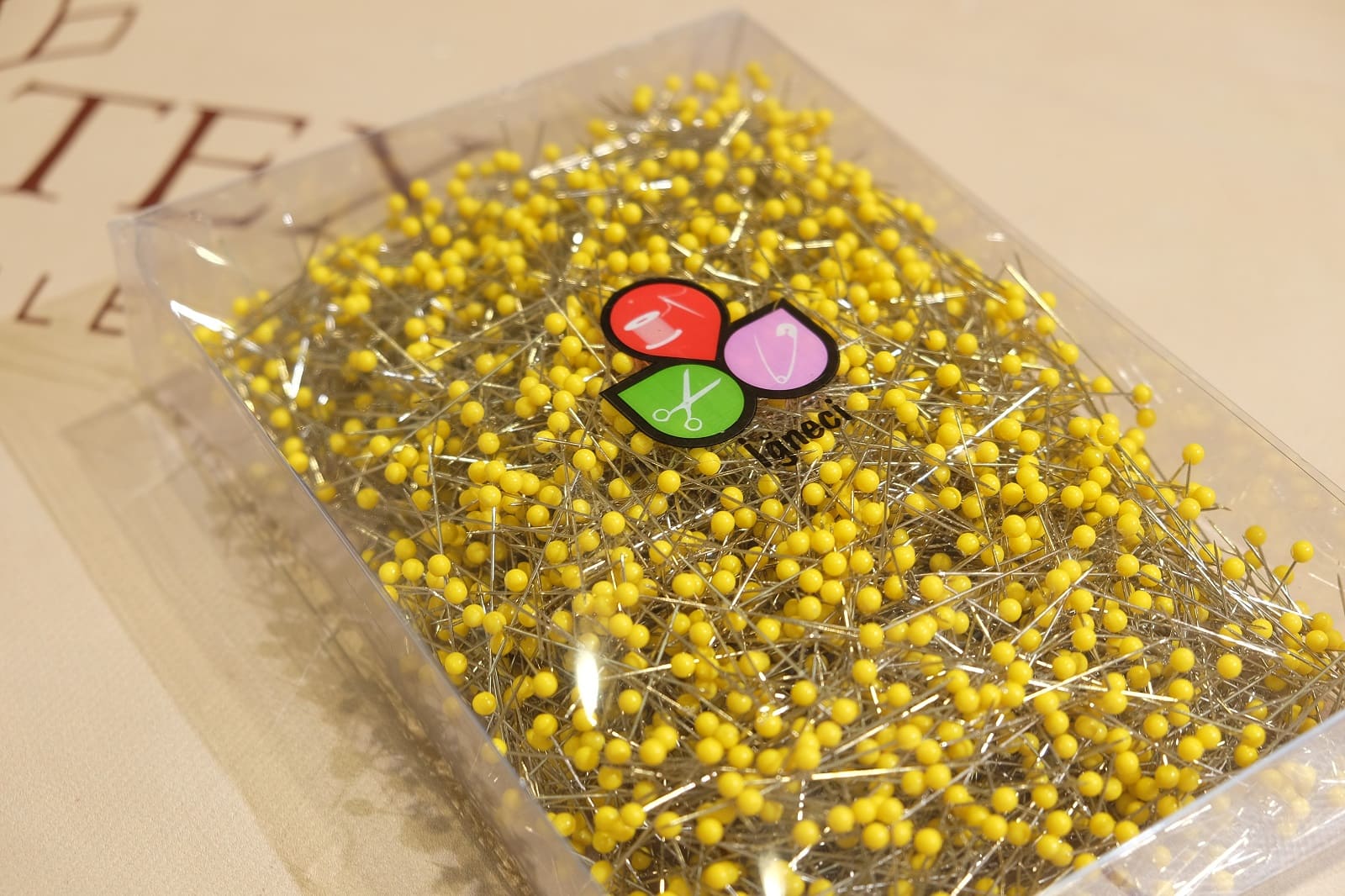
Sewing pins are available in different shapes, sizes and colours. Some pins have a spherical head for easy grip and extraction, others have a flat head that does not create unnecessary bulk when sewing.
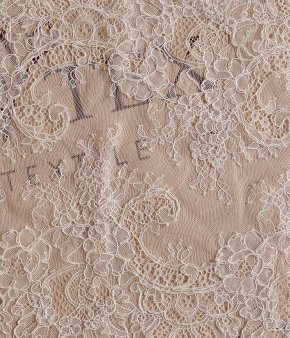
When choosing sewing pins it is important to consider their size, thickness, strength and sharpness. Some fabrics, such as silk or lace, can be damaged if too sharp or thick pins are used. You also need to ensure that the pins are strong enough and secure enough not to slip out of the fabric during sewing.
Advice for caring for your clothes pins:
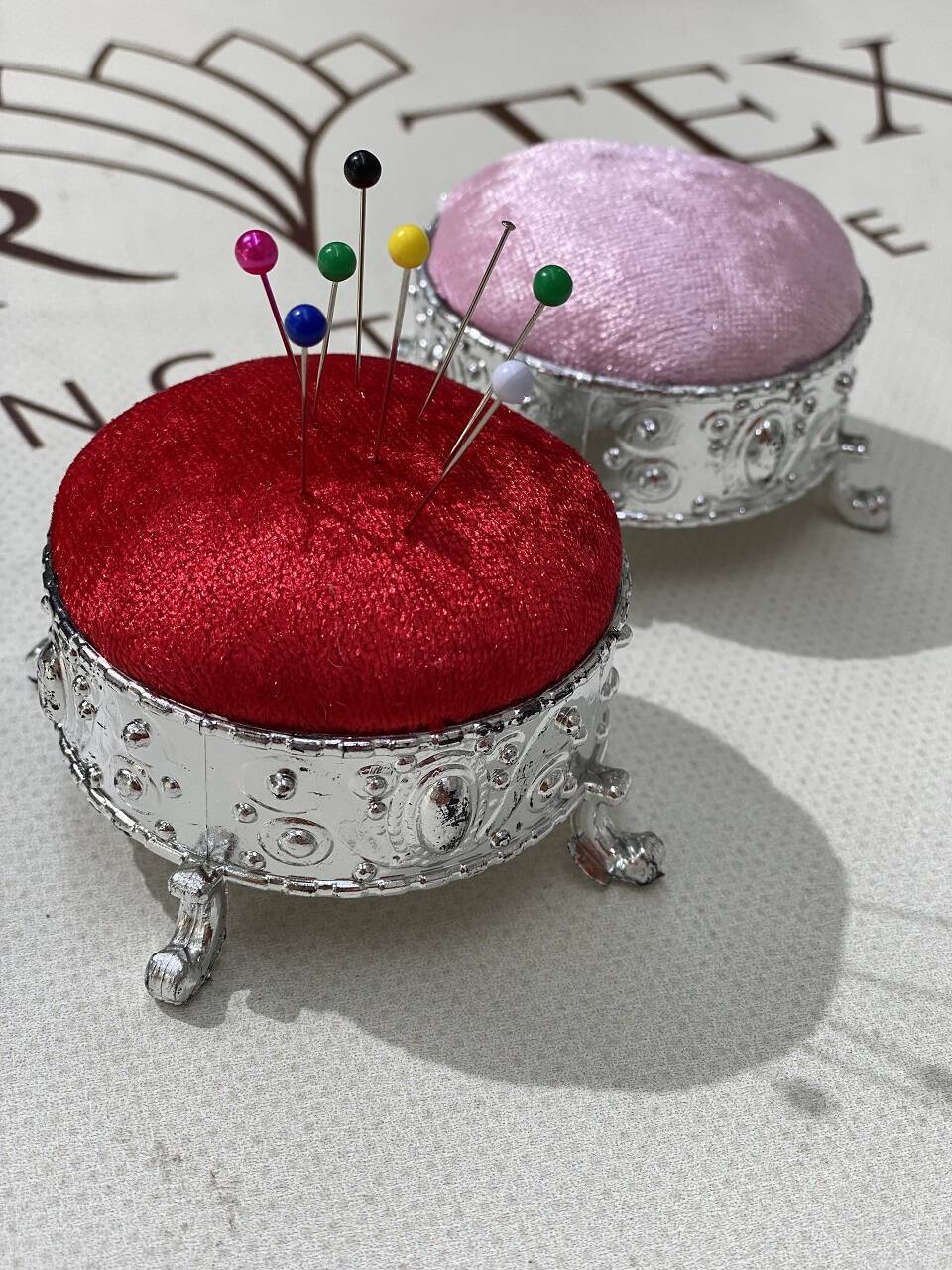
- To tidy up your pins, arrange them by diameter and number and then prick them onto pads of different colours.
- Discard any crooked, bent, rusted or shabby pins at once so that they don't get caught in the work and spoil the fabric.
- Store the pins in a dry, ventilated area.
Precautions:
- Never use crooked or rusty pins in your work - they can ruin fabric.
- Do not sew with pins chipped onto the machine - not only can it scratch the needle plate and damage the needle, it can also be dangerous as the metal surface can cause the needle to sharply bang against the machine needle and break into small pieces. tionally with a metal surface may break into tiny pieces and the pieces may break apart.
- Do not store pins in damp areas for long periods of time, as the tool could corrode.
- Do not throw pins around; they can prick you or allow the sharp tip to break off and become embedded in your skin.
- Keep pins and other sharp tools out of the reach of children.