• UA
  • RU
  • RO
  • EN
+38 (050) 337-00-77
+38 (067) 336-00-77 +39 029475 32 52 +4 031630 22 87
  • Accessories
  • Guipure
  • Lace
  • Lace fabric
  • Macrame
  • Belts
  • Fabrics
  • Chantilly lace
  • Applications
  • Blog
  • Contacts
  • Partners
  • Sales
  • Scholarship
  • Contacts
  • Partners
  • Sales
  • Discounts
  • Scholarship
Mon–Fri: 09:00–18:00, Sat–Sun: closed
Inter Tex
  • UA
  • RU
  • RO
  • EN
+38 (050) 337-00-77
+38 (067) 336-00-77 +39 029475 32 52 +4 031630 22 87
Favorite 0 items
Login to see personal prices
  • Notions
  • Discounted Wedding Fabrics
  • Sales
  • Guipure Lace
  • Lace Trim
  • Lace Fabric
  • Plain Appliqués
  • Belts
  • Fabrics
  • Chantilly
  • Appliqués
Catalog
  • Home /
  • Blog /
  • How to Bleach Clothes Safely at Home: 5 Methods 2026

How to Bleach Clothes Safely at Home: 5 Methods 2026

22 April 2026
Full guide⏱ 8 min read Updated 2026 Fabric care
IT
Author: Inter Tex Team
Updated: April 22, 2026 11 200 views 72 comments
In 30 seconds

Whitening at home — the essentials

Whites dull because of sweat, UV, wrong wash cycles, and hard water. 6 safer methods: baking soda + simmer, hydrogen peroxide, lemon juice, white vinegar, ammonia + salt, aspirin. Chlorine bleach — only as a last resort, never on delicates. Golden rule: each fabric (satin, silk, linen, cotton, chiffon, nylon) needs its own approach. Guess wrong — and you ruin the garment.

White garments lose their freshness faster than anything else in the wardrobe — everyone knows that. But careless use of aggressive chlorine “bleach” can destroy fibres in just 3–5 washes: the fabric turns yellow, gets thin, and tears when ironed. In this guide you will find 6 gentle home methods that actually work, plus clear rules for 8 fabric types — from satin and silk to cotton and nylon. These methods are suitable for regular use when you follow the temperature and timing instructions.

6
gentle methods
8
fabrics covered
25+
years Inter Tex

Why whites turn grey or yellow

Quick answer

Fibres dull because of a mix of sweat and skin oils, UV light, hard water with minerals, wrong wash temperature, washing whites together with dark items, and long storage in airtight wardrobes without ventilation. Knowing the cause helps you pick the right fix.

6 safer home whitening methods

1. Baking soda + simmer (cotton and linen only)

Classic recipe: 5 tbsp baking soda per 5 litres of water. Soak the white item for 6–8 hours, then simmer gently for 30 minutes on low heat. Rinse and wash as usual. Works only on cotton and linen — synthetics and delicates cannot take boiling or prolonged heat.

2. Hydrogen peroxide (the versatile option)

3 tbsp of 3% hydrogen peroxide in 5 litres of warm water (about 40 °C). Soak for 1 hour, then wash. Safe for most cotton, linen, and synthetics. Avoid silk and wool.

3. Lemon juice (mild and fresh-smelling)

Juice of 2 lemons in 5 litres of warm water. Soak for 1–2 hours. Especially good for yellowing on cotton. Bonus: a natural citrus scent. Do not use on coloured items — citric acid can lift dye.

4. White vinegar (for grey dullness)

1 cup of white vinegar in 5 litres of warm water. Soak for 30–60 minutes. Helps with grey cast and soap/mineral build-up. Suitable for cotton, linen, and synthetics. Gentle and inexpensive.

5. Ammonia + salt (for underarm sweat stains)

5 tbsp salt + 2 tbsp household ammonia in 5 litres of water. Soak for 2 hours in a well-ventilated room (the smell is strong). One of the most effective combinations for yellow sweat marks.

6. Aspirin (quick brightening)

5 aspirin tablets in 5 litres of warm water. Crush, dissolve, soak overnight. Salicylic acid helps lift yellow tones — great for T-shirts that have gone cream-coloured.

Inter Tex tip: always patch-test on a hidden area (inside seam or hem). Wait 30 minutes — if the fabric looks unchanged, treat the whole garment.

Whitening rules by fabric type

FabricOK to useAvoid
Cotton / linenSoda + simmer, peroxide, lemon, vinegar, aspirinChlorine above 5% concentration
Satin / duchess satinCold-water peroxide, aspirinBoiling, chlorine, ammonia
SilkLemon juice, very weak peroxide, vinegarChlorine, ammonia, boiling, soda
Chiffon / organzaPeroxide in a mesh bag, vinegarBoiling, chlorine, harsh scrubbing
Nylon / polyesterPeroxide, vinegar, soda in warm waterBoiling (melts from ~130 °C)
WoolProfessional dry clean onlyAll DIY bleach methods
LaceGentle peroxide in a mesh bag, no rubbingBoiling, aggressive friction
Tulle / netsSalt + soda in warm water, bluing rinseChlorine (often turns more yellow)

Chlorine is the last resort: household bleach above 5% can wreck fibres in 3–5 uses — the fabric gets thin and tears under the iron. In 90% of cases, gentler methods are enough.

How to keep whites white for longer

  1. Wash whites separately — even one dark sock can grey a whole white load.
  2. Do not leave items damp for hours — that encourages odour and yellowing.
  3. Line-dry in sunlight when the fibre allows it — UV naturally brightens cotton. Not for silk or prints!
  4. Store in breathable garment bags, not sealed plastic — plastic storage often yellows whites within 6–12 months.
  5. Every two months, run a mild maintenance soak — it keeps brightness steady.

Planning a crisp white or ivory gown?

Inter Tex stocks satin, chiffon, and lace in pure white and ivory. Wholesale from 5 metres.

Browse fabrics →

Common whitening mistakes

  • Boiling synthetics — nylon, polyester, and chiffon can melt or distort above ~130 °C.
  • Chlorine on silk or lace — breaks fibres almost instantly.
  • Hot water on protein fibres (silk, wool) — yellowing and permanent distortion.
  • Scrubbing lace or chiffon — causes pulls and holes.
  • Ironing before the stain is fully rinsed — sets the mark permanently.

When in doubt: for a wedding dress, couture piece, or heavy lace, skip experiments. A professional clean (often USD 15–40) is cheaper than ruining a garment worth hundreds or thousands.
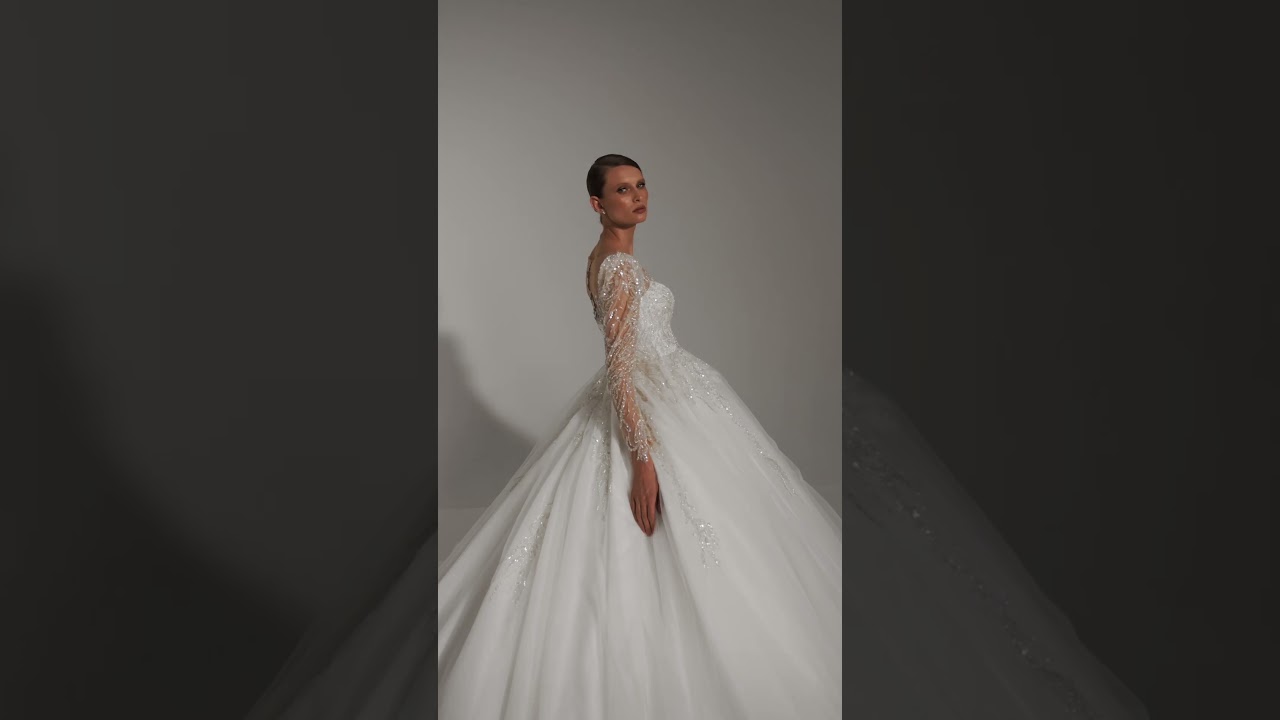
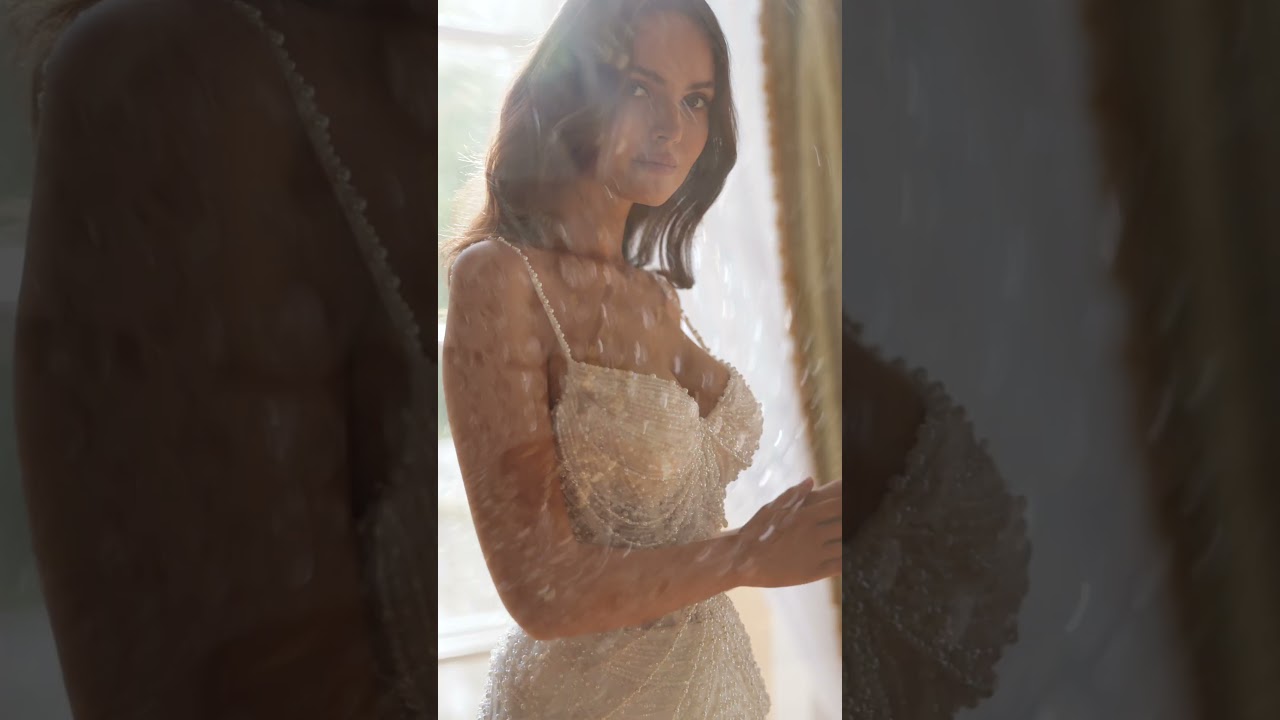
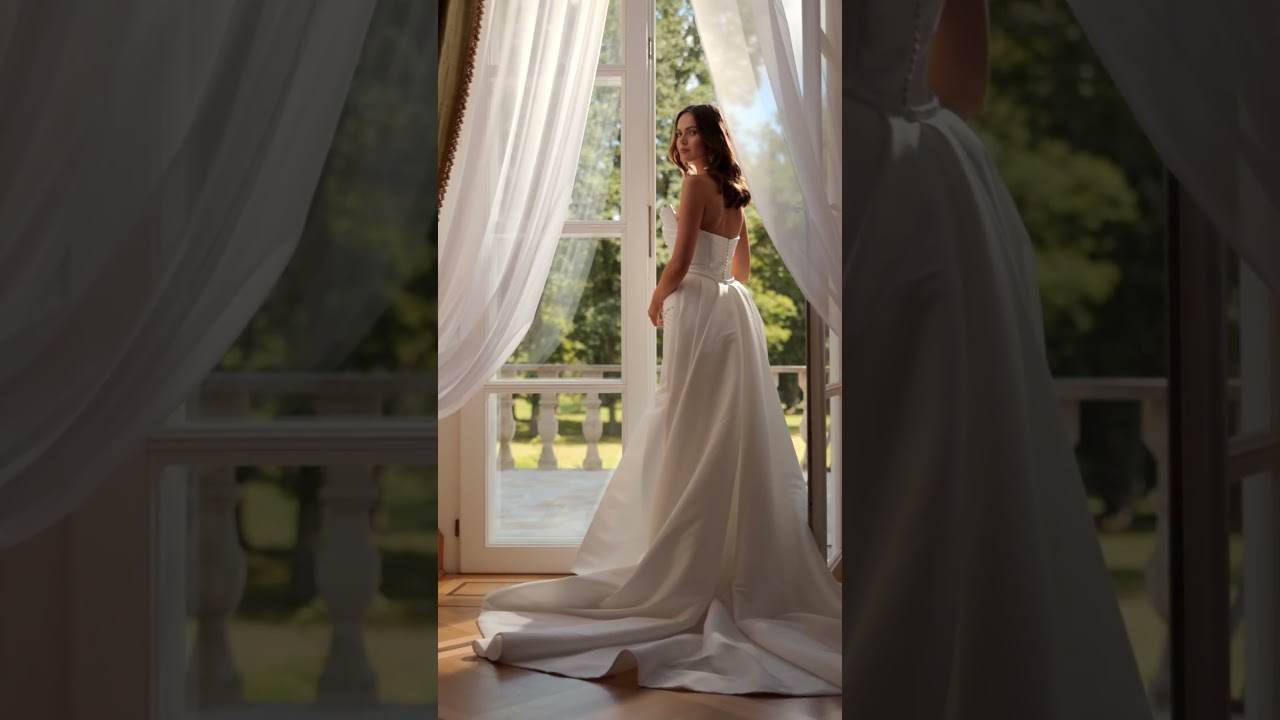
How this fabric looks in real wedding dresses

Examples from Inter Tex bridal collections — AVA and Adóra:

AVA dress — Inter Tex
AVA dress
Sculptural A-line from our fabric
Adóra 2601 dress — Inter Tex
Adóra · 2601
Guipure corset + mikado skirt
Adóra 2602 dress — Inter Tex
Adóra · 2602
Dress with elegant train

Watch: TM Inter Tex fabric collections

White and ivory fabrics at Inter Tex

Tap a card for details:

Code 306872
Code 306872
Code 380285
Code 380285
Code 377964
Code 377964
Code 380292
Code 380292

Shop fabrics at Inter Tex

Wholesale and retail. Shipping across Ukraine, Moldova, Poland, Romania, and the EU. Showrooms in Chernivtsi.

Fabrics Lace Appliqués Macramé

Frequently asked questions

The most popular questions from brides and ateliers — answered by Inter Tex experts:

How can I whiten laundry at home without chlorine?
Use one of six gentler options: baking soda with a controlled simmer for cotton and linen; 3% hydrogen peroxide as a versatile soak; lemon juice for mild brightening; white vinegar for grey dullness; ammonia plus salt for stubborn sweat stains; aspirin dissolved in warm water for quick T-shirt refresh. Always match the method to the fibre content on the label.
Can I boil synthetic fabrics?
No. Nylon, polyester, acrylic, and many chiffons soften or melt when overheated. Boiling is reserved for sturdy natural cellulosics such as cotton and linen. For synthetics, keep water at or below 40 °C and prefer peroxide or vinegar soaks instead.
What is the safest way to brighten silk?
Stick to cold-water soaks with lemon juice or a very weak peroxide solution (about 1 tablespoon per 5 litres). Never use chlorine, ammonia, or boiling water. When the piece is valuable, professional wet-cleaning or dry-cleaning is the safer choice.
Why do stored whites turn yellow?
Oxidation in poorly ventilated storage, detergent residue, plastic garment bags, humidity, and heat all accelerate yellowing. Store whites in breathable covers, fully dry, with silica gel in humid climates if needed.
How do I whiten lace or tulle curtains?
Place lace in a mesh laundry bag, soak with mild peroxide in lukewarm water, and avoid scrubbing. For sheer tulle, a balanced salt-and-soda soak or a specialist curtain whitener without chlorine often works best — chlorine frequently worsens yellowing on synthetics.

Read also

Organza Fabric: Lightness and Transparency for Airy Wedding Gowns
Fabrics · Organza

Organza: care and styling

Satin Skirt: How to Style It — 12 Outfit Ideas
Style · Satin skirt

Satin skirt: how to style it

Soft Fabric: Complete Guide — Types, Properties, Where to Buy
Fabrics · Soft

Soft fabric: properties and uses

Share this article: Facebook Pinterest Twitter WhatsApp Email
Share:
X
Articole similare
Most Popular Wedding Dress Fabrics in 2026: Atelier Guide
Glitter Fabric 2026: Types, Sewing Tips & Wholesale Prices
Stone Appliqués on a Dress: Complete Guide 2026
Polyester Fabric 2026: Complete Guide — Pros, Cons, Myths
Want to be the first to know?
Subscribe to our newsletter — get the latest deals and arrivals first.
WhatsApp
Inter Tex
  • About company
  • FAQ
  • Payment & Delivery
  • Blog
  • Drawing up of an order
  • Wholesale cooperation
  • Contacts
  • Site Map
Mastercard Visa
+38(050)-337-00-77
+38(068)-336-00-77
+38(050)-337-00-77
+38(067)-336-00-77
0661418500
info@intertex-fabric.com
2026 © Inter Tex
  • Public Offer
  • Privacy Policy
Site Map

Added to cart

Show cart Continue shopping