This guide walks you through everything: initial investment, essential equipment, finding reliable fabric suppliers, pricing your dresses correctly, and marketing your atelier in 2026's competitive landscape. Whether you're a trained seamstress ready to go independent or an entrepreneur entering the bridal market, this is your roadmap.
Why Bridal Is One of the Strongest Niches in Fashion
Before the numbers: why bridal specifically?
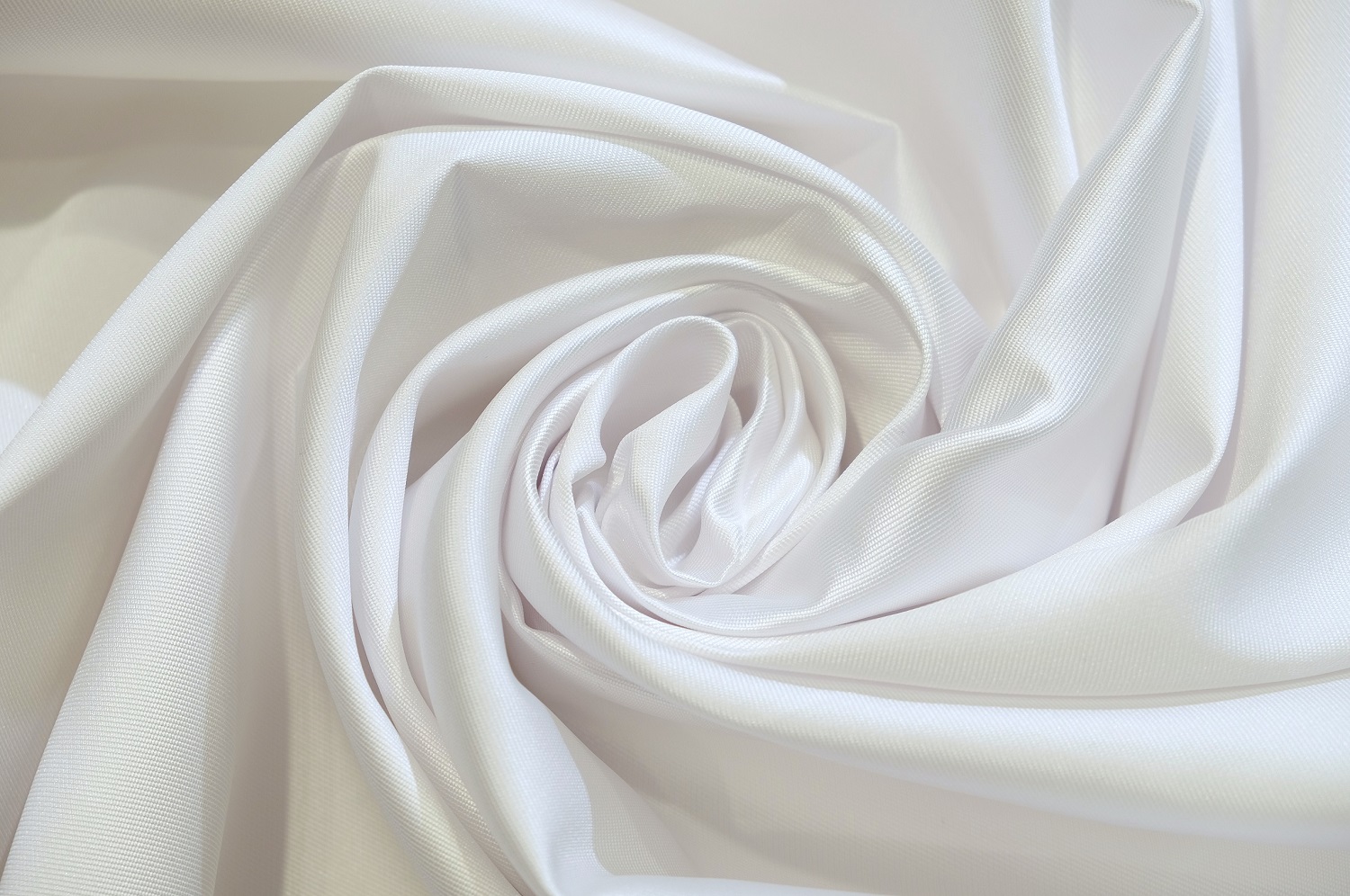
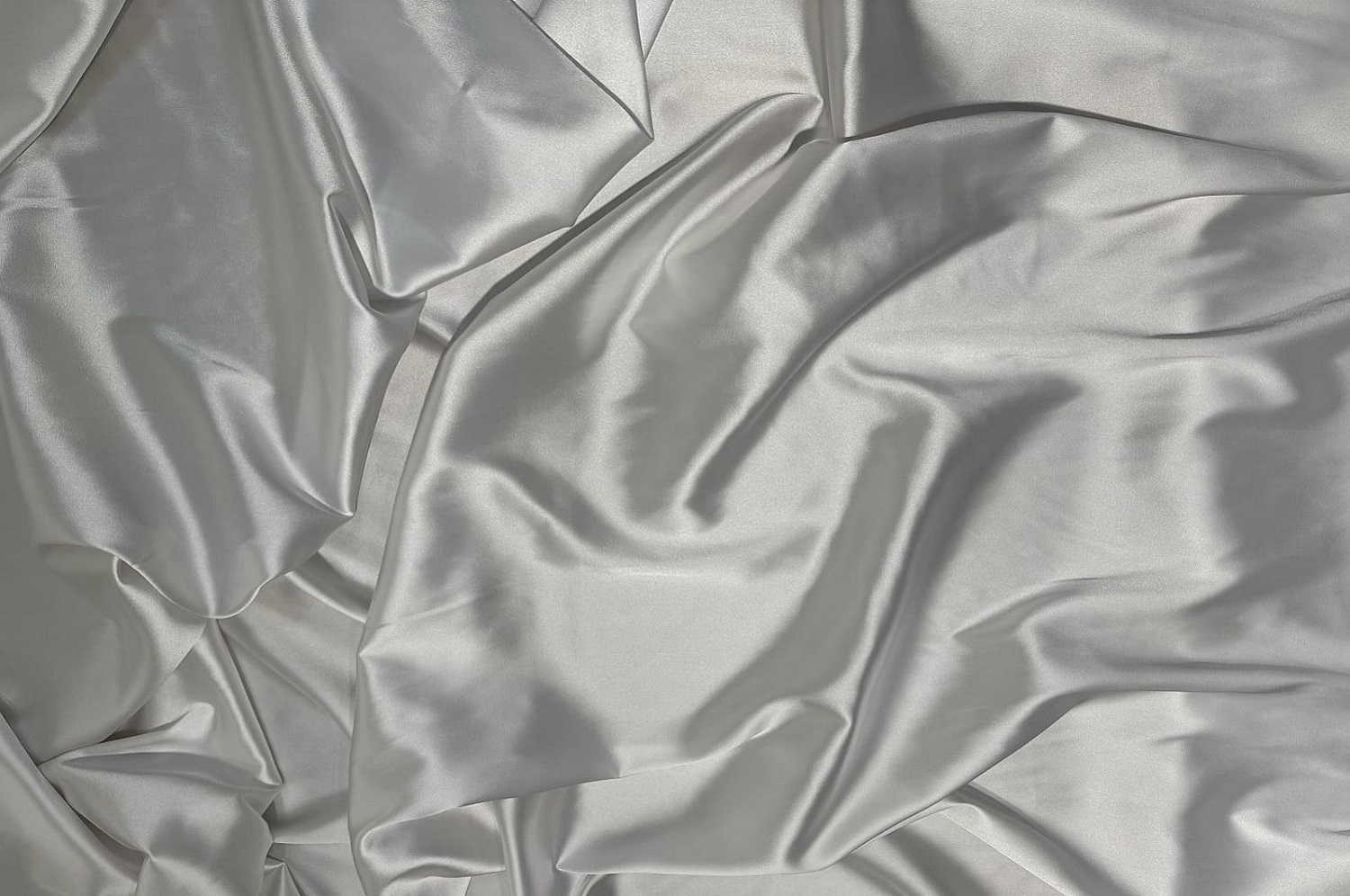
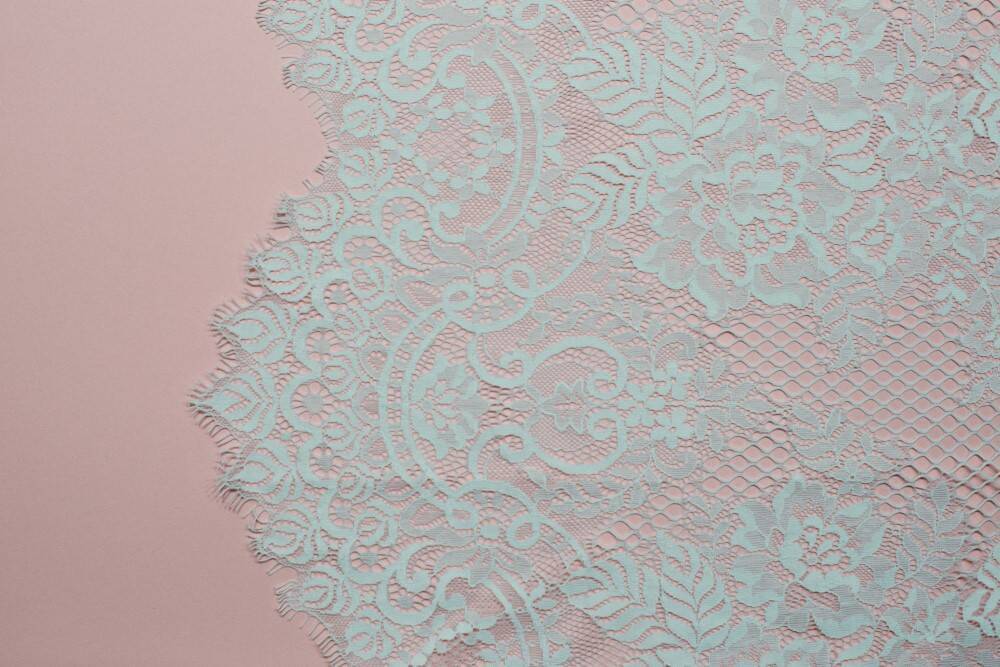
Start with the goal of the model, then choose the base fabric, sheer layer, lace or decoration, and test the set on a sample. This gives an atelier a working system, not a random fabric list.
- Recession-resistant demand — weddings happen in every economic cycle. The volume may fluctuate by 10-15%, but it never disappears
- High average order value — brides spend $500–$5,000+ on a single dress, yielding much higher margins than everyday fashion
- Word-of-mouth dominates — one happy bride at a wedding creates 5-10 potential leads for your atelier through photos and conversations
- Premium positioning is achievable — unlike fast fashion, quality craftsmanship is genuinely valued and priced accordingly in bridal
- International B2B market — Europe's bridal ateliers are increasingly sourcing directly from Eastern European manufacturers for Italian-quality fabrics at better prices
Initial Investment: What Does it Really Cost?
Starting costs vary dramatically based on location, scale, and target segment. Here's a realistic breakdown:
Micro-atelier (home-based, 1-2 persons)
| Category | Cost estimate |
|---|---|
| Industrial sewing machines (2-3 units) | $1,500 – $4,000 |
| Overlocker + cover stitch machine | $600 – $1,500 |
| Pressing equipment (iron, steam press) | $300 – $800 |
| Initial fabric stock and notions | $1,000 – $3,000 |
| Dress forms (2-3 sizes) | $300 – $700 |
| Photography for portfolio/social media | $500 – $1,500 |
| Legal/business registration | $200 – $500 |
| Total | $4,400 – $12,000 |
Small studio (dedicated space, 3-5 persons)
Add: rent deposit (3 months, $500–$2,000/month depending on city), fitting room setup ($1,000–$3,000), additional machines, signage, website. Total range: $15,000 – $40,000.
Essential Equipment for a Bridal Atelier
Sewing Machines
Bridal fabrics — especially lace, organza, and chiffon — require specific machine capabilities:
- Lockstitch (straight/zigzag): Juki TL-2010Q or Bernina 770QE — handles delicate fabrics without puckering
- Overlocker (serger): for clean seam finishing. Juki MO-6800S recommended
- Blind hem machine: for invisible hemming on skirts and trains
- Embroidery machine (optional): for monogramming, simple custom embroidery
The Pressing Station
Professional pressing makes the difference between an amateur and professional finish. Essential:
- Industrial steam iron (1800W minimum)
- Sleeve board and specialty press pads (for curved seams)
- Tailor's ham
- Puff iron stand for delicate fabrics
Finding the Right Fabric Supplier
The quality of your fabrics determines the quality ceiling of your dresses. This is the single most important business relationship you will build.
What to Look for in a Wholesale Bridal Fabric Supplier
- Consistent quality — the same fabric ordered 3 months apart should be identical in hand feel, colour, and weight
- Genuine Italian or premium European origin — Italian Chantilly lace, French chiffon, and Spanish guipure have quality standards that Asian alternatives cannot replicate for bridal couture
- Minimum order flexibility — for a small atelier, you need suppliers who can sell from 5-10 meters, not 100-meter minimum cuts
- Samples availability — any reputable supplier sends samples before your first order
- Reliable delivery — for bridal, 6-8 weeks lead time is standard. Knowing your supplier's real delivery time prevents missed wedding deadlines
Inter Tex as Your B2B Fabric Partner
Inter Tex sources premium bridal fabrics directly from Italian and European manufacturers, offering:
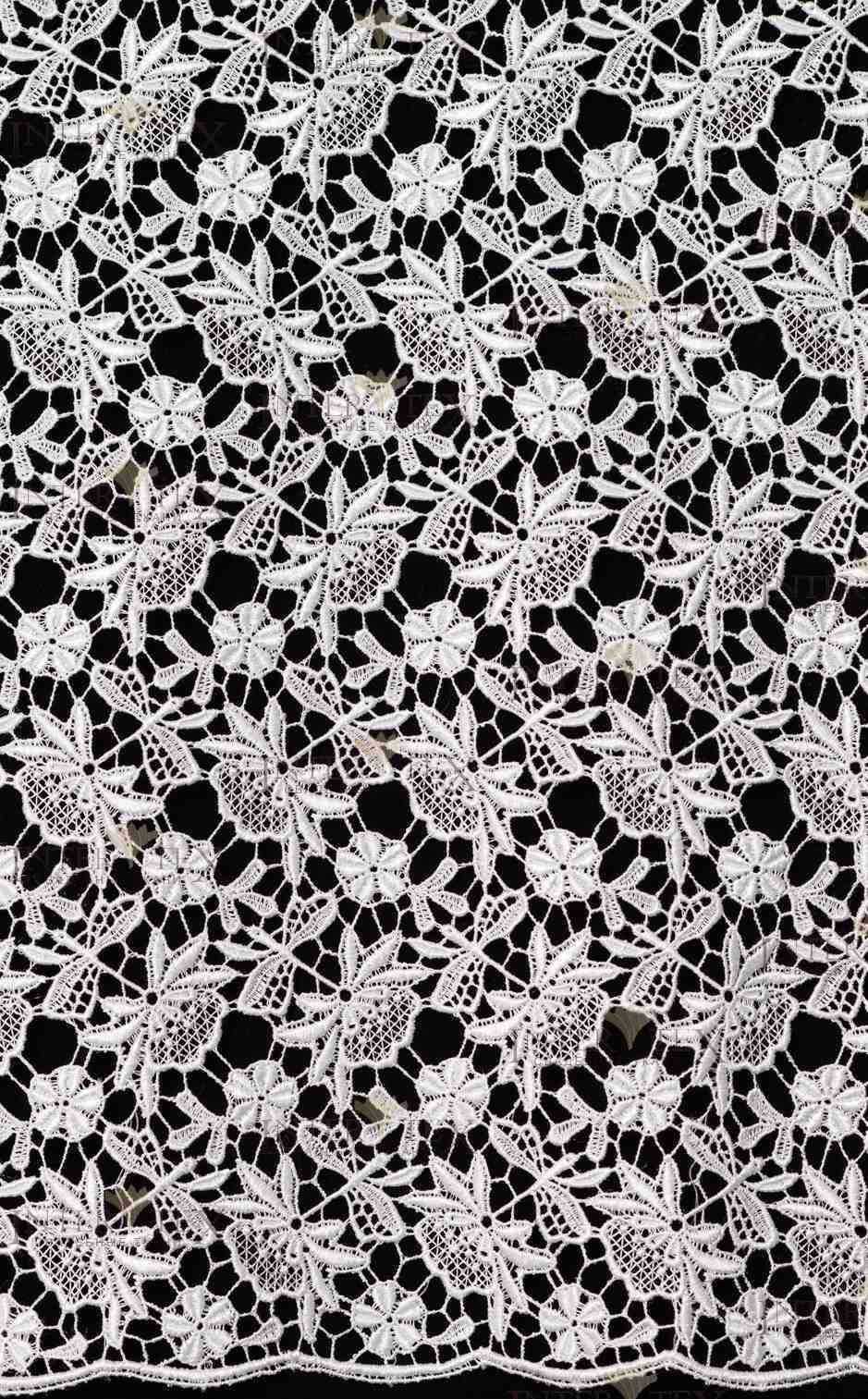
- Certified Italian Chantilly lace, guipure, and broderie anglaise
- Wholesale pricing accessible from 10 meters per colour
- Free samples for first-time clients
- Consistent colour ranges across collections (critical for multi-dress orders)
- Shipping to all EU countries, Romania, Moldova, and beyond
Visit our wedding dress fabrics catalogue or contact us directly for your wholesale inquiry.
Pricing Your Dresses: The Real Numbers
Pricing is where most new ateliers make critical mistakes — either undercharging (unsustainable) or overcharging relative to their brand positioning (no clients).
Cost-based pricing formula
Base price = (Material cost × 3) + (Labour hours × hourly rate) + Fixed costs per dress
Example for a mid-range wedding dress:
- Material: $180 (8m Chantilly + 5m tulle + corset materials)
- Labour: 40 hours × $20/h = $800
- Fixed costs (overhead per dress): $100
- Base: $1,080, selling price with 40% margin: $1,800
Market segment benchmarks (2026)
| Segment | Price range | What brides expect |
|---|---|---|
| Budget | $400 – $900 | Simple design, mid-quality fabric, fast turnaround |
| Mid-range | $900 – $2,500 | Custom design, quality lace, full fitting service |
| Premium | $2,500 – $6,000 | Italian fabrics, embellishments, exclusive design |
| Couture/luxury | $6,000+ | Total exclusivity, multi-fitting process, celebrity-level service |
Marketing Your Bridal Atelier in 2026
Instagram and Pinterest: non-negotiable
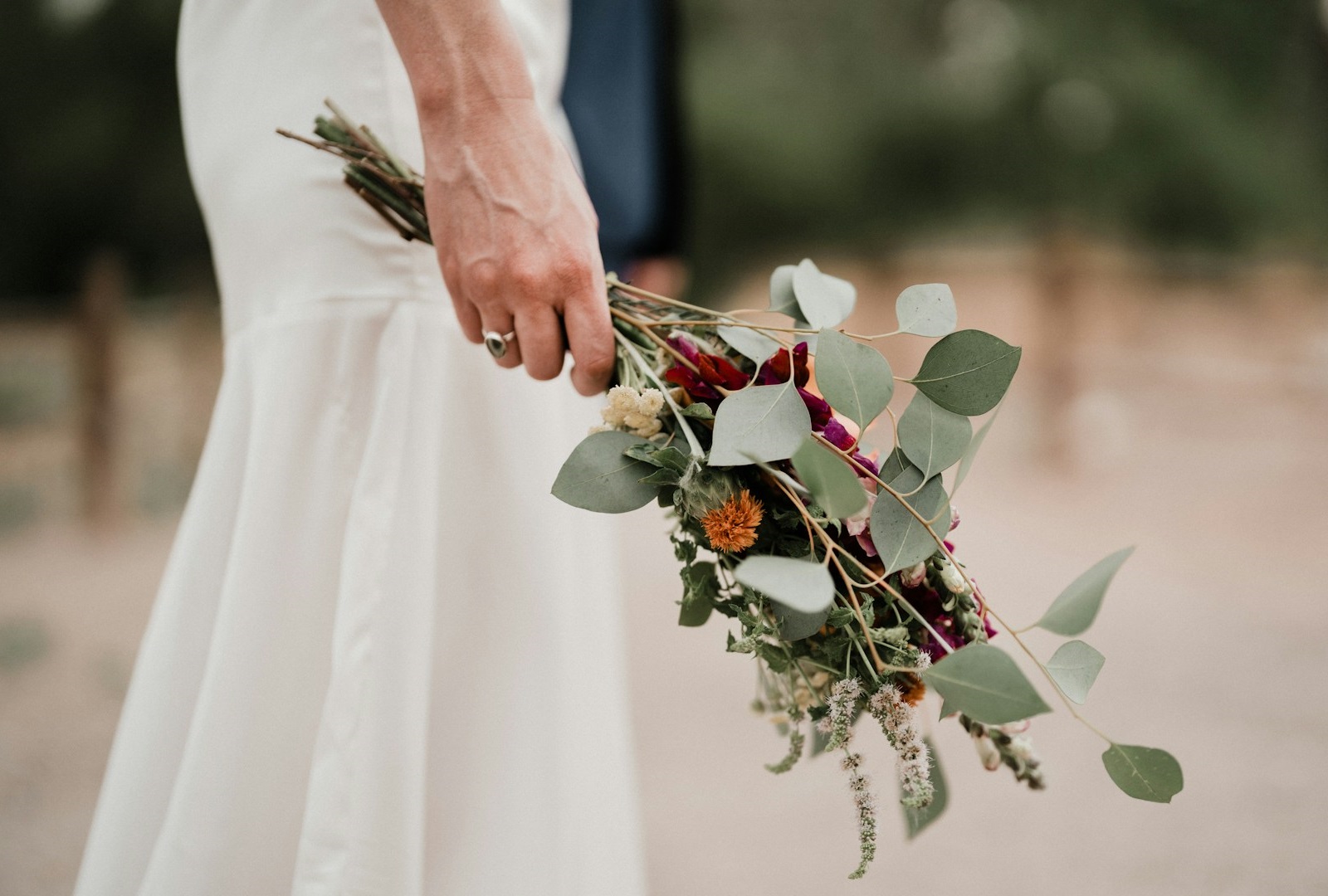
90% of brides begin their dress search on Instagram and Pinterest. Your portfolio photos are your storefront. Invest in one professional photoshoot per season — this content drives 80% of your organic inquiries.
Google My Business
Local brides searching "wedding dress atelier [your city]" will find you through Google. Ensure your GMB profile has:
- Current business hours
- Portfolio photos (updated regularly)
- 5+ genuine reviews (ask happy clients directly)
- Your address visible on Google Maps
Wedding planning platforms
Register on regional wedding platforms (equivalent of WeddingWire, Hitched.co.uk, etc. for your market). These platforms capture brides actively planning weddings — the highest-intent audience.
Bridal fairs
One well-chosen bridal fair per year can generate 20-40 qualified leads. The ROI depends entirely on your presentation — invest in a professional display, bring sample fabric swatches, and have a compelling portfolio album.
Common Mistakes to Avoid
1. Underestimating lead time management
A custom wedding dress takes 4-8 weeks to make, plus fitting appointments. Brides typically book 8-12 months in advance. Missing a deadline is catastrophic for your reputation. Build buffer time into every order.
2. Buying cheap fabrics to increase margins
The dress will look cheap in photos. In the era of Instagram weddings, your dresses are your advertising. Every $50 saved on fabric costs you hundreds in lost referrals from poor photos.
Short takeaway
The goal is a stable combination for the model: base fabric, sheer layer, lace or decoration, and a clear budget.
What to browse in the Inter Tex catalogue
Open the section you need: