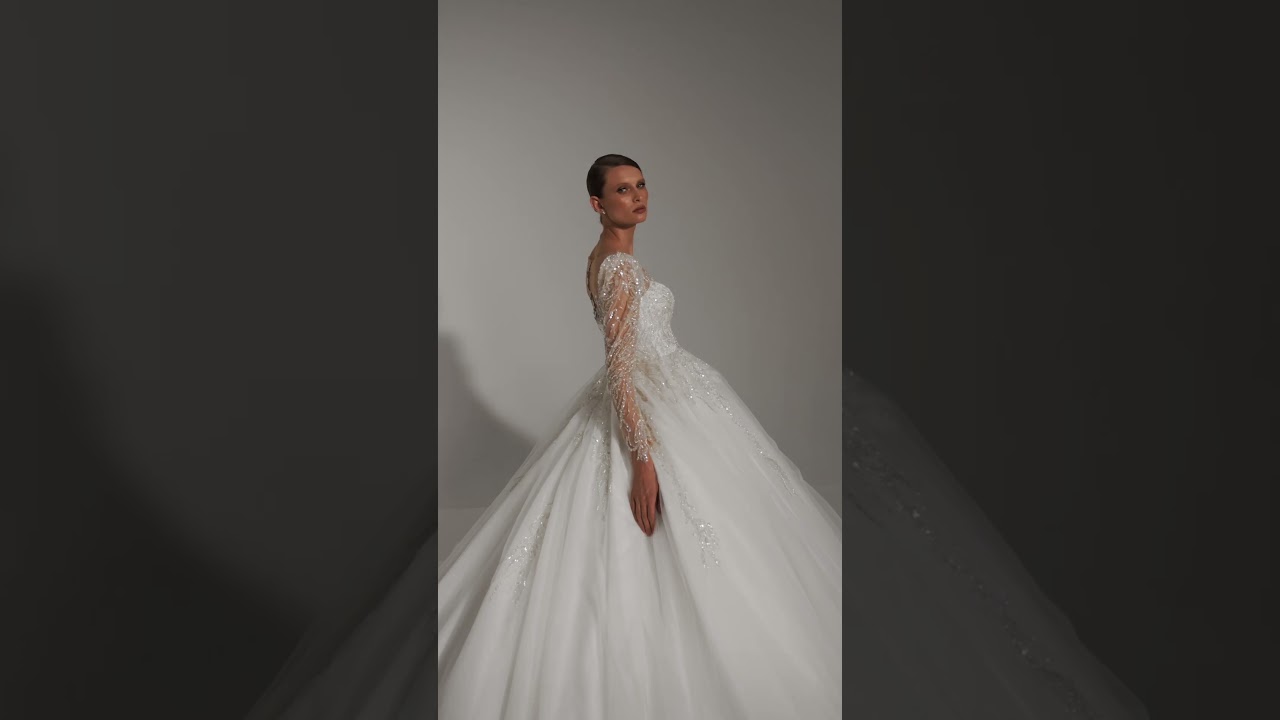
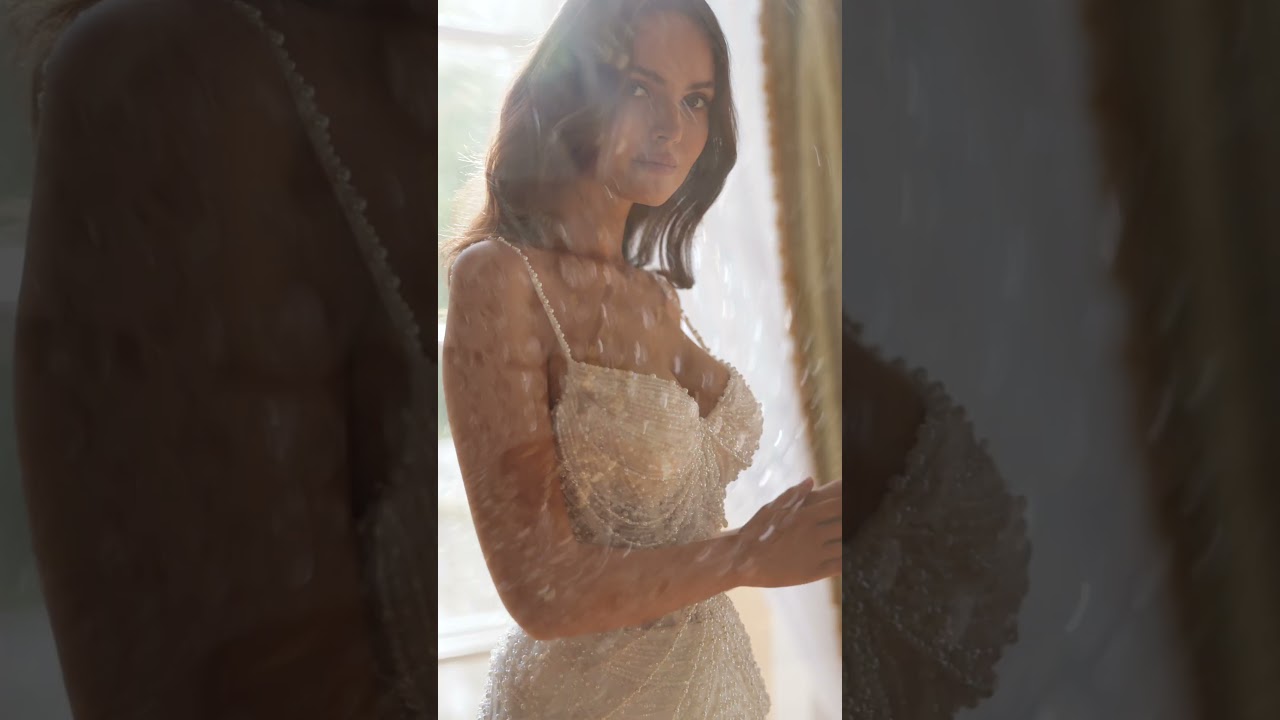
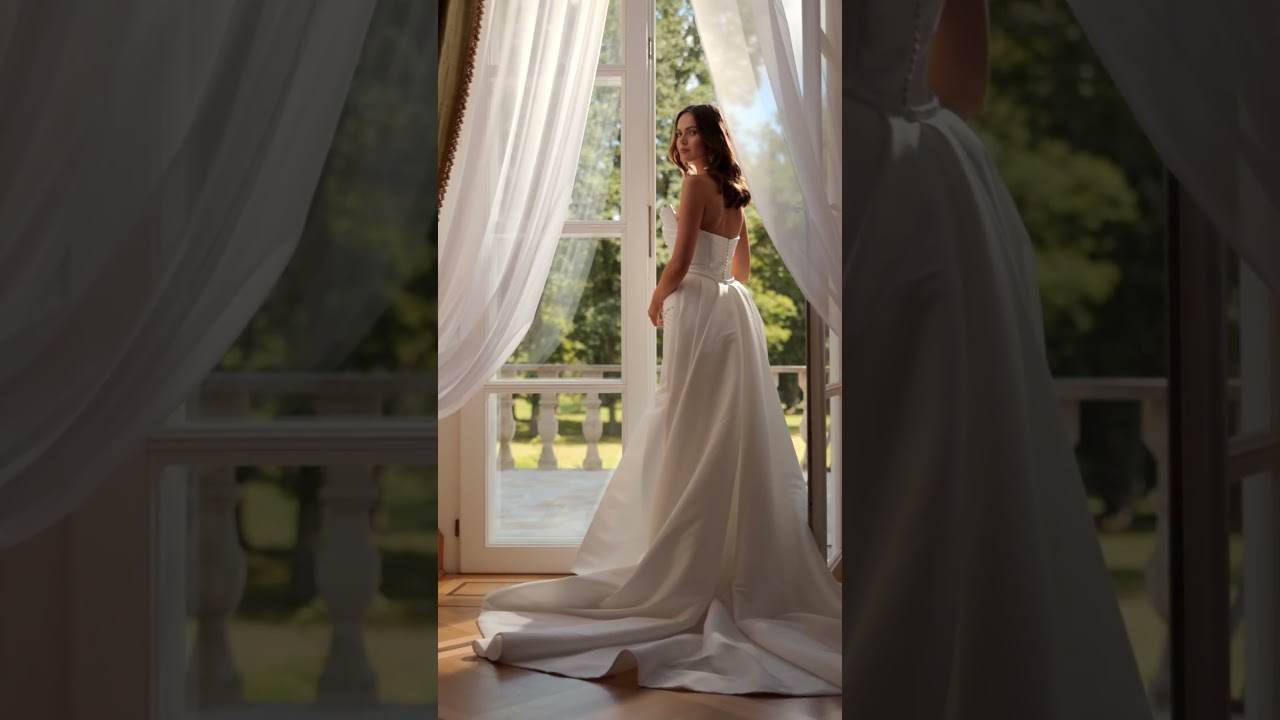
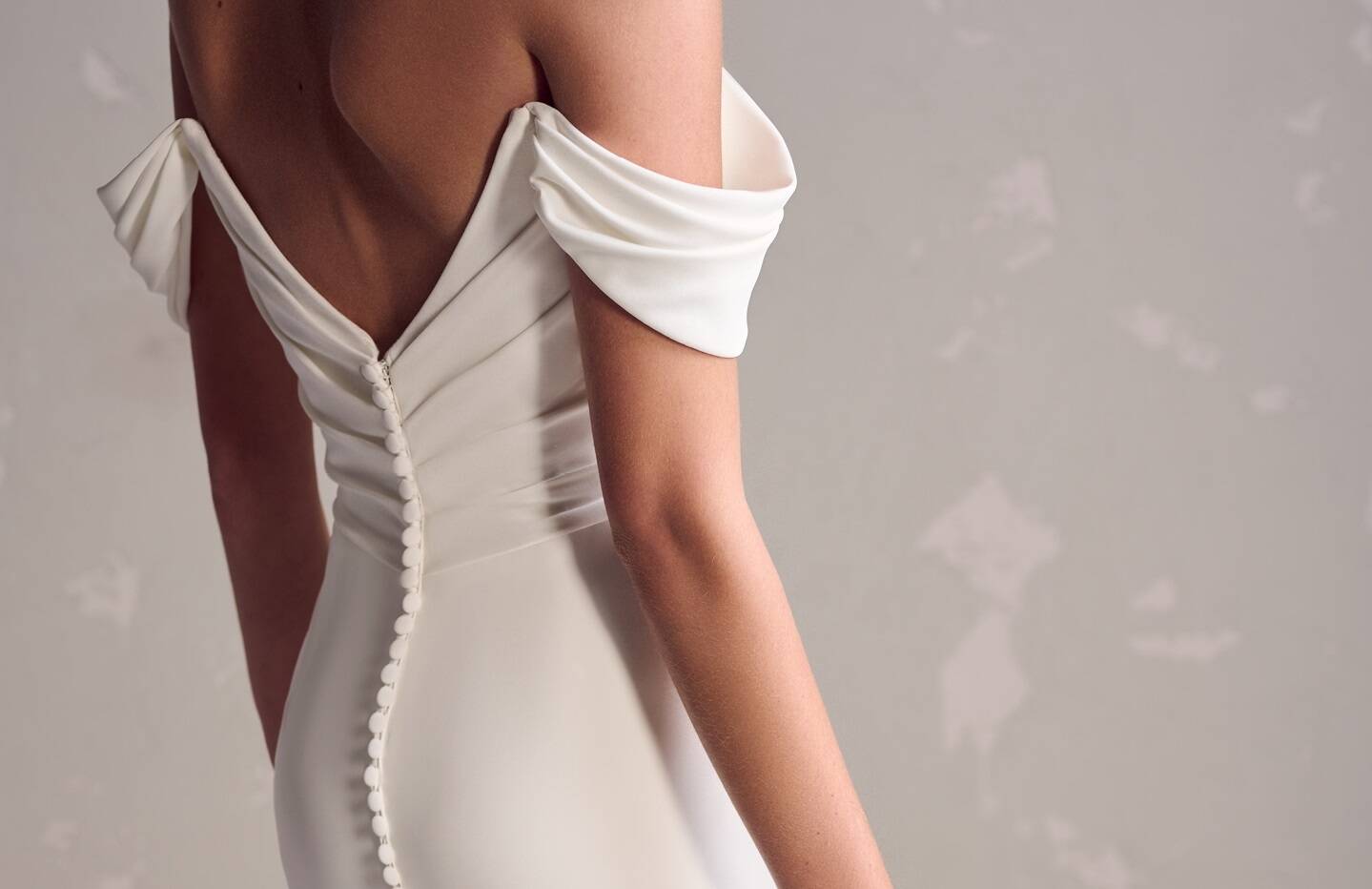
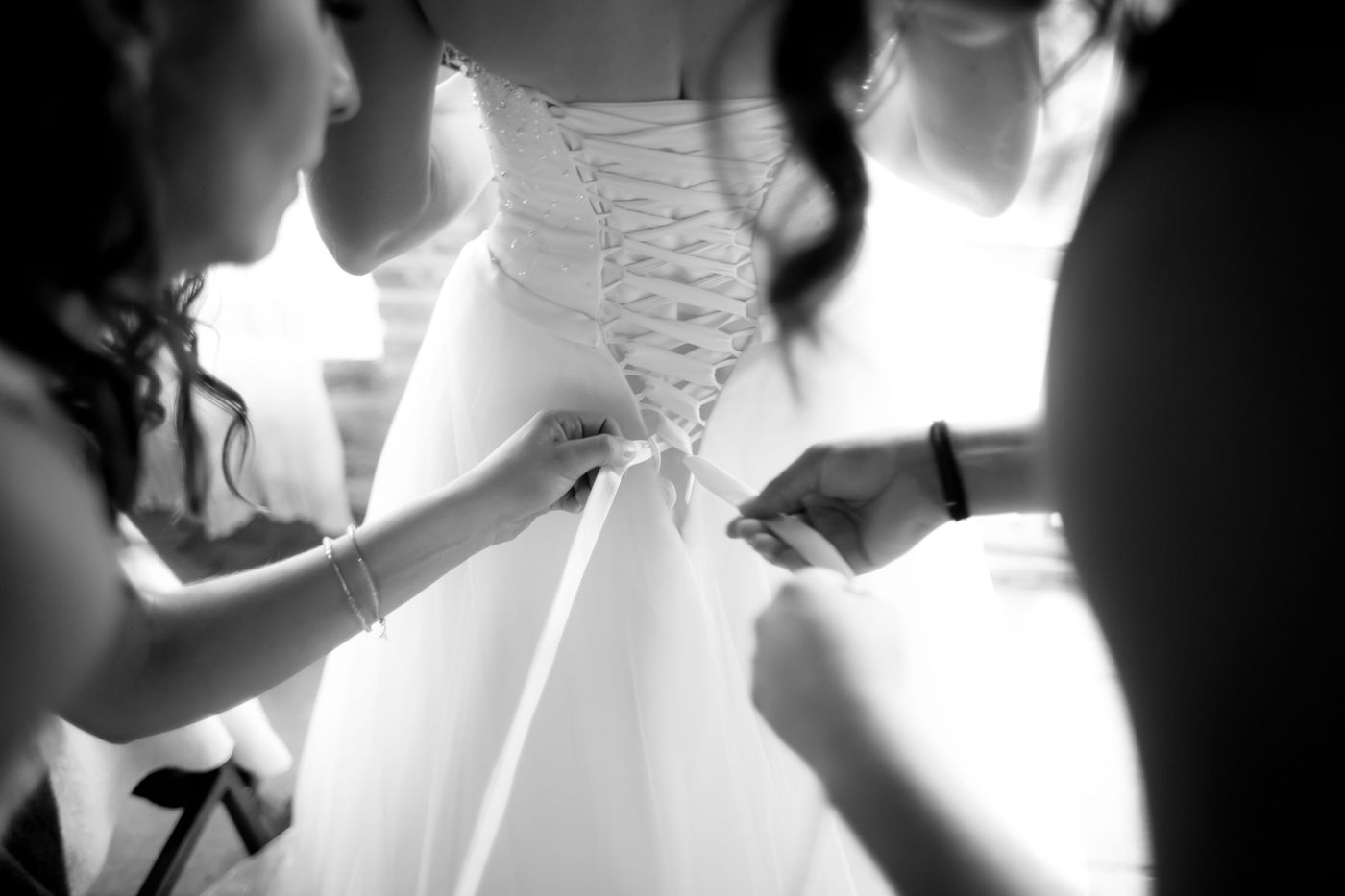
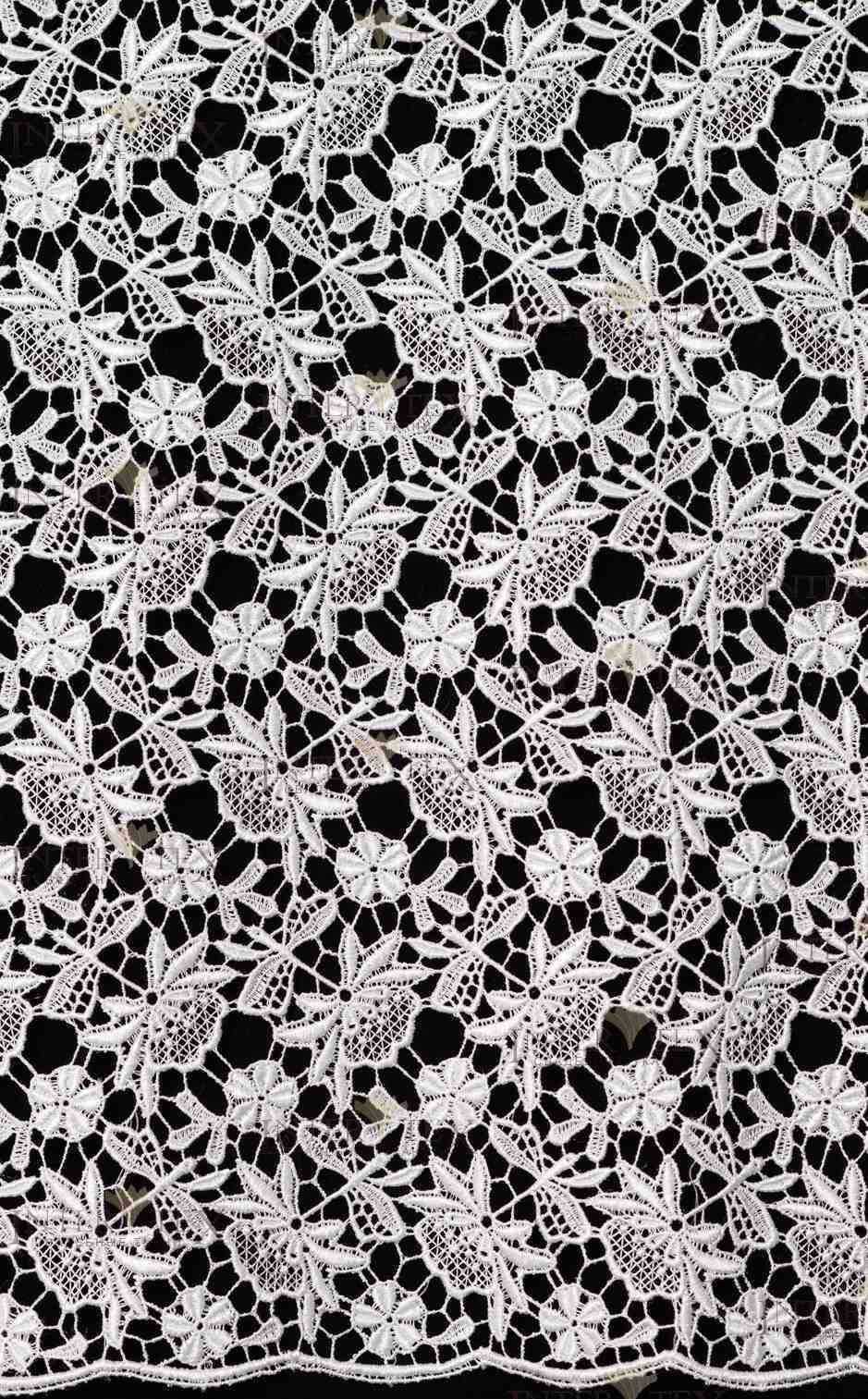
Mikado is one of the very few fabrics that designers describe as "royal". It is dense yet light; it carries a noble sheen without ever looking glossy or plastic; it holds the crisp lines of geometric silhouettes while still falling into soft bell-skirt folds. For more than a century mikado has been a favourite of haute couture — Vera Wang, Justin Alexander, Pronovias and Maggie Sottero have all built iconic dresses from it. In this guide we cover everything brides, designers and ateliers need to know about mikado.Known equally as mikado material and stretch mikado fabric (in its elastane variant), it has been the favourite bridal textile of Vera Wang, Pronovias and Maggie Sottero for decades.
What Is Mikado Fabric? Composition, Structure & Origin
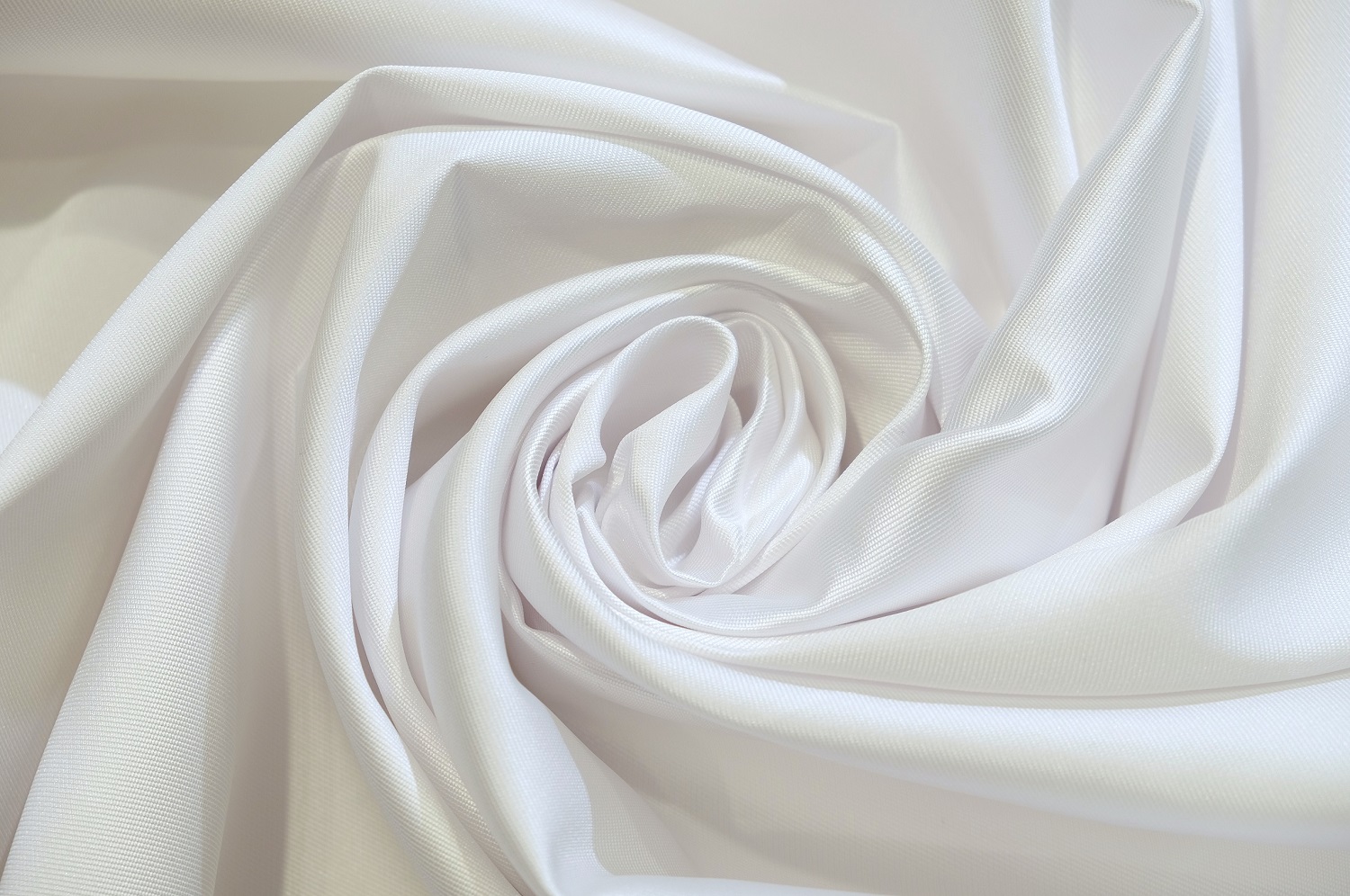
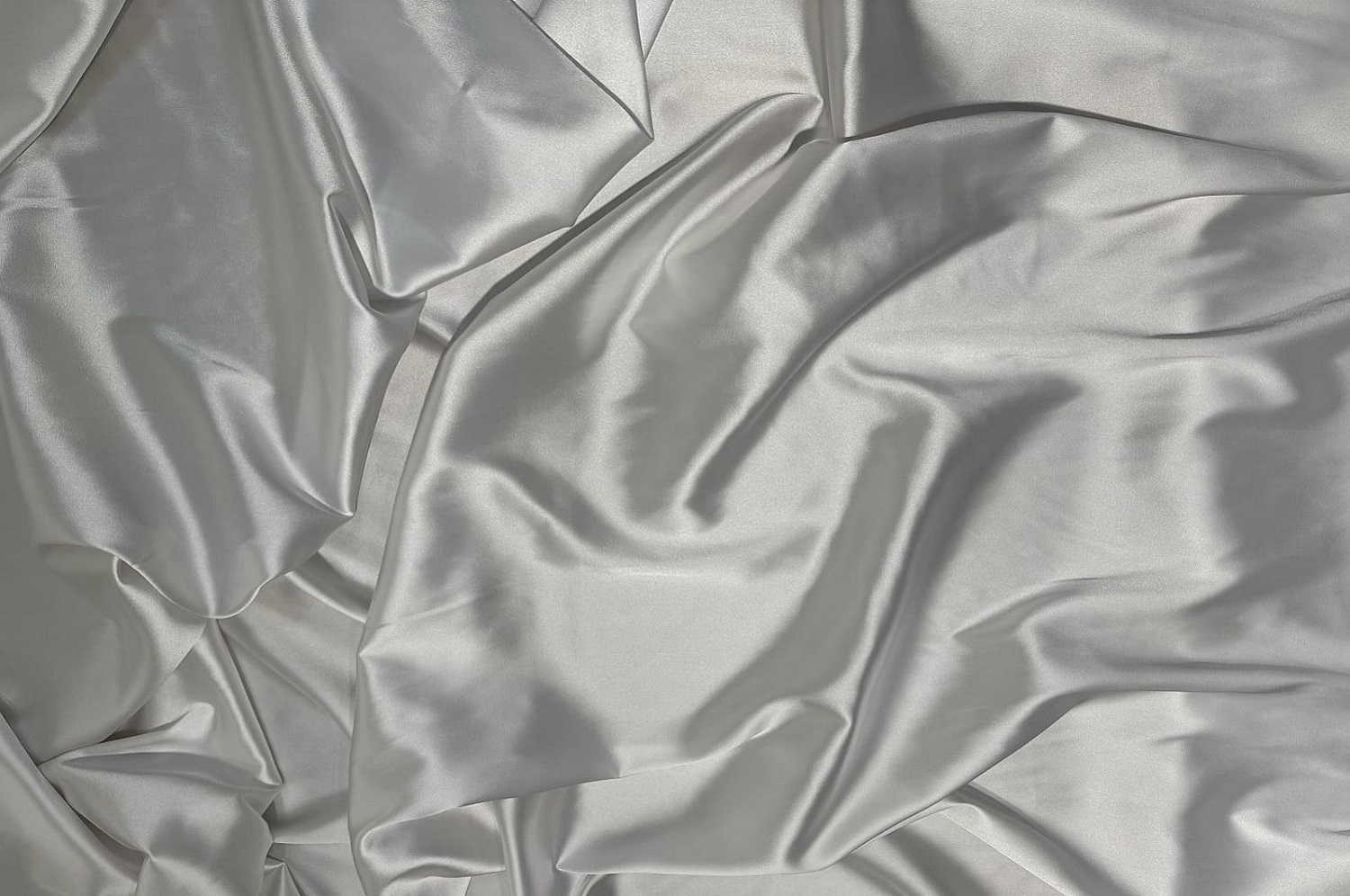
Mikado fabric — also written micado fabric in some markets — is a dense satin-weave textile with a fine ribbed surface and a soft, noble lustre. A partial satin float creates the sheen on the face and a matte back. The name comes from the Japanese word for ‘emperor’ — what does mikado mean? It literally means ‘imperial ruler’. Standard widths: 1.5 m and 3 m. Weight: 200–350 g/m².
4 Types of Mikado Fabric: Soft, Kelly, Stretch & Silk Mikado
1. Mikado Soft — the most popular
Softer than the classic mikado, with a generous drape that does not "stand on its own". Ideal for A-line silhouettes, full bell skirts and evening gowns with deep folds. Available at Inter Tex in white, off-white, champagne, black and a range of pastels.
2. Mikado Kelly — for sculpted silhouettes
Heavier and with a more pronounced texture. It holds three-dimensional shapes — perfect for ballgowns, structured bodices and architectural jackets. Less fluid than Soft.
3. Mikado Stretch — with elastane
Includes 3–5% elastane. Designed for figure-hugging mermaid gowns where you need a heavy hand with just a touch of give. Frequently used for cocktail and column dresses.
4. Silk mikado — premium
Pure silk gives a warmer, more "alive" lustre and a lighter touch. Requires special care (dry-clean only). Reserved for couture and premium collections. Prices start around $80/m.
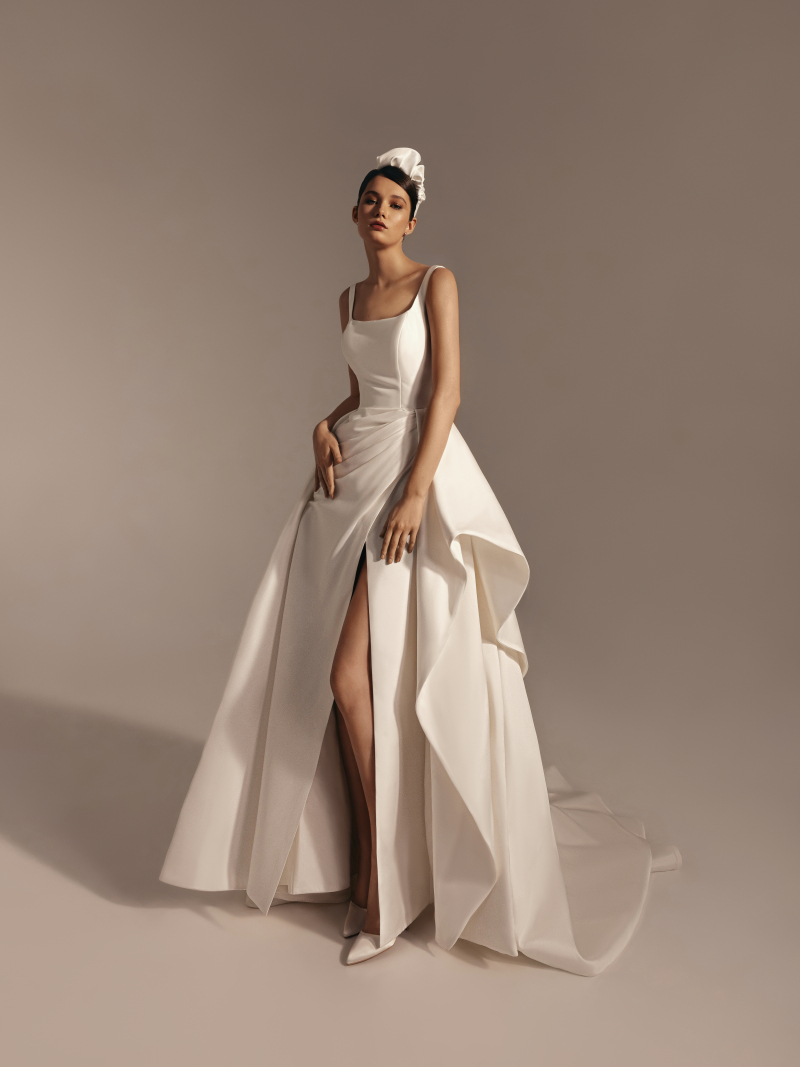
Mikado fabric properties
| Parameter | Value |
|---|---|
| Composition | 100% polyester, polyester + elastane, silk or viscose |
| Weight | 200–350 g/m² |
| Width | 1.5 m and 3 m |
| Sheerness | Opaque |
| Drape | Soft — good; Kelly — minimal |
| Wrinkling | Almost none (polyester); silk — moderate |
Advantages of mikado
- Holds shape — perfect for geometric silhouettes and structured bodices
- Noble lustre — soft, never plastic, plays beautifully under light
- Almost wrinkle-free — creases relax during wear
- Opaque — most silhouettes do not need a lining
- Withstands repeat laundering — especially the synthetic versions
- Versatile — from mini dresses to ballgowns with a train
- Pairs beautifully with lace, beading, appliqués and organza
Tip from Inter Tex: if it is your first time sewing with mikado, choose Mikado Soft 100% polyester — it forgives small cutting mistakes, is easy to care for and still photographs as a luxury fabric.
Drawbacks of mikado
- Kelly can feel stiff — sometimes too heavy for delicate silhouettes
- Does not breathe — synthetic versions are not ideal for hot summer wear
- Hard to alter — the dense weave resists fine needles
- Silk mikado is expensive — from $80–150/m
Mikado vs Satin: Key Differences (+ Taffeta & Crepe)
| Parameter | Mikado | Satin | Taffeta | Crepe |
|---|---|---|---|---|
| Sheen | Soft | Strong | Reflective | Matte |
| Holds shape | Excellent | Average | Excellent | Good |
| Wrinkles | Almost none | Moderate | Heavily | Almost none |
| Drapes | Good | Excellent | Poor | Excellent |
| Price per metre | Mid–high | Low–mid | Mid | Low–mid |
Buy Mikado Fabric Wholesale — From 5 m
The Inter Tex catalogue carries Mikado Soft, Kelly, Stretch and silk mikado in 1.5 and 3 m widths. Free 5×5 and 10×10 cm samples on request.
What mikado pairs with
- Organza — a heavy mikado bodice with an ethereal organza skirt
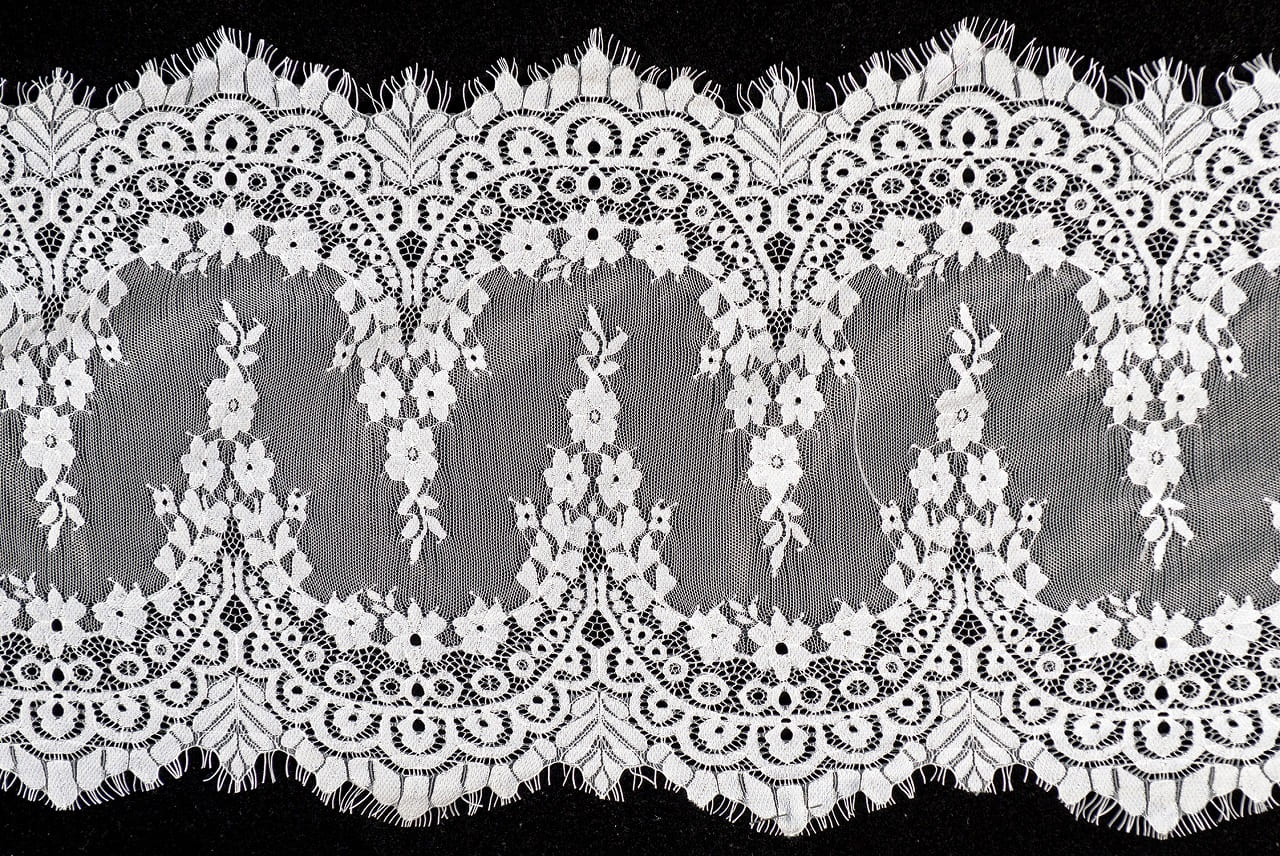
- Guipure and chantilly — lace accents on a calm mikado base
- Satin — multi-layer gowns playing with contrasts of sheen
- Beading, sequins, crystals — mikado is the perfect "canvas" for embroidery
- Tulle — full skirts layered over a fitted mikado bodice
How to sew with mikado: 7 tips
- Sharp shears — a dense fabric demands a clean cut. Dull blades leave fraying edges.
- Fine, sturdy needles 80–90 for machine stitching.
- Test seam on a scrap to balance the thread tension.
- Do not stretch — mikado does not give (except Stretch).
- Overlock the edges — the cloth does not fray much, but overlocking extends garment life.
- Lining is optional — mikado is fully opaque.
- Press through a cotton cloth — to protect the texture and avoid shiny marks.
Common mistake: ironing on a high temperature without a press cloth. Synthetic mikado picks up shiny iron marks immediately and they cannot be removed. Always press through cotton on the lowest 1–2 dot setting.
How to wash and iron mikado
Washing: synthetic mikado — machine wash in a delicates bag at 30 °C, no spin. Silk mikado — dry-clean only. Drying: flat or on a wide hanger, away from sunlight. Ironing: from the wrong side, through a cotton cloth, on a medium setting (1–2 dots), no steam. Storage: in a breathable garment bag on a wide hanger.
Mikado Fabric Price 2026: Is Mikado Fabric Expensive?
| Type of mikado | Price, $/m (retail) | Segment |
|---|---|---|
| Mikado Soft (polyester) | $8–14 | Budget |
| Mikado Kelly | $10–16 | Mid |
| Mikado Stretch | $12–18 | Mid+ |
| Silk mikado | $60–200+ | Premium |
Wholesale prices are 15–25% lower. Inter Tex stocks 1.5 m and 3 m widths and ships free 5×5 and 10×10 cm samples on request.