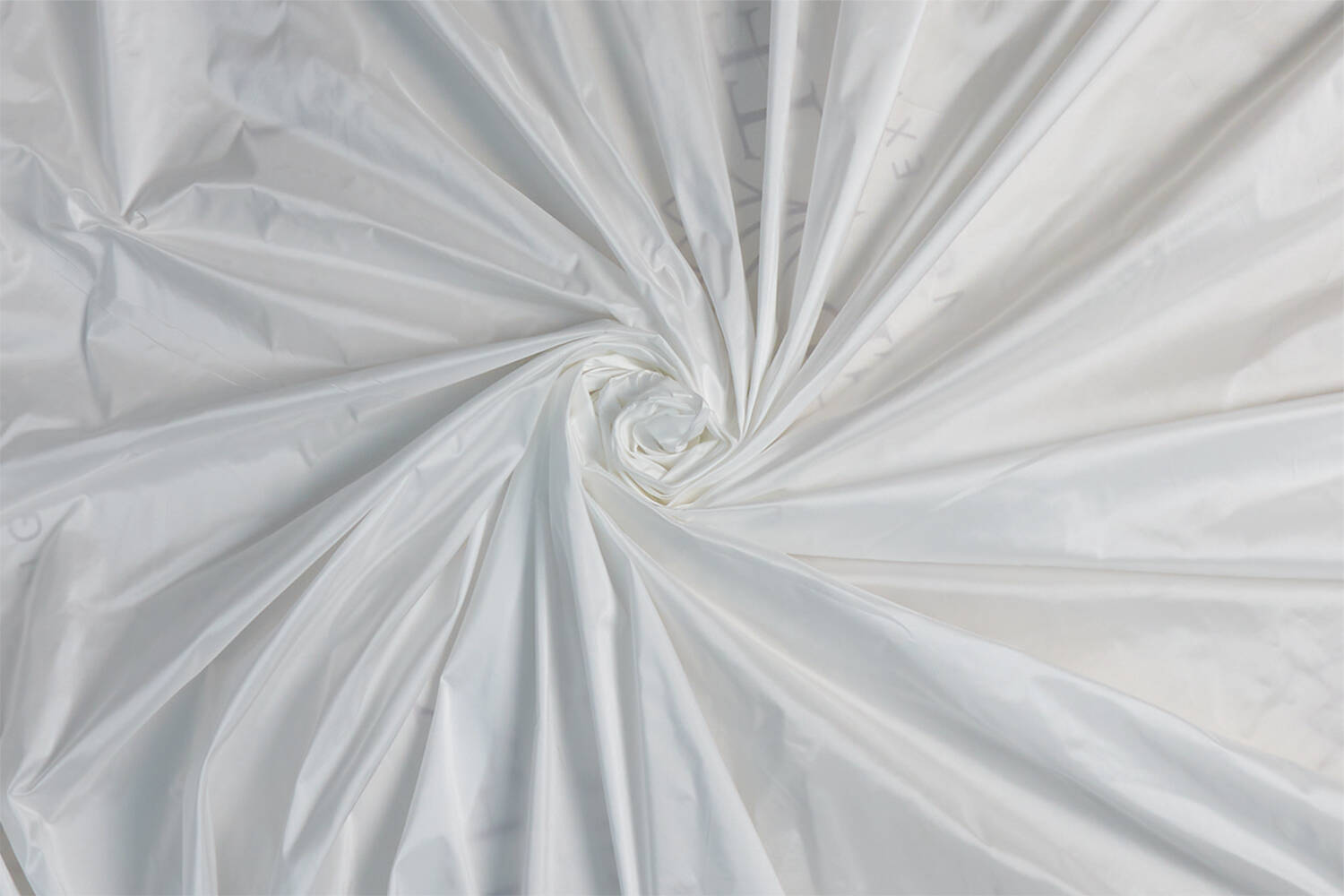
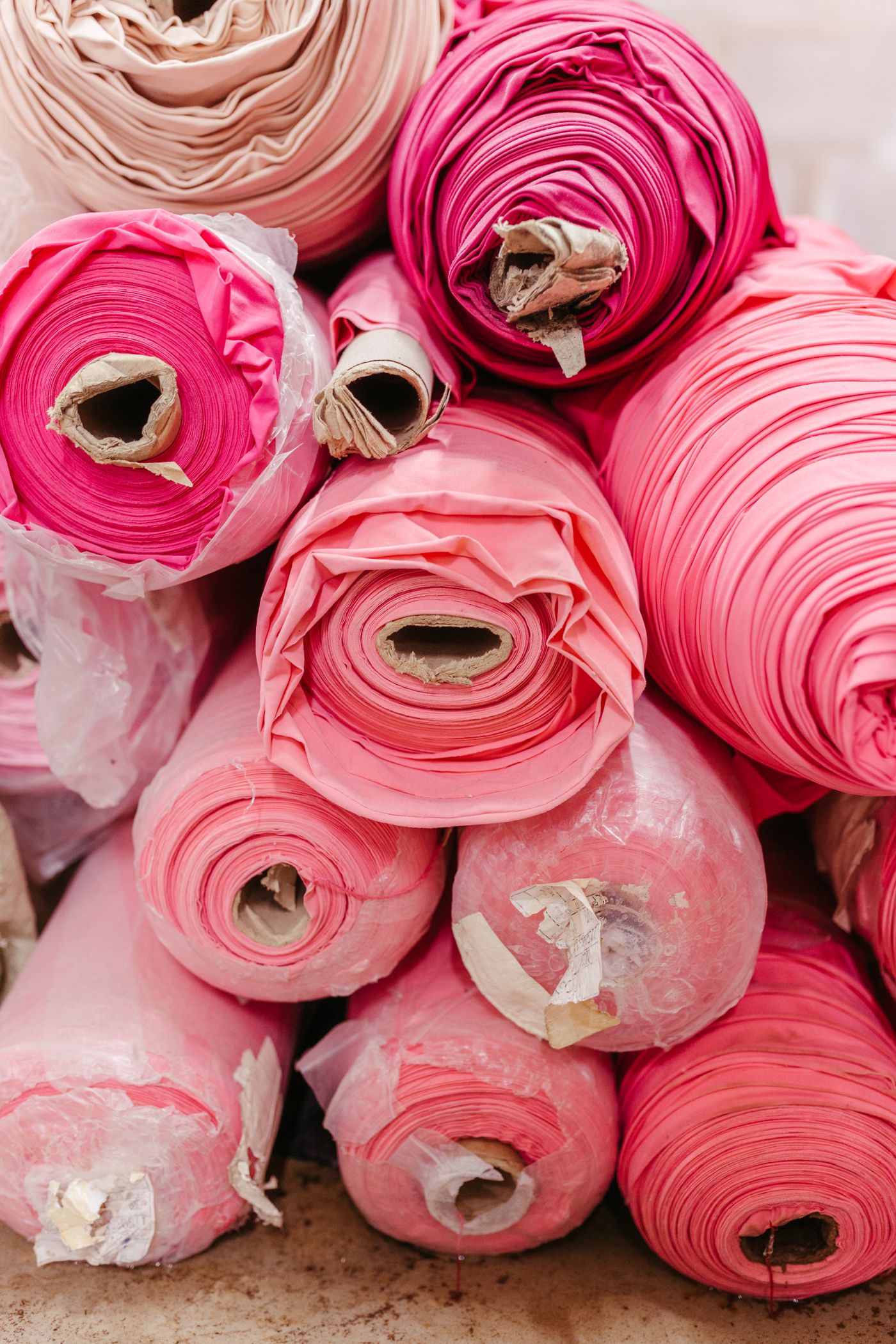
Tulle is one of the most versatile materials in bridal couture — lightweight, transparent, with its characteristic fine mesh texture. It is used for voluminous skirts, decorative overlays, veils, and inner layers that give structure to the dress. Inter Tex offers wholesale tulle for bridal ateliers and designers worldwide.
What Is Tulle and Where Is It Used?
Tulle is a fine, lightweight mesh fabric made from polyester or nylon, used in voluminous skirts, veils, bodices, and decorative overlays for wedding dresses. It adds volume without weight.
Tulle stands out for unique properties that make it indispensable in bridal dressmaking:
- Minimal weight — does not weigh down the dress, even in multiple layers
- Transparency — creates an illusion of fluidity and lightness
- Adjustable stiffness — can be starched for structure or left soft for delicate overlays
- Shape retention — maintains volume even after hours of wear
- Compatible with embellishments — ideal for crystal, pearl, or embroidery decorations
Tulle is used in: ball gown skirts (15–25 m for maximum volume), wedding veils (3–5 m), inner underskirts beneath other fabrics, decorative overlays with embroidery or print.
Types of Tulle at Inter Tex
Inter Tex offers four main variants, each with specific applications:
1. Classic (Stiff) Tulle
The standard fine mesh with its characteristic structure. Ideal for voluminous skirts and inner supports. Available in white, ivory and light colours. The most popular choice for classic ball gown dresses.
2. Soft Tulle
The variant with finer texture and more fluid drape. Perfect for veils, outer layers and overlays that need to flow elegantly. Less stiff, but with a more refined appearance.
3. Stretch Tulle
Contains 5–10% elastane. Ideal for fitted bodices or pieces that need to conform to the body. Maintains the characteristic transparency of tulle, but with added flexibility.
4. Glitter / Printed Tulle
Tulle with floral, geometric motifs or integrated glitter. Used as a decorative outer layer or for veils with a special sparkle effect. Available in limited editions at Inter Tex.
| Tulle Type | Main Use | Wholesale Price |
|---|---|---|
| Classic stiff | Voluminous skirts, supports | $1.50–4/m |
| Soft | Veils, overlays | $2–5/m |
| Stretch | Fitted bodices | $3–6/m |
| Glitter / Printed | Decorative, special veils | $4–8/m |
Order wholesale tulle
All types available. Fast worldwide shipping. Minimum order — $50 for Ukraine and $100 for international customers.
How to Sew Tulle — 5 Practical Tips
- Use a fine needle (size 70–80) — thick needles leave visible holes in the fine mesh
- Sew multiple layers at once — stack layers before sewing for even volume distribution
- Avoid direct ironing — polyester tulle can melt; iron through a pressing cloth at 1 dot (max 130°C)
- Edges do not fray — tulle does not unravel; leave edges cut or add lace trim
- Use fine thread (Nm 120) — thick thread is visible in the transparent mesh
Pro tip: Before cutting tulle for a ball gown skirt, fold the fabric into 4–6 layers and cut simultaneously for perfect uniformity. Mark the grain direction with tape to avoid distortion during assembly.
Tulle vs. Organza vs. Chiffon — Which to Choose?
The choice depends on the desired effect:
- Tulle → maximum volume, lightness, ideal for ball gowns and veils
- Organza → more structured, less transparent, stiffer; good for overlays with precise contours
- Chiffon → most fluid, matte, heavier; for column dresses and naturally flowing layers
Tulle Care Guide
- Washing: 30°C in a laundry bag, delicate programme
- Drying: flat or on a wide hanger — do not wring, do not tumble dry
- Ironing: 1 dot (max 130°C), through a pressing cloth, no direct steam
- Storage: rolled on a tube or folded with tissue paper; avoid direct pressure which can deform the mesh