Interfacing is the "secret ingredient" that turns amateur tailoring into professional work. Without it, collars lose shape, cuffs droop, waistbands crease. Let us see what types of interfacing exist and what each is for.
What is interfacing technically
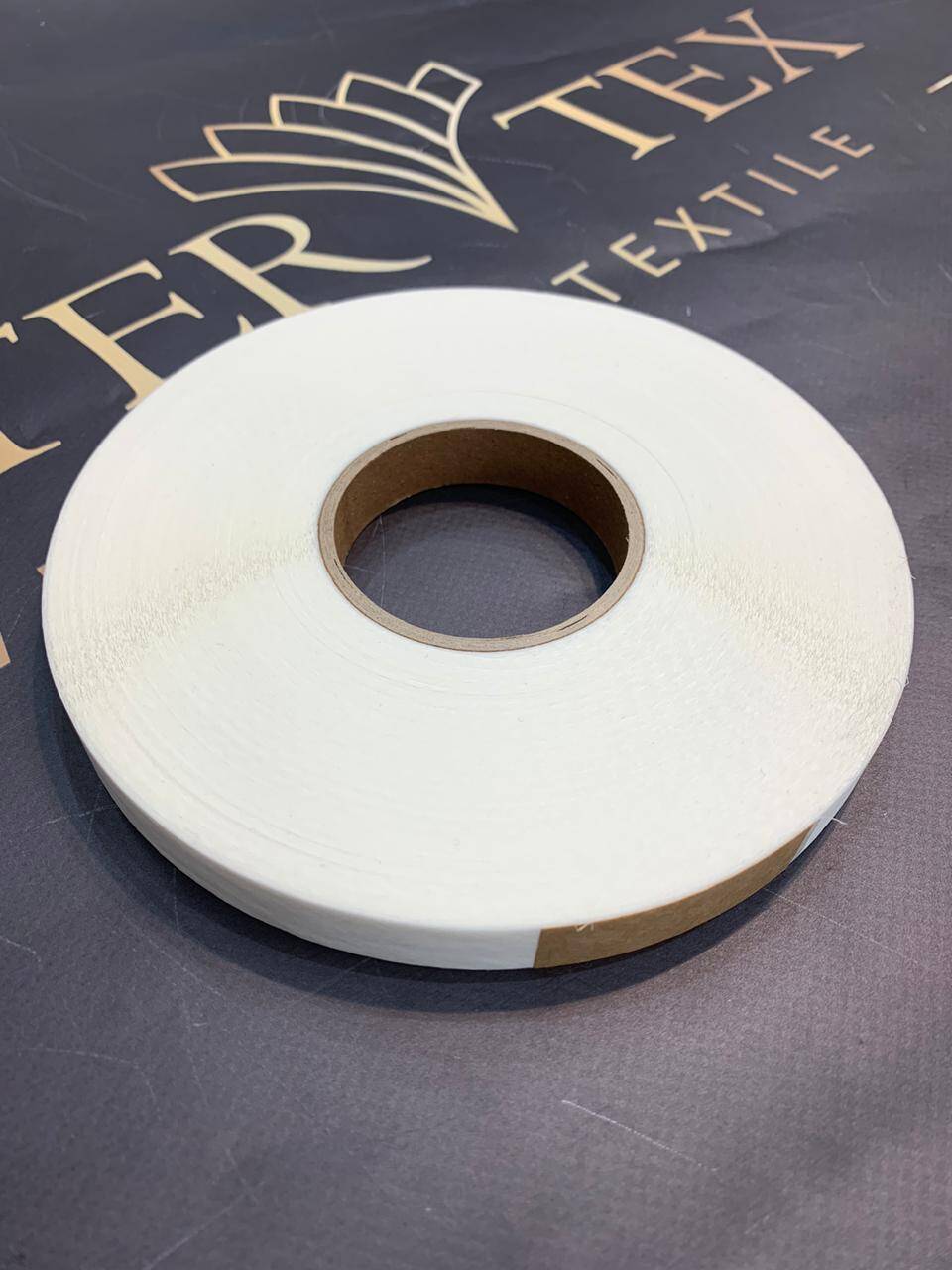
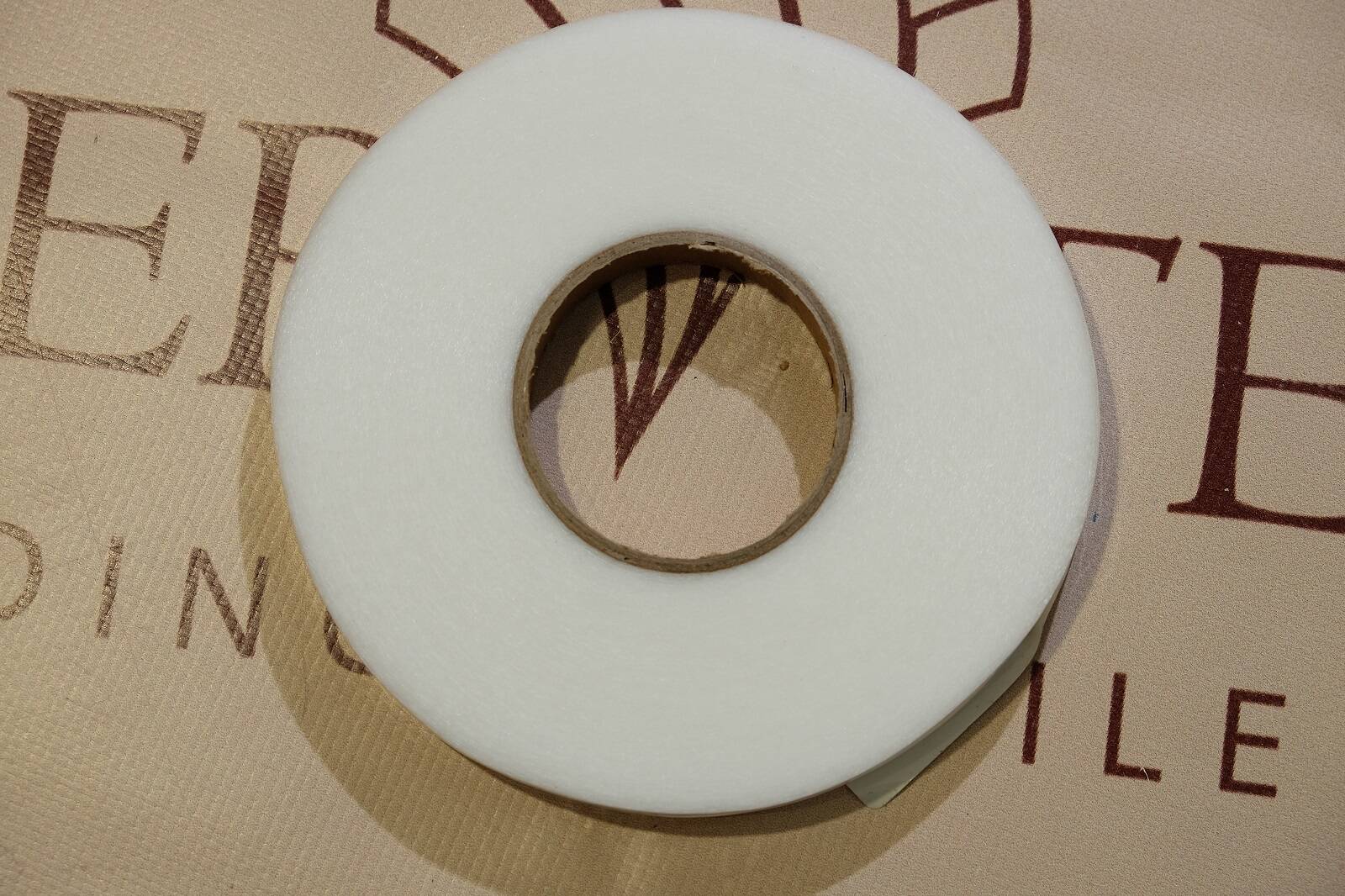
Interfacing — a non-woven material made of cellulose or polyester fibres bonded with adhesive (instead of being woven like normal fabric). It can be stiffer or softer, with adhesive coating or without. Used as a backing material to give shape to garment elements.
The first interfacings appeared in Germany in the 1950s. The trade name comes from the German company Vlieseline (now the Vilene brand) which became generic for the whole class of materials. Today interfacing is produced in many countries and is a mandatory component of professional sewing.
6 types of interfacing
1. Fusible dotted
The most common type. Adhesive applied as dots — makes the bonding soft, not "wooden". Suits most fabrics: cotton, linen, polyester.
2. Fusible full-coat
Adhesive covers the whole surface. Provides a stiffer bond — for shirt collars, trouser waistbands, pockets.
3. Sew-in (non-fusible)
No adhesive. Stitched together with the main fabric. Suits delicate fabrics that don't tolerate ironing at high temperature.
4. Paper (water-soluble)
Very thin, water-soluble. Used as backing for machine embroidery — washes out in water after finishing.
5. Voluminous
Dense 80-150 g/m², gives a 3D effect. Used for appliques, corsets, voluminous parts.
6. Knit interfacing (jersey type)
With a knit base — stretches with the main fabric. For backing knit and stretch fabrics.
How to choose interfacing density
| Density | For what |
|---|---|
| 20-30 g/m² | Chiffon, silk, thin fabrics |
| 40-50 g/m² | Cotton, linen, thin polyester |
| 60-80 g/m² | Suit fabrics, gabardine |
| 80-110 g/m² | Coat fabrics, pockets |
| 120-150 g/m² | Corsets, 3D appliques |
Rule of thumb: interfacing density should be roughly 2-3 times less than the main fabric. Otherwise the part becomes "wooden".
How to apply fusible interfacing: step by step
- Cut interfacing to the pattern of the main piece (without seam allowances).
- Place adhesive side (with dots) on the wrong side of the main fabric.
- Cover with gauze or thin cotton.
- Iron 8-12 seconds at 130-150 °C, no steam.
- Don't slide the iron — lift and place on a new spot.
- Let cool 1 minute before working with the piece.
Looking for quality interfacing wholesale?
Inter Tex catalog — interfacing in various densities and widths. Wholesale from 50 m, EU shipping.
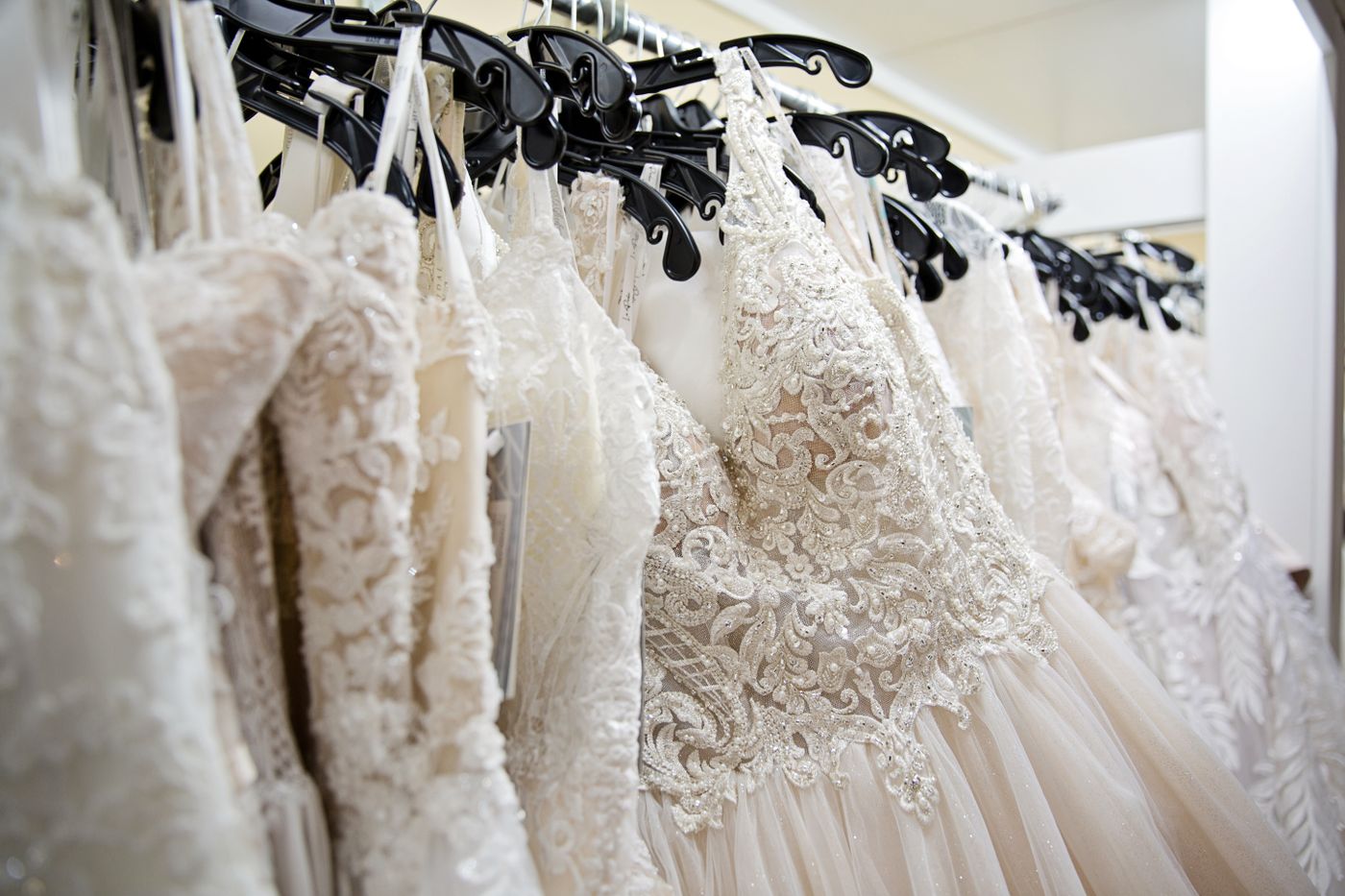
Where interfacing is used in wedding dresses
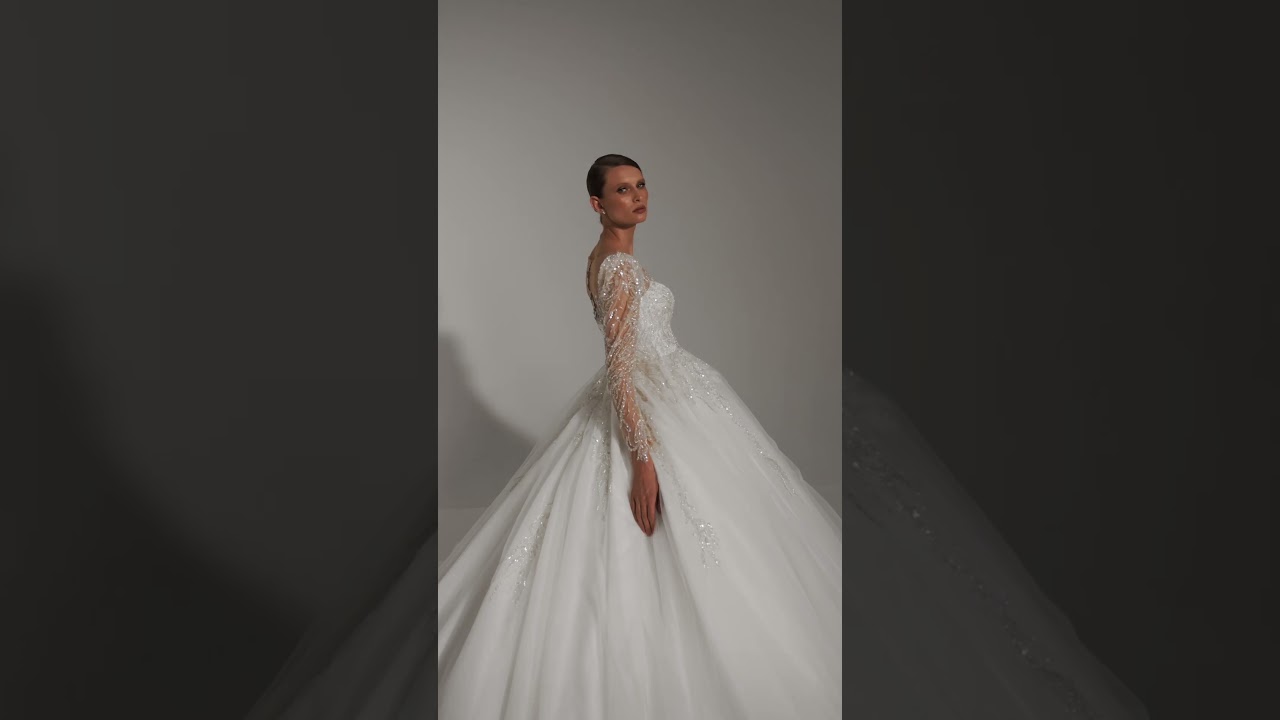
- Bodice — voluminous interfacing gives shape and holds it
- Collars and cuffs — to prevent deformation
- Waistbands and yokes — for stiffness
- Appliques — voluminous interfacing as a base
- Train — for shape retention
Common mistake: ironing interfacing through dry paper. Doesn't give even heat, adhesive may not activate. Always use gauze or thin damp cotton.
Care for items with interfacing
Care rules: properly fused interfacing withstands machine washing at 30-40 °C. Iron at the temperature of the main fabric. If interfacing peels — place gauze and iron 10 more seconds.