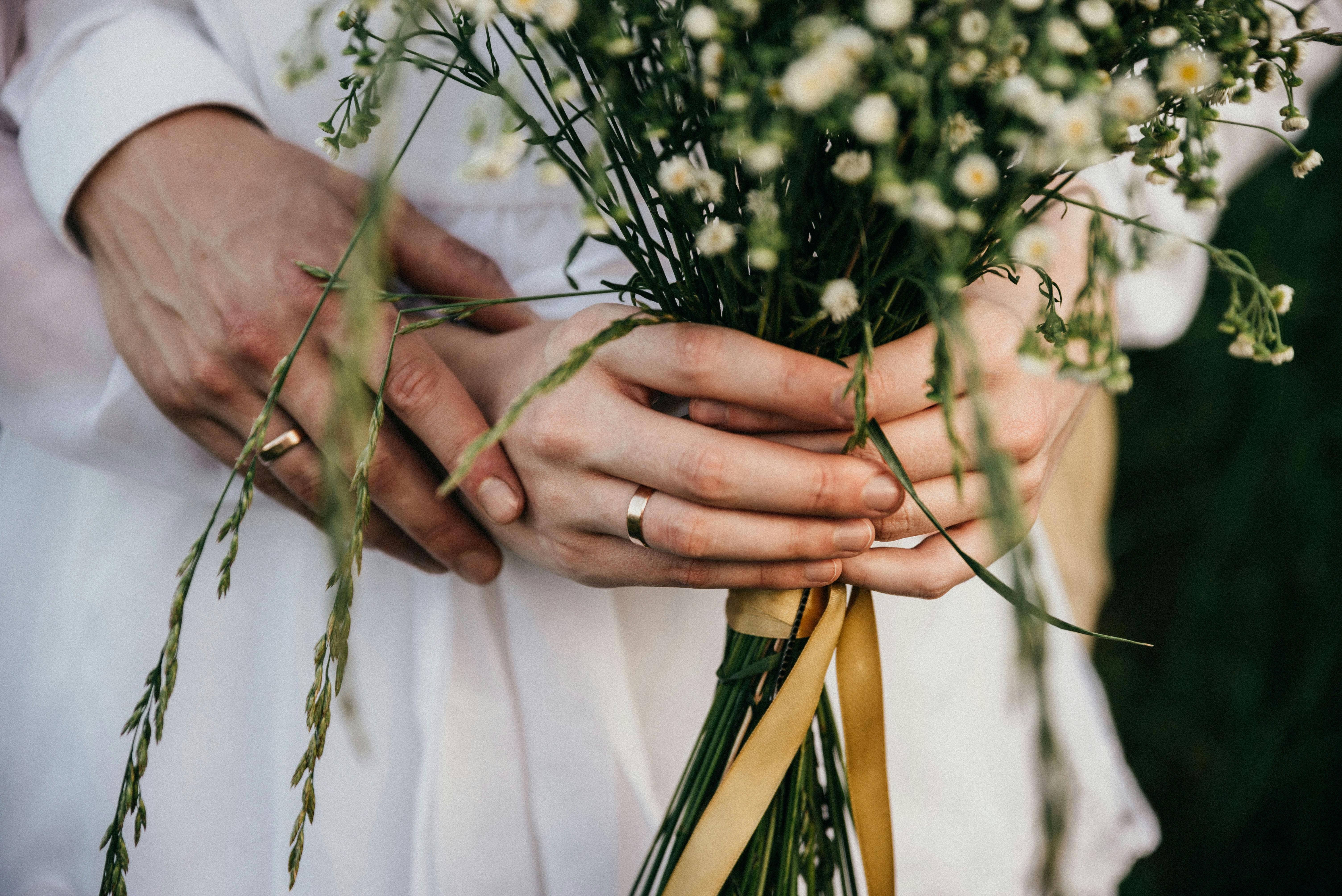
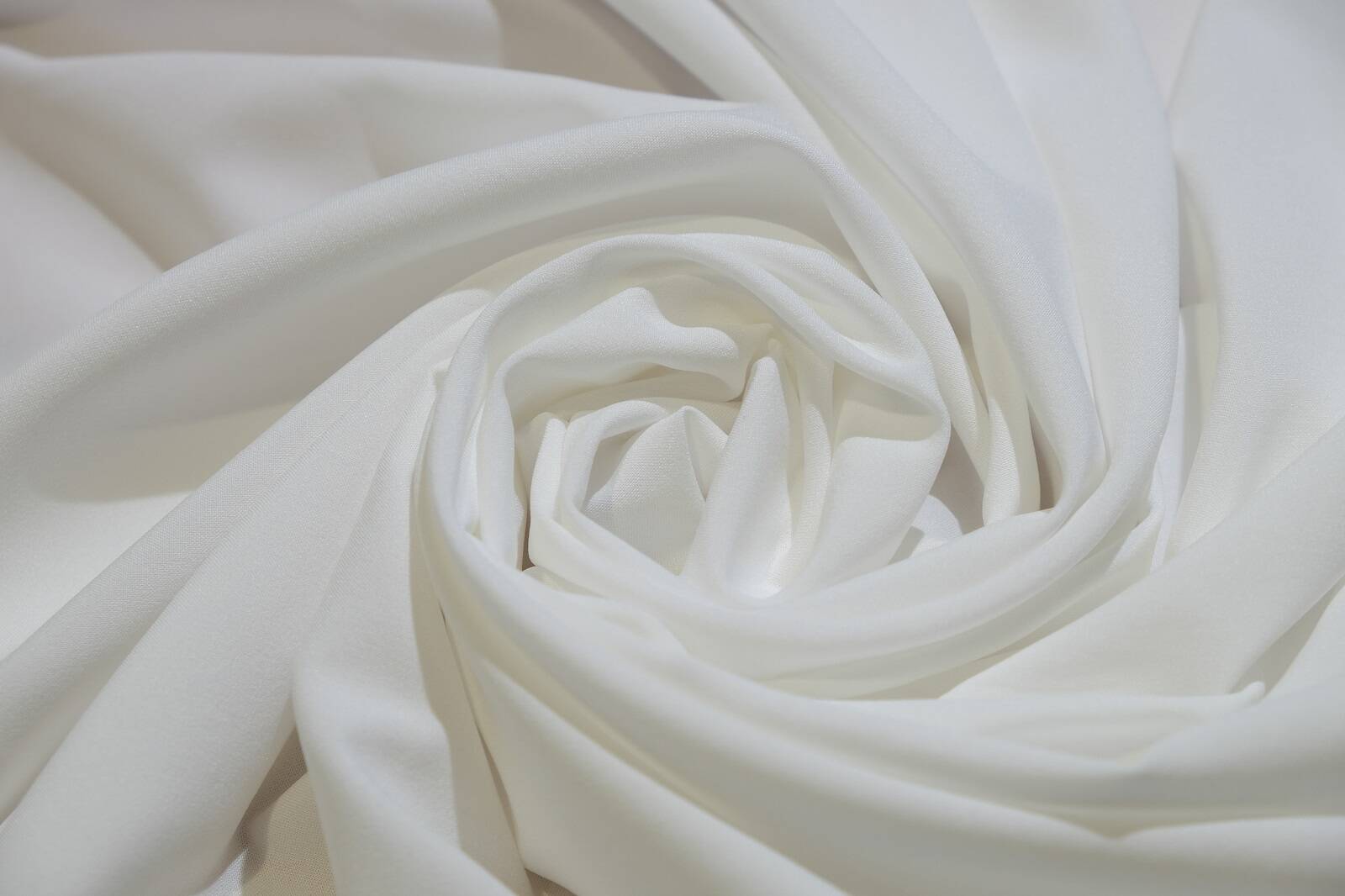
Nylon was the textile industry’s first blockbuster polymer: stronger than silk by weight, cheaper to scale, and emotionally tied to 20th-century modernity. Military demand normalised high-tenacity polyamide cloth; post-war fashion moved it into stockings, lingerie, and eventually bridal illusion veils and stiff tulle skirts. This article stays practical: how PA6 differs from PA66, where polyamide helps in a wedding look, and how to wash and press without shine marks.
What nylon is, in plain English
“Nylon” usually means polyamide fibres such as PA6 or PA66 — long chains with amide links. They are light, strong, and dry faster than cotton, but feel warmer than polyester in some constructions. Do not confuse polyamide with polyester (PET): different chemistry, different ironing behaviour.
Timeline highlights
- 1935–1938 — DuPont develops nylon 6,6 filament.
- 1939 — Nylon stockings become a mass-market symbol.
- 1940s — Parachutes and webbing prioritise polyamide strength.
- Today — Tulle, veils, linings, sport mesh, microfibre wipes.
PA6 vs PA66 for buyers
| PA6 | PA66 | |
|---|---|---|
| Melt window | ~215 °C | ~255 °C |
| Hand | Slightly softer drape | Crisp, more rigid |
| Typical uses | Knit, soft tulle | Technical cloth, cord |
Nylon in bridal wear
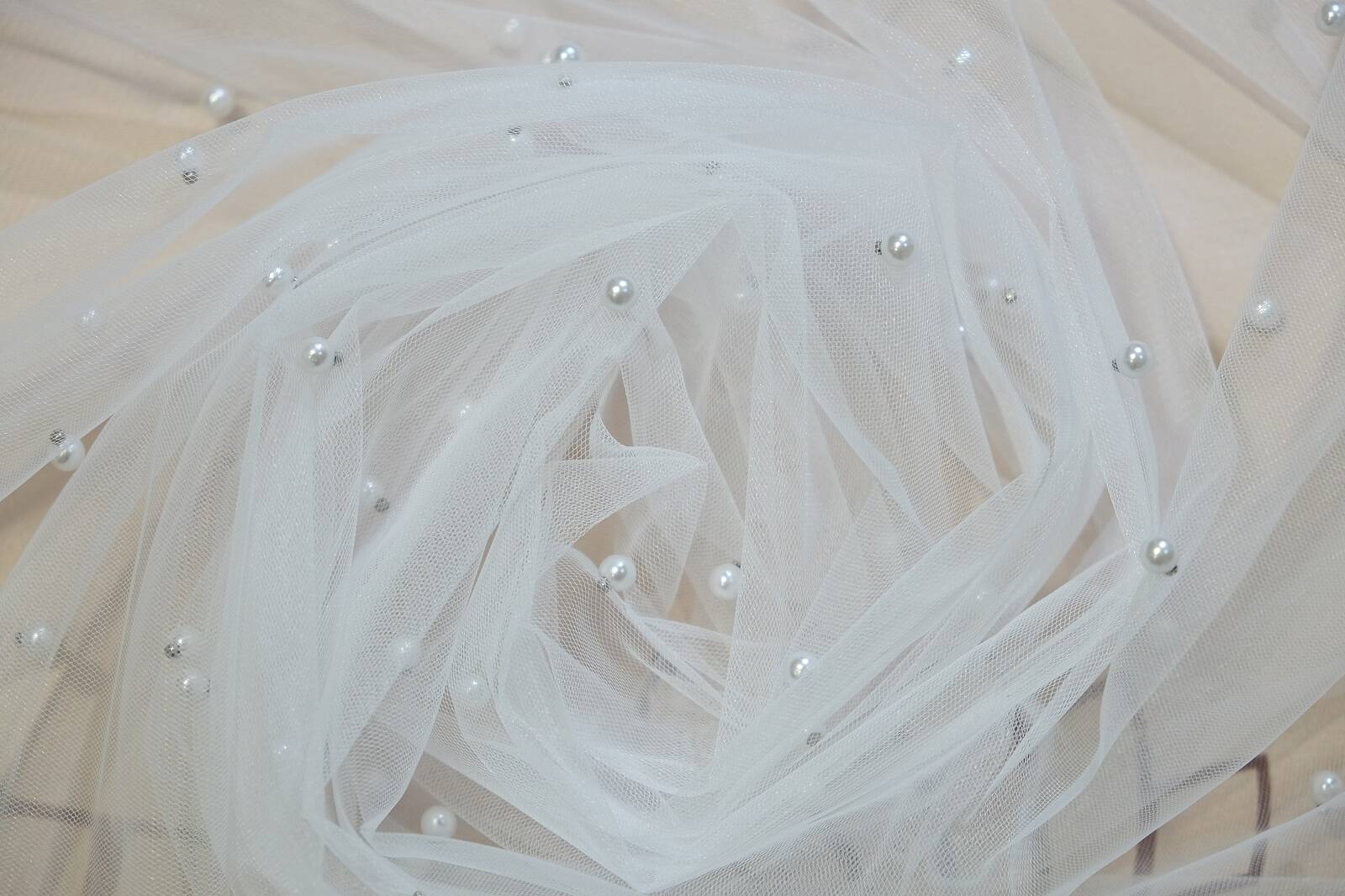
- Illusion veils & fine tulle — low weight, predictable width.
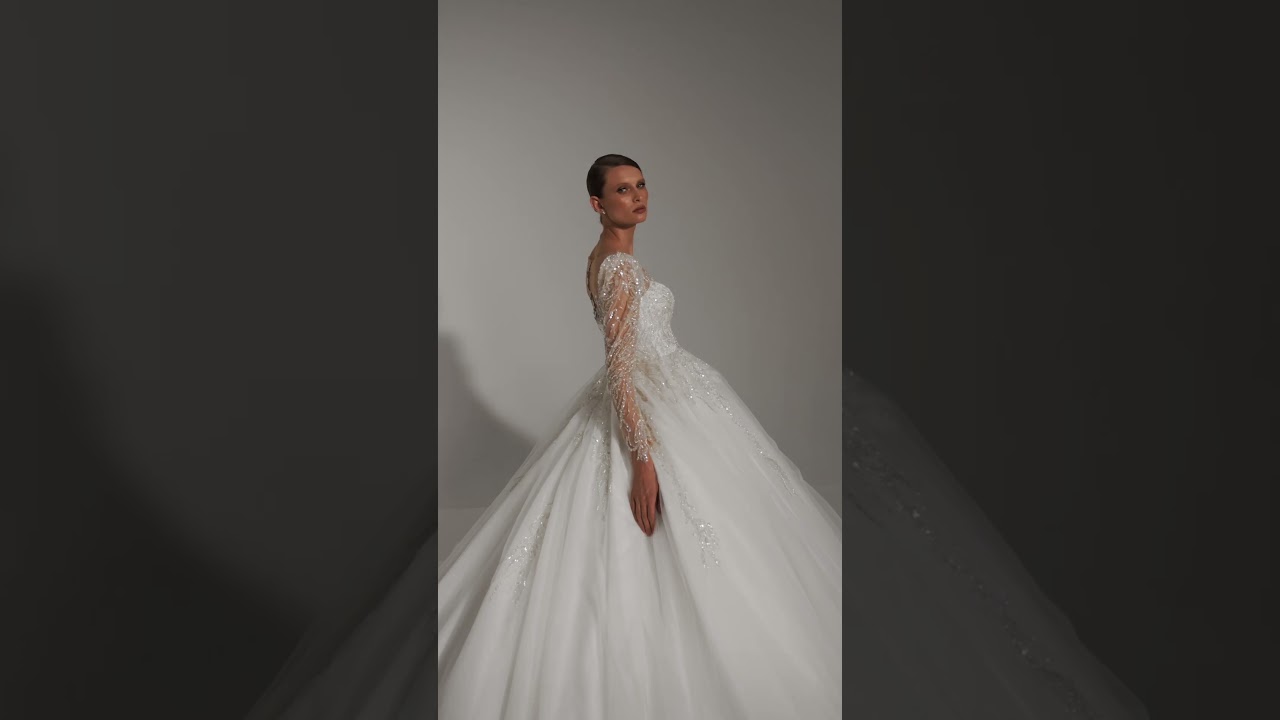
- Volume skirts — stiffer nylon tulle holds “cloud” silhouettes.
- Lining — slippery, helps skirts slide over petticoats.
- Trade-off — against bare skin in hot weather, pair with a breathable cotton/viscose lining.
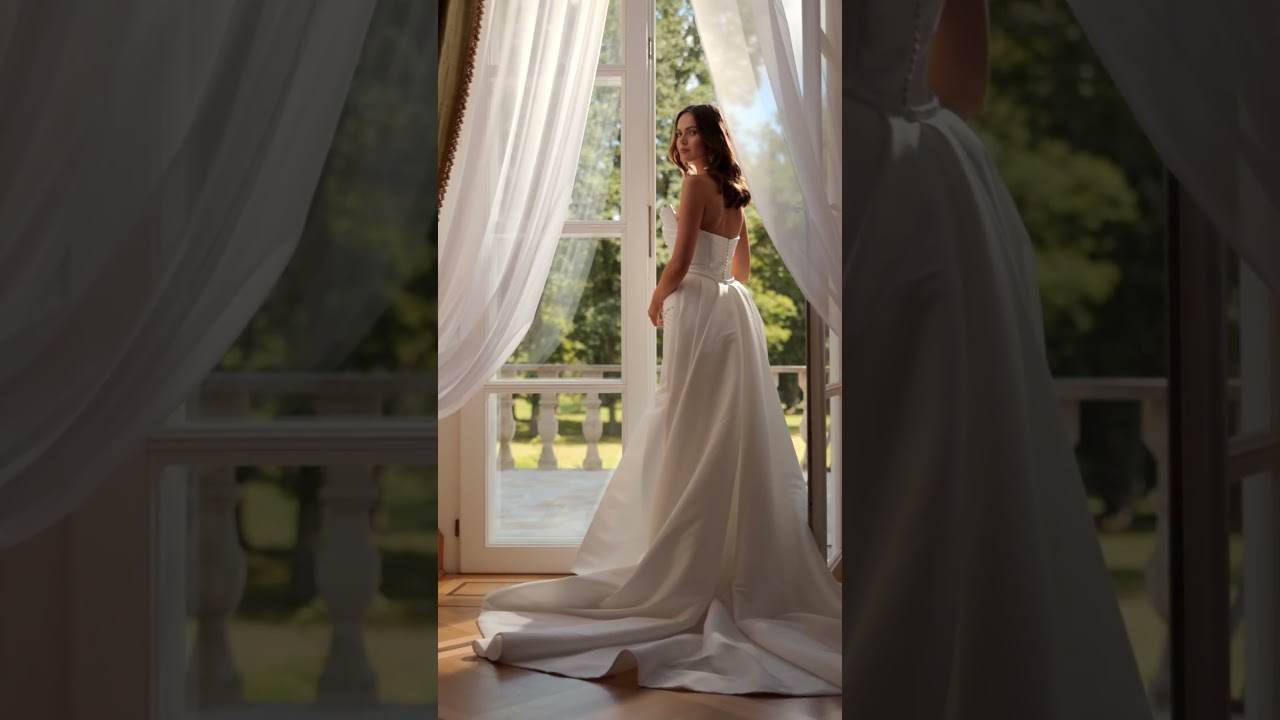
Nylon tulle is the foundation of most contemporary voluminous skirts. It is 15–20% lighter than the polyester equivalent, drapes into a softer "cloud" and holds its shape longer during wear. The key advantage is a smooth selvedge: quality nylon tulle does not "scratch" the skin even without lining, which is essential for A-line gowns with exposed bodices. This is why most European ateliers favour nylon for skirt sections of bridal pieces.
Nylon-based veils have another practical benefit: they static-charge far less than polyester. This is especially noticeable during fittings: a nylon veil does not cling to hair or the back of the gown. Decorative nylon corset meshes hold their shape without losing elasticity and respond well to steam pressing.

Ironing: shiny scars appear when the sole is too hot — synthetic/low heat, always with a cloth barrier.
Laundry: 30 °C, mesh bag, mild liquid detergent; oxygen bleach per label beats chlorine for many white veils — patch test first.
Nylon vs polyester (short)
Both are synthetics, but polyamide often feels slightly warmer and less “glassy” than glossy polyester taffeta. For veiling, calendering quality and knot stability matter more than the marketing name on the roll.
Need tulle, organza, or lining wholesale?
Inter Tex supplies ateliers across Ukraine and the EU — swatches, MOQ from 5 m.
How to choose nylon fabric: what to check
When buying nylon fabrics wholesale for bridal pieces, focus on three parameters. First — selvedge softness: hold the fabric by a corner and run it across the inner wrist. A stiff selvedge will inevitably chafe without lining. Second — colour fastness: dampen a corner and press it against white fabric. Third — iron shrinkage: press a small piece through muslin at 110 °C and measure before and after — quality fabric shrinks less than 2%.
For tulle and veils, "clarity" also matters: hold the fabric up to light and check weave uniformity. Uneven mesh density produces unsightly bubbles on the skirt during wear. Always test each new article on a swatch before ordering a full batch — this is the cardinal rule when working with synthetic fabrics.
Sustainability note
Mechanical recycling of pure polyamide exists but is not universal. Brands often balance a synthetic veil with natural bodice fabrics or certified linings to meet eco-minded clients without giving up structure.
Nylon in detail: veil, corset, trim
A nylon veil is one of the most quality-sensitive items to source. A reliable supplier will always specify not just the composition (PA6 or PA66), but also weight in g/m², width and edge type (heat-cut, overlocked or lace). For a classic bridal veil at 3 m, nylon at 15–20 g/m² is recommended: light enough not to weigh down an updo, yet strong enough to survive several hours outdoors.
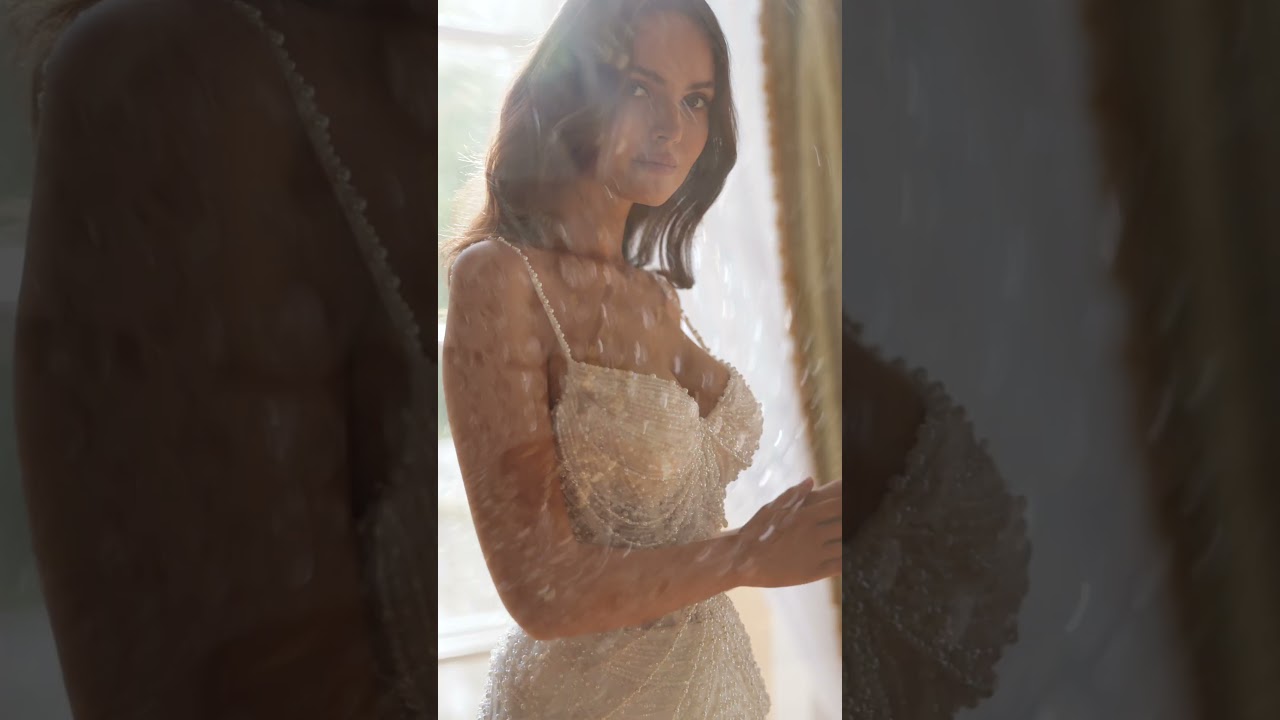
In corset construction, nylon mesh forms the structural "skeleton" — stretched over boning or plastic stiffeners. Corset-grade density is 80–120 g/m² with a tight weave. Decorative nylon mesh with print or embroidery is a 2025–2026 trend for sleeve inserts and capes, creating the illusion of bare skin with maximum dramatic impact.
When to choose nylon: a quick summary
Nylon is the optimal choice for lightweight voluminous constructions: veils, tulle and decorative meshes. Always check swatches for selvedge softness and heat resistance before a large order. For a standard 3 m bridal veil, the optimal weight is 15–20 g/m². For a high-volume cloud effect, use 25–35 g/m² in multiple layers — this produces the most dramatic silhouette without excessive weight.
Key takeaways
- Inter Tex is a Ukrainian manufacturer of premium fabrics with 20+ years of experience.
- Catalog: mikado, guipure, lace, appliques — over 200 fabric types.
- Delivery: Ukraine, Moldova, Poland, Romania, EU, UK.
- Order a sample for $2 before placing a large order.
- Free expert support in fabric selection.