• UA
  • RU
  • RO
  • EN
+38 (050) 337-00-77
+38 (067) 336-00-77 +39 029475 32 52 +4 031630 22 87
  • Accessories
  • Guipure
  • Lace
  • Lace fabric
  • Macrame
  • Belts
  • Fabrics
  • Chantilly lace
  • Applications
  • Blog
  • Contacts
  • Partners
  • Sales
  • Scholarship
  • Contacts
  • Partners
  • Sales
  • Discounts
  • Scholarship
Mon–Fri: 09:00–18:00, Sat–Sun: closed
Inter Tex
  • UA
  • RU
  • RO
  • EN
+38 (050) 337-00-77
+38 (067) 336-00-77 +39 029475 32 52 +4 031630 22 87
Favorite 0 items
Login see prices
  • Notions
  • Discounted Wedding Fabrics
  • Sales
  • Guipure Lace
  • Lace Trim
  • Lace Fabric
  • Plain Appliqués
  • Belts
  • Fabrics
  • Chantilly
  • Appliqués
Catalog
  • Home /
  • Blog /
  • Polyester Fabric 2026: Complete Guide — Pros, Cons, Myths

Polyester Fabric 2026: Complete Guide — Pros, Cons, Myths

22 April 2026
Full guide⏱ 7 min read Updated 2026⭐ Fabrics
IT
Author: Inter Tex Team
Updated: April 22, 2026 6 720 views 34 comments
TL;DR in 30 seconds

Key facts about polyester

Polyester — synthetic fabric from petroleum products, the most popular in the world (60% of the global market). Pros: strong, wrinkle-resistant, colourfast, cheap, washes well. Cons: poor breathability, static, not biodegradable. Safe when properly used. Wholesale at Inter Tex.

Polyester is the most common synthetic fabric in the world. You can find it in wedding dresses, sportswear, curtains, bedding, even plastic bottles (it's the same PET). It has become one of the most discussed materials in the fashion industry. Today we'll figure out why polyester is so popular, what its drawbacks are, and whether it's worth choosing for a wedding dress.

60%
global fabric market
1941
year invented
25+
years Inter Tex

What polyester is

Quick answer

Polyester — synthetic fabric made from polyethylene terephthalate (PET) — a petroleum refining product. Invented in 1941 by British chemists. Today the basis for thousands of different fabrics: soft, velour, chiffon, crepe, satin, microfibre.

Pros of polyester

  1. Strength — 5 times stronger than cotton.
  2. Wrinkle-resistant — keeps shape after washing.
  3. Colourfast — colours hold long.
  4. Cheap — 3-5 times less expensive than natural fabrics.
  5. No shrinkage — size remains.
  6. Quick drying — in 30-60 min.
  7. Versatile — fits almost any product.

Cons of polyester

  1. Poor breathability — in hot weather a pure-polyester dress will be hot.
  2. Static — especially in winter.
  3. Not biodegradable — polyester takes 200+ years to decompose.
  4. Loses shape at high temperatures — melts above 150 °C.
  5. Holds odours — worse than natural fabrics.
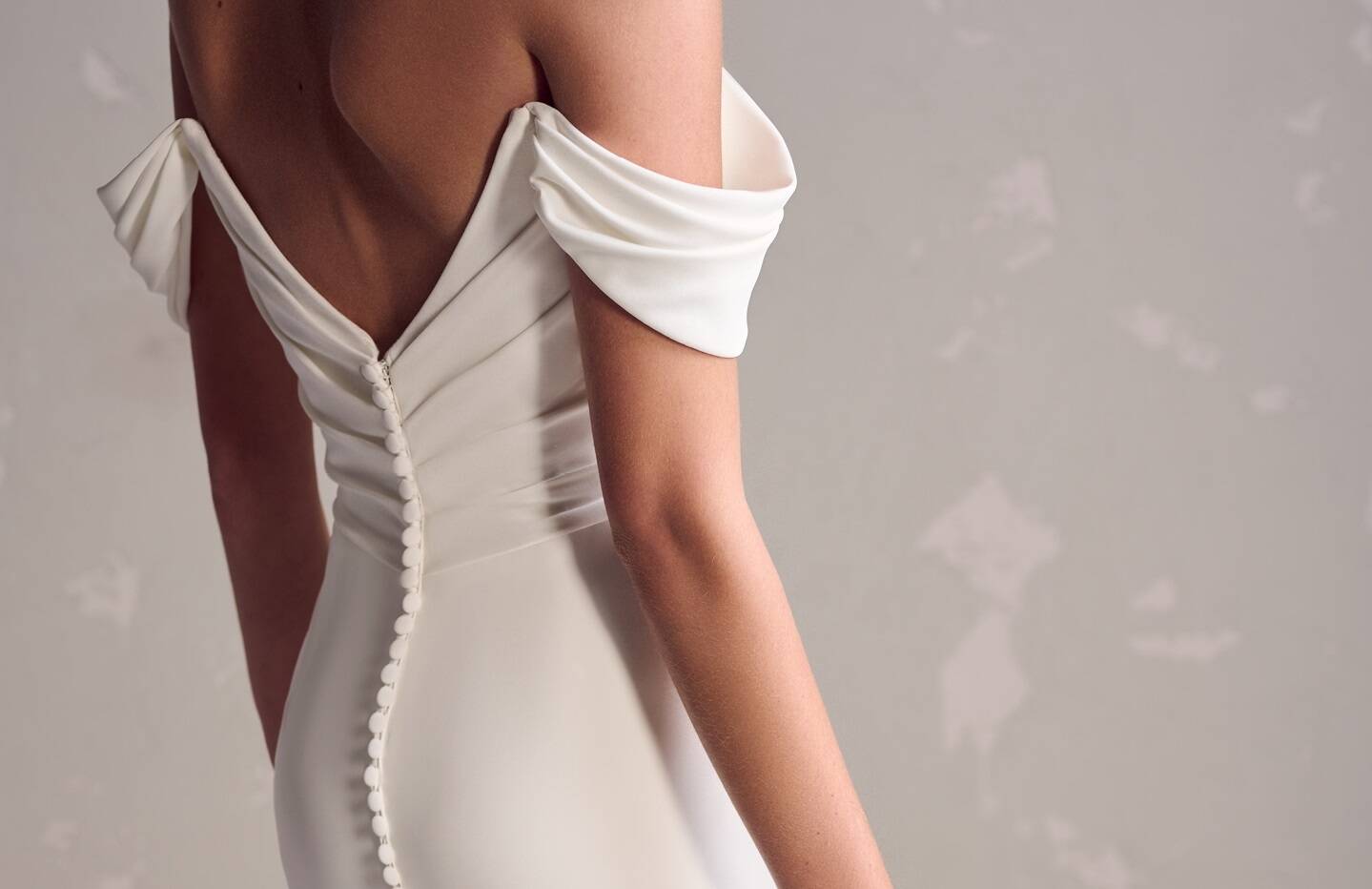
Polyester dress — Inter Tex
A modern wedding dress made of quality polyester. Catalog →

Polyester vs natural fabrics: comparison

ParameterPolyesterCottonSilk
PriceLowMediumHigh
StrengthVery highMediumHigh
BreathabilityLowHighHigh
WrinklingLowHighMedium
Shrinkage~0%5-10%5-15%
CareEasyMediumHard
Eco-friendlinessLowHighHigh

Best option: a "polyester + cotton" blend (e.g., 65/35) — you get the pros of both: strength and breathability.

Is polyester safe for health

Certified polyester from European factories (with the OEKO-TEX certificate) is completely safe for skin. Doesn't cause allergies, doesn't release harmful substances at normal temperature. Issues may occur with cheap polyester from unverified sources — chemical production residues may remain.

OEKO-TEX Standard 100 — guarantees the fabric doesn't contain over 100 harmful substances in dangerous concentrations. Inter Tex works only with certified suppliers.

Polyester in wedding dresses

  • Lining — most often polyester (soft, doesn't fade)
  • Voluminous skirts — polyester holds shape
  • Train — doesn't crease in transit
  • Appliques and embroidery — polyester threads don't fade
  • Capes and boleros — drapes naturally

Looking for quality polyester fabrics?

Inter Tex catalog — soft, crepe, chiffon, satin from quality certified polyester. Wholesale from 20 m.

Go to catalog →

How to wash polyester

Care rules: machine wash 30-40 °C, synthetic mode. Dry naturally (not high-heat dryer!). Iron on low (synthetic). No bleach — it discolours polyester.

Polyester myths

Myth 1: polyester is always cheap. No — there are premium types (microfibre, Barbie crepe) that are expensive and look luxurious.
Myth 2: polyester can't be worn in summer. Not entirely true — there are special types with better breathability; you can also choose thin and light ones.
Myth 3: polyester is harmful. Certified — no. Safe for health with proper care.
Types of polyester fabrics and their applications

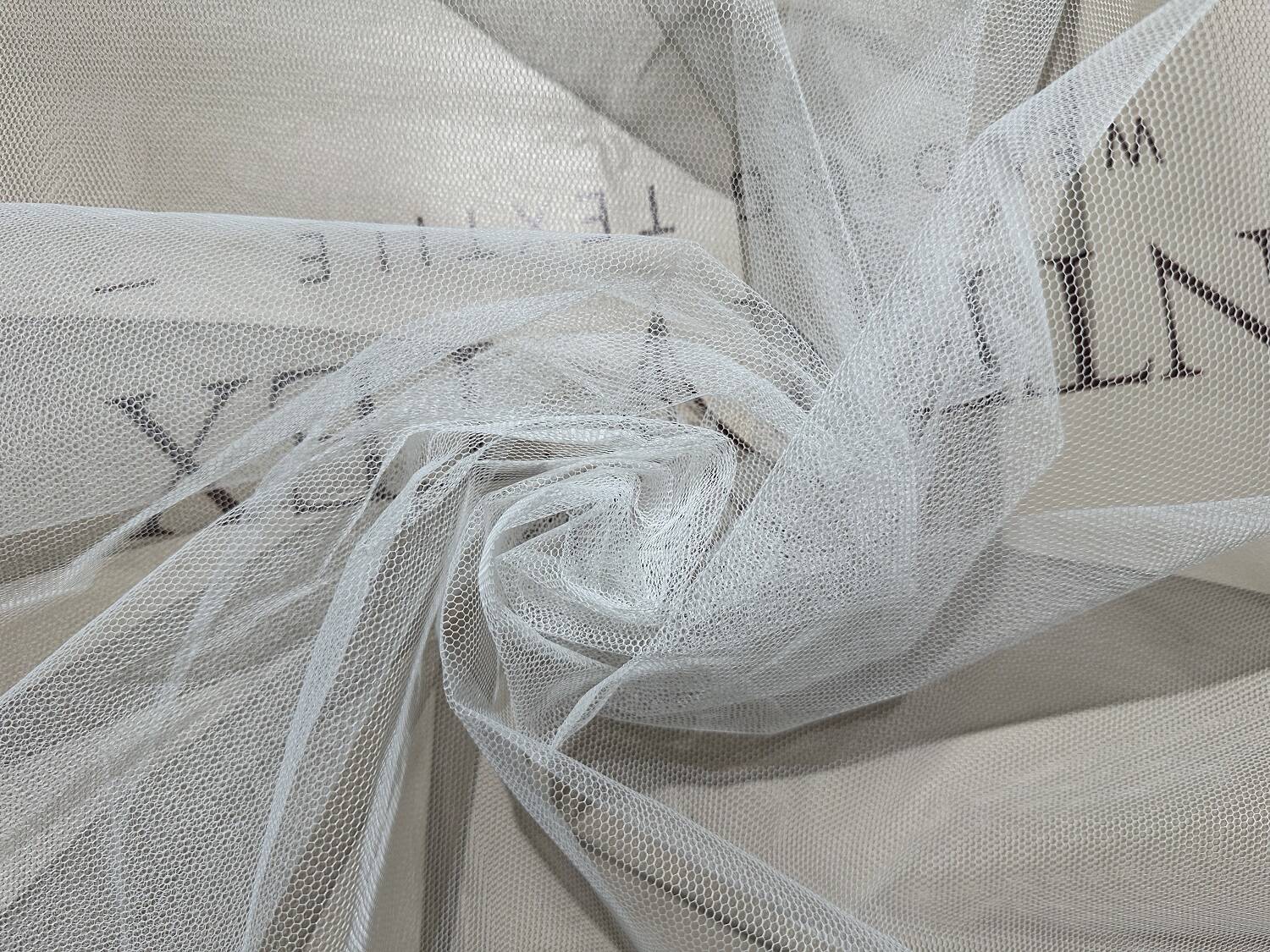
Polyester comes in many varieties with fundamentally different properties. Polyester satin (Duchess satin) — dense, high-sheen, used for premium wedding gowns. Polyester chiffon — lightweight, semi-sheer, for capes, overlays and summer dresses. Polyester tulle — stiff or soft, for voluminous skirts and veils. Technical polyester (microfibre) — for linings, corset elements and sportswear.

When choosing polyester, focus on weight in g/m² and weave type: light chiffon at 50–80 g/m² suits multi-layer airy constructions; satin at 120–180 g/m² handles structured garments. Note yarn type: FDY (fully drawn yarn) gives a smooth surface; DTY (drawn textured yarn) produces a softer, more matte texture.

Polyester and sustainability

Recycled polyester (rPET), made from plastic bottles or fabric offcuts, has 2–3 times lower climate impact than virgin polyester. Major European brands are switching to rPET: it is mechanically identical to virgin material and is certified under the Global Recycled Standard (GRS). When washing polyester, using a Guppyfriend washing bag reduces microplastic emissions by 86%.

Polyester in the bridal industry: popular applications

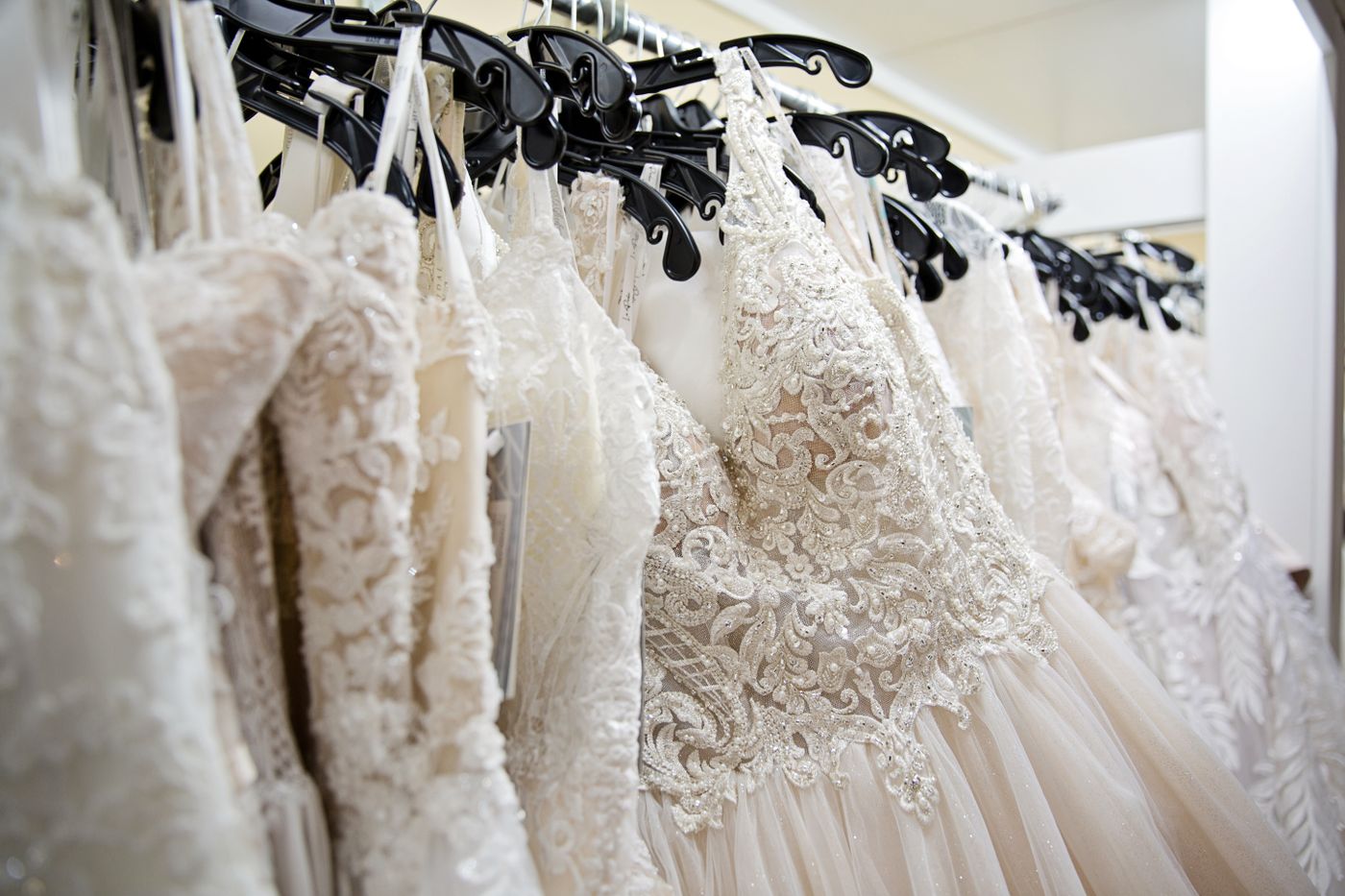
Polyester tulle is a staple of voluminous wedding skirts and veils. Polyester lace is an affordable alternative to nylon lace: slightly stiffer but holds shape reliably. For mass-market bridal production, polyester lace accounts for 60–70% of most manufacturers' range. Polyester lining at 55–80 g/m² is the most common in the mass segment: quick-drying, non-stretching and easy to cut.

When choosing polyester for lining, check for anti-static treatment: quality polyester does not cling to nylon tulle or collect lint. Moisture-wicking polyester wicks perspiration away from the skin — relevant for summer weddings. Recycled polyester (rPET) is increasingly available and carries the same mechanical properties as virgin material.

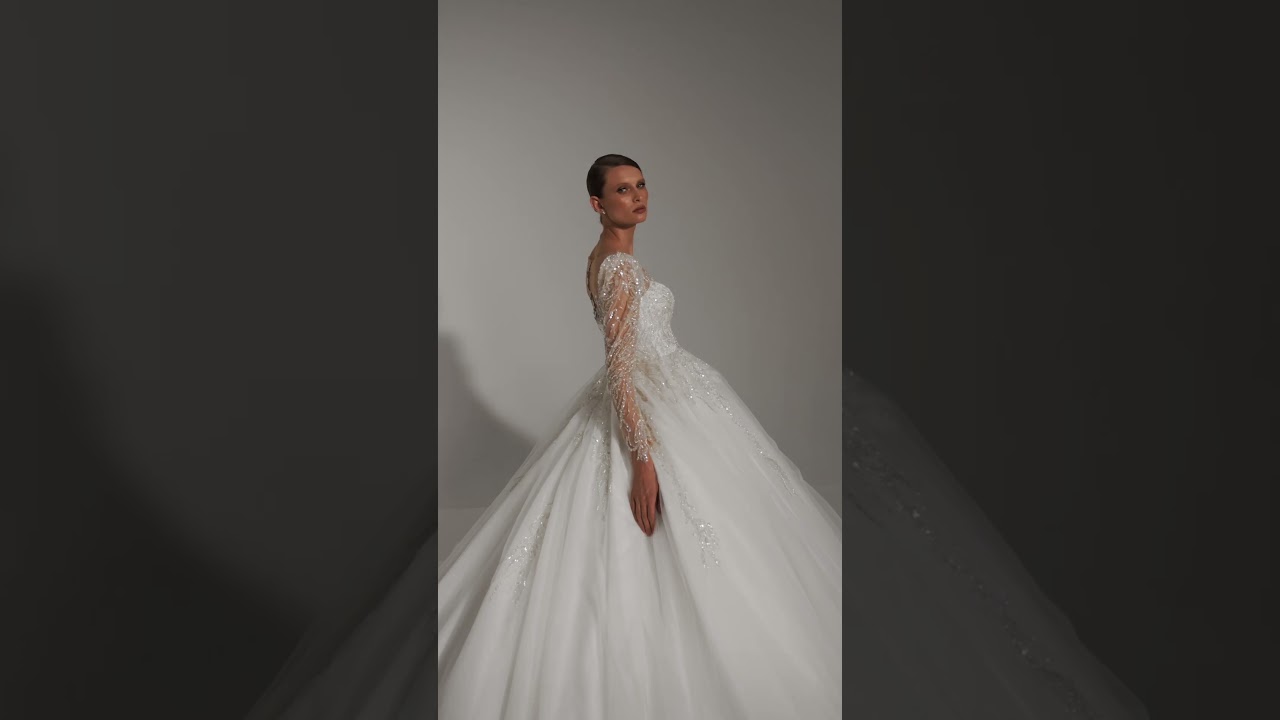
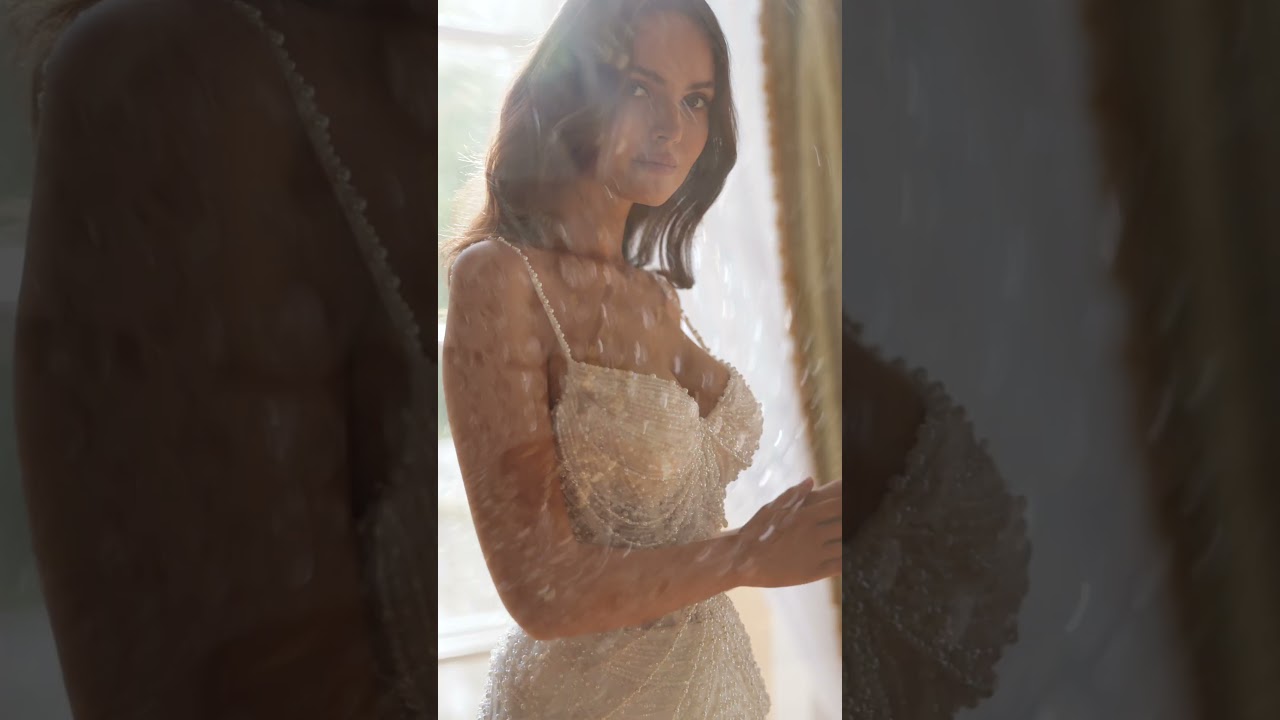
How this fabric looks in real wedding dresses

Examples from Inter Tex bridal collections — AVA and Adóra:

AVA dress — Inter Tex
AVA dress
Sculptural A-line from our fabric
Adóra 2601 dress — Inter Tex
Adóra · 2601
Guipure corset + mikado skirt
Adóra 2602 dress — Inter Tex
Adóra · 2602
Dress with elegant train

Watch: TM Inter Tex fabric collection

Polyester fabrics in Inter Tex catalog

Click for details:

Code 384535
Code 384535
Code 330341
Code 330341
Code 321080
Code 321080
Code 306872
Code 306872

Practical care tip for polyester garments: if static develops, use an anti-static spray or add a tablespoon of white vinegar to the rinse water. To prevent pilling, turn the garment inside out before washing and select a delicate cycle. Polyester dries quickly — typically in 1–2 hours, making it practical for ateliers with tight production schedules. Polyester resists most household stains and is compatible with professional dry-cleaning.

The Inter Tex polyester fabric range covers satin, chiffon, tulle, lace and lining fabrics. All items are available from 5 metres, allowing ateliers to trial new references without significant investment. Technical data sheets with fibre composition and care recommendations are provided free of charge.

Buy polyester fabrics at Inter Tex

Wholesale and retail. Shipping to Ukraine, Moldova, Poland, Romania, EU.

Fabrics Laces Appliques Macrame

Frequently asked questions

The most popular questions from brides and ateliers — answered by Inter Tex experts:

What is polyester?
Polyester — synthetic fabric made from polyethylene terephthalate (PET) — a petroleum refining product. The most popular synthetic fabric in the world.
Is polyester good or bad?
Polyester has pros (strength, price, easy care) and cons (poor breathability, not biodegradable). Quality certified polyester is an excellent material for many products.
Is polyester safe?
Certified polyester from European factories (with OEKO-TEX) is completely safe for skin and health. Cheap polyester from unverified sources may contain chemical residues.
How to wash polyester?
Machine wash 30-40 °C, synthetic mode. Dry naturally. Iron on low. No bleach.
Where to buy polyester fabrics wholesale?
Inter Tex catalog — soft, crepe, chiffon, satin from quality certified polyester. Wholesale from 20 m, retail from 1 m, 1-3 day delivery.

Read also

Soft Fabric: Complete Guide — Types, Properties, Where to Buy
Fabrics · Guide

Soft fabric: complete guide

Synthetic or cotton: what is better for a wedding dress
Synthetic vs natural

Synthetic vs cotton

How to Bleach Clothes at Home: 6 Safe Methods for 8 Fabric Types
Care

How to bleach clothes at home

Share this article: Facebook Pinterest Twitter WhatsApp Email
Share:
X
Articole similare
Printed Organza 2026: From Princess to Runways
Lace Types from Classic to Modern: 8 Patterns Compared 2026
Guipure Lace: What It Is, How to Use, Buy Online 2026
Types of Lace 2026: Guipure, Chantilly, 3D, Macrame Compared
Want to be the first to know?
Subscribe to our newsletter — get the latest deals and arrivals first.
WhatsApp
Inter Tex
  • About company
  • FAQ
  • Payment & Delivery
  • Blog
  • Drawing up of an order
  • Wholesale cooperation
  • Contacts
  • Site Map
Mastercard Visa
+38(050)-337-00-77
+38(068)-336-00-77
+38(050)-337-00-77
+38(067)-336-00-77
0661418500
info@intertex-fabric.com
2026 © Inter Tex
  • Public Offer
  • Privacy Policy
Site Map

Continue shopping Show cart