The right fabric makes a simple pattern look expensive. The wrong one wastes yardage and labour: linings creep, bias seams wave, the silhouette collapses. Here is a practical framework — fibre, weight, drape, season, silhouette, lining, common mistakes and a checklist before you commit.
Fabric and silhouette: a practical guide
The rule "fabric determines silhouette" works in both directions. A voluminous skirt in lightweight chiffon requires 6–8 m and several petticoats — the budget differs significantly from a fitted dress in 1.5–2 m of dense mikado. When designing an atelier collection, we recommend starting from the fabric rather than the pattern: the choice of material determines purchase volume, garment price and sewing complexity alike.
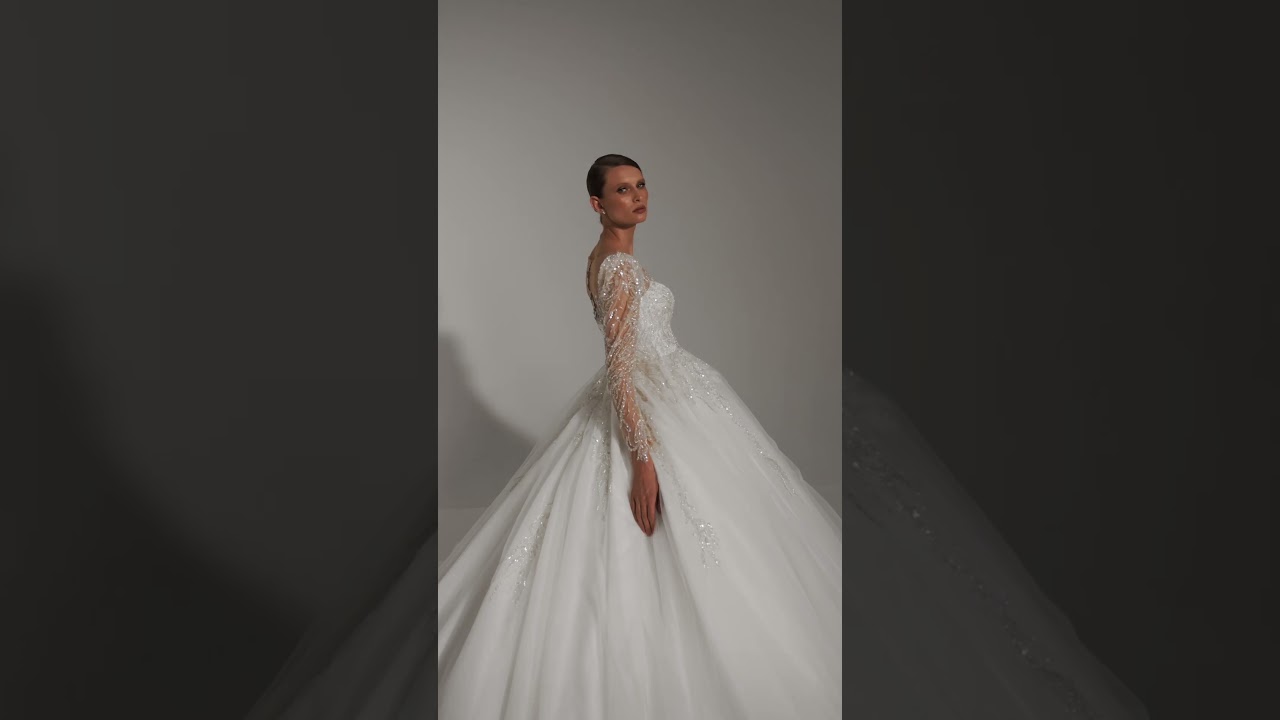
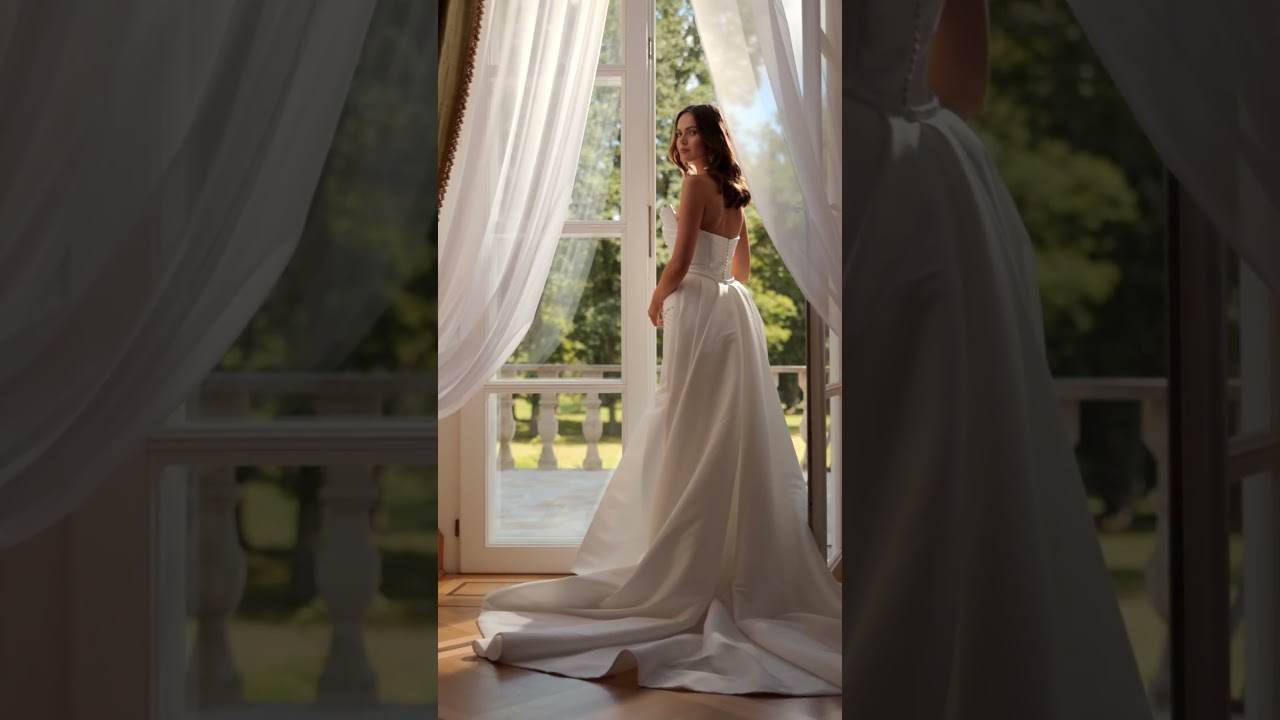
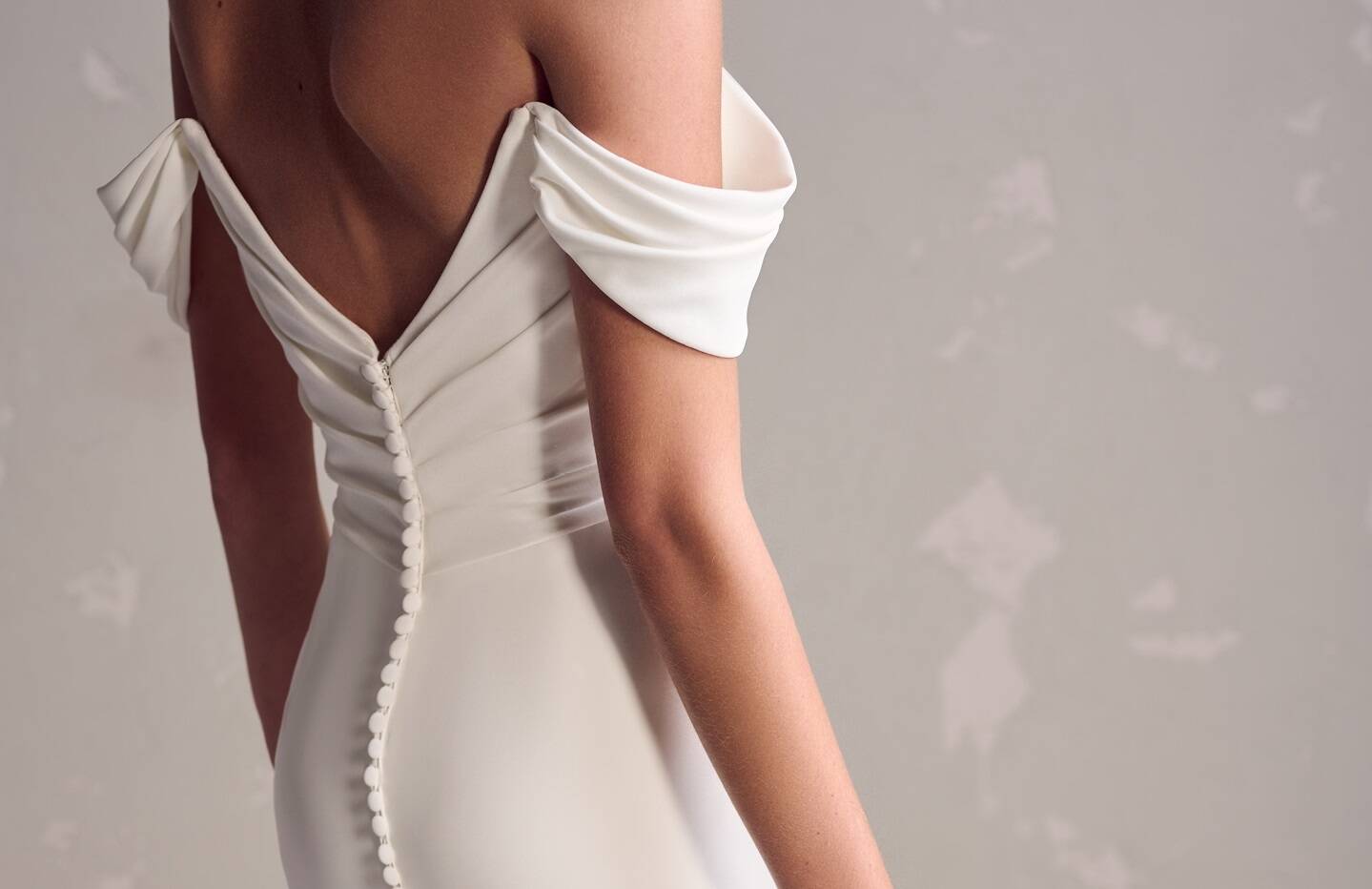
Silk satin and mikado lead sales in the premium and luxury wedding dress segment. Satin creates a fluid, gliding silhouette — ideal for Hollywood glamour and A-line shapes. Mikado is denser, holds architectural structure and does not slip off structural inserts without lining. Light chiffon is indispensable for multi-layered skirts, capes and body-veils.
Key 2026 trends: fabric at centre stage
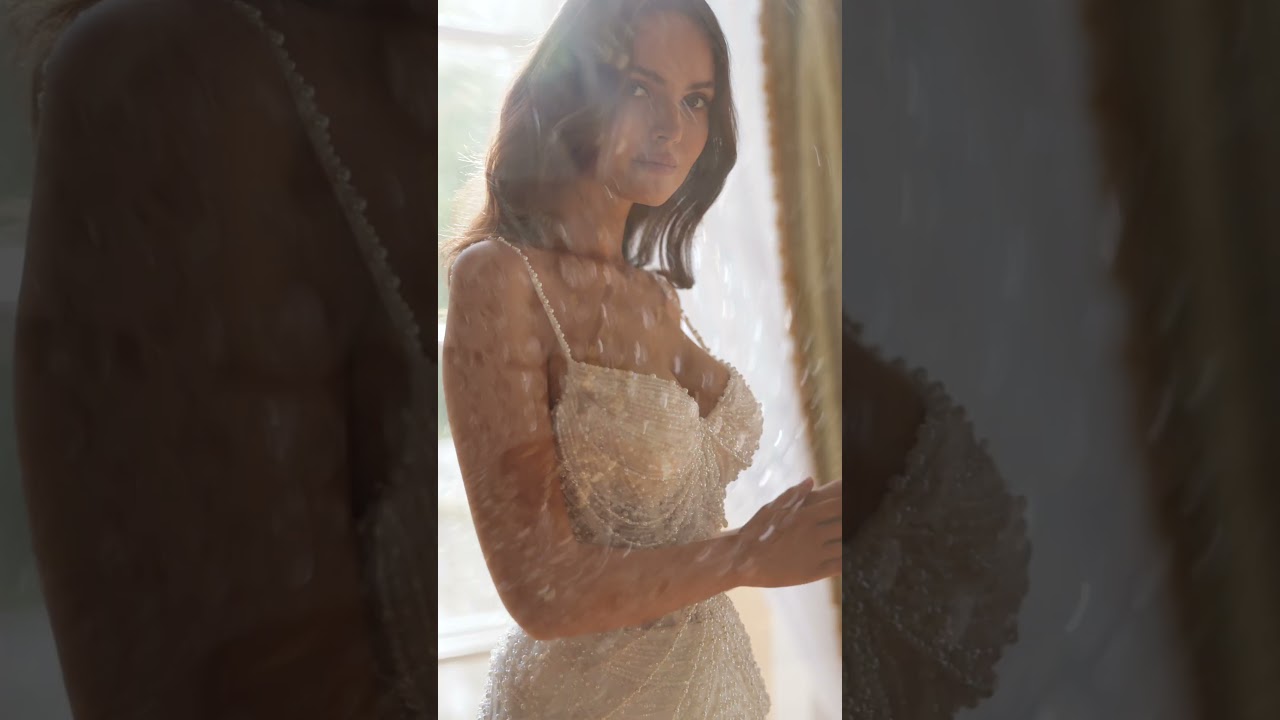
In 2025–2026, the main bridal fashion shifts moved towards considered material choice. Designers increasingly build a collection around a single "signature" fabric rather than a silhouette or decoration scheme. Silky Duchess satin, matte crêpe and "heavy" guipure — each of these materials can build a complete look without additional ornamentation.
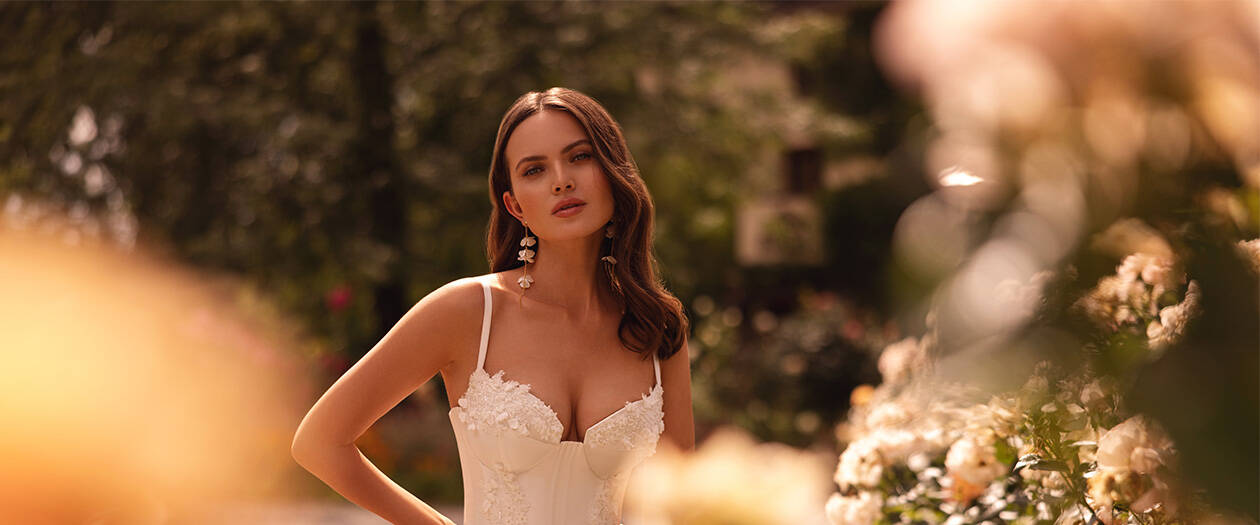
Another trend is the use of contrasting pairs: structured mikado and weightless chiffon, dense lace top and smooth satin skirt. Such combinations showcase cutting mastery and emphasise the multi-dimensionality of the silhouette. For ateliers, this is an opportunity to offer a client "two looks" in one garment — more formal for the ceremony, lighter for the reception.
Working with swatches: a practical protocol
A professional approach to fabric selection includes three mandatory steps: assessment under different lighting, a tactile test and a mini-cut. For lighting: examine the swatch in daylight through a window, under warm incandescent bulbs and under cool LEDs — the colour of "ivory" changes radically depending on the source. Tactile test: crumple the swatch in your fist for 30 seconds and release — a fabric that creases badly after this tells you more than any description.
A mini-cut of 20×20 cm on the bias and on the straight will show how the fabric behaves in both directions: stretch effect, edge fraying, distortion. Do not skimp on this step. Inter Tex provides swatches on request before any large order.
Lining: why it matters as much as the outer fabric
Lining quality determines how the gown sits on the body in motion: walking, sitting, dancing. Poor lining rides up or down, creates discomfort and distorts the outer silhouette geometry. Three standard lining types are used for floor-length bridal gowns: cupro (best choice for warm skin), viscose jersey (soft, breathable) and polyester chiffon (shape-stable, economical). Always match or exceed the outer fabric width — never cut lining tight; this guarantees a tear at the first fitting.
Fibre fundamentals
Natural fibres usually breathe. Synthetics add durability and stretch but change sheen and static. Always read the care label alongside the composition.
Weight and density
Light cloths (chiffon, fine viscose) make fluid folds; heavy ones (mikado, dense satin) hold architecture. Summer comfort is about grams per square metre, not roll width alone.
Drape
Drape is how fabric falls into folds. Soft drape suits bias and pleats; firm drape suits waistbands and straight lines.
Season
Hot weather calls for breathable bases; cooler months may need denser shells or stable linings. Trans-seasonal dresses often use viscose with a touch of elastane.
Silhouette and lining pairing
| Silhouette | Fabric example | Lining |
|---|---|---|
| A-line | Mikado, satin, dense viscose | Stable, breathable |
| Fitted midi | Jersey, viscose-elastane | Micro-mesh or none |
| Pleats / bias | Light chiffon, crepe | More opaque against skin |
| Shirtdress | Cotton, linen, soft | Cotton or none |
| Volume evening | Organza, layered chiffon | Cupro or viscose |

Fabric and season
A wedding gown must be comfortable at the venue temperature. For summer and outdoor ceremonies (+25°C and above): lightweight chiffon, natural organza and viscose lead — they provide ventilation and minimal heat build-up. For winter and indoor venues: mikado, dense satin and organza with lining are appropriate. Even in winter, a breathable cupro or viscose lining is recommended — body heat under multiple fabric layers reaches +30°C quickly.
Common mistakes
- Wrong weight for bias — stiff cloth breaks the line and pulls unevenly
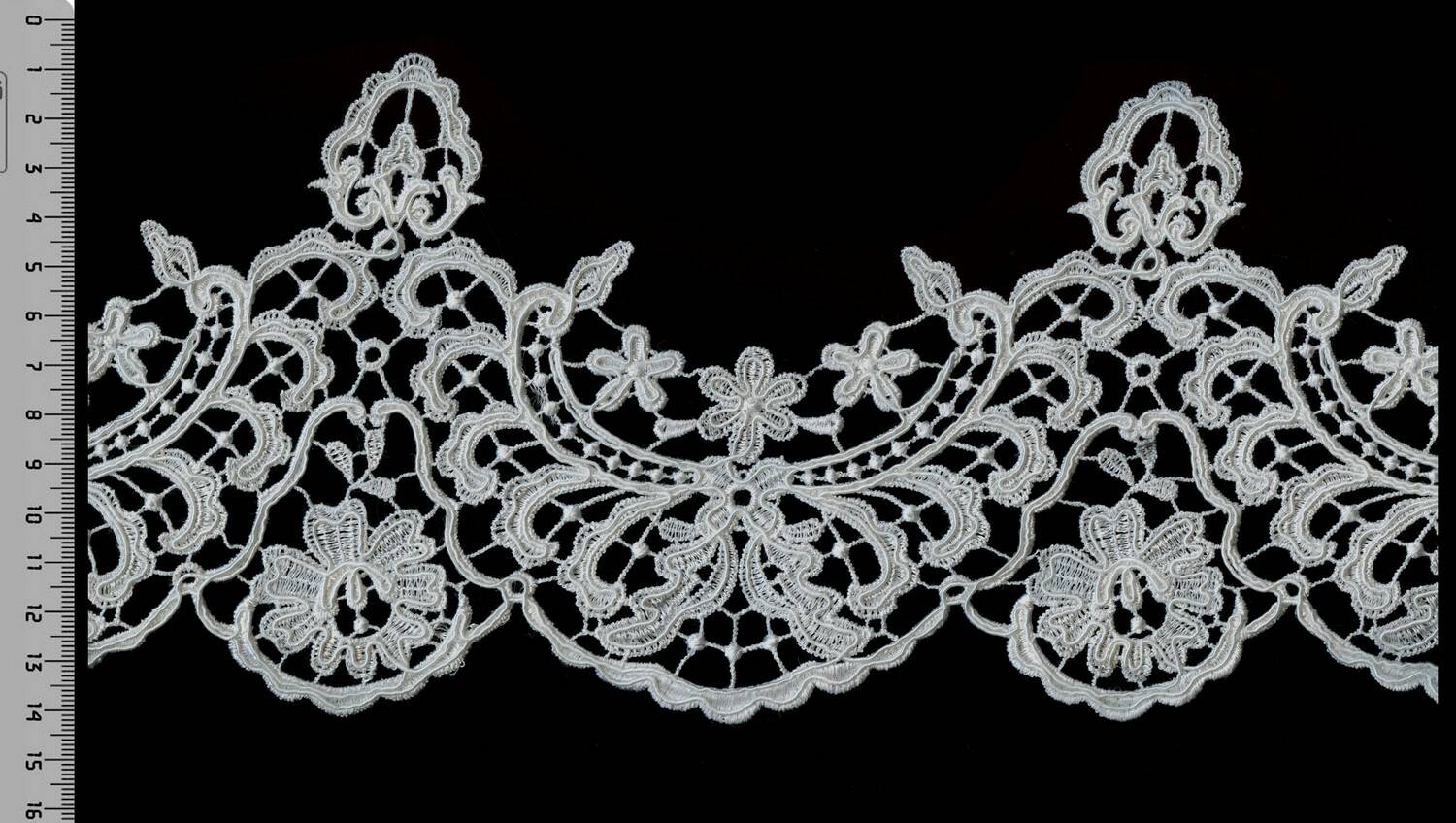
- Ignoring grain — critical on lace and jacquard
- Too rigid a lining — the shell floats away from the body
- No swatch — screen colour ≠ ballroom light
If you plan bias cuts on heavy satin or mikado, test a 20×20 cm panel on the stand first — elongation can surprise you.
Checklist before you order
- Care vs client lifestyle
- Yardage +10–15% for print, bias and alterations
- Lining width & wash rules aligned with shell
- Swatch in daylight and warm indoor light
- One dye lot for the whole garment
Request fabric swatches
Compare drape before cutting.
Indicative pricing (USD / metre)
| Tier | Examples | USD/m |
|---|---|---|
| Budget | Cotton, viscose | 3–10 |
| Mid | Chiffon, soft, satin | 8–24 |
| Premium | Mikado, heavy satin | 20–45 |
Inter Tex helps match cloth to pattern and season — from cotton basics to chiffon, satin and mikado for evening and bridal lines.