Why this matters for ateliers
In bridal production, fabric affects fit, cost, sewing time and the bride’s final impression. An atelier should evaluate a material not only by photos, but by how it behaves in the finished dress.
For SEO and sales, describe not only the fabric name but the problem it solves: volume, lightness, support, shine, texture or premium effect.
Start with the goal of the model, then choose the base fabric, sheer layer, lace or decoration, and test the set on a sample. This gives an atelier a working system, not a random fabric list.
How to choose materials and suppliers
Before ordering, check physical swatches, width, weight, composition, dye lot, reorder availability and delivery time.
- order swatches first;
- check colour in daylight;
- calculate consumption before buying;
- record dye lot details;
- plan reserve fabric for fittings.
A practical buying workflow
Build a material card for every style: base fabric, lining, tulle, lace, decoration and structural materials. Calculate consumption and add a 10-15% reserve.
Common mistakes
The most costly mistakes are ordering without samples, mixing dye lots, saving on linings, choosing the wrong structural base and having no reserve material.
| Mistake | Result |
|---|---|
| No swatch | wrong colour risk |
| Saving on the base | poor dress fit |
| No reserve | fitting problems |
How Inter Tex helps
Inter Tex supplies bridal fabrics, lace, tulle, organza, satin, mikado and decorative materials for ateliers. We help clients match fabric to silhouette, season and budget.
Conclusion
A strong collection starts with the right material and a reliable supplier. Inter Tex can help you select fabrics, lace and decoration for your styles.
Advanced B2B Decision Framework
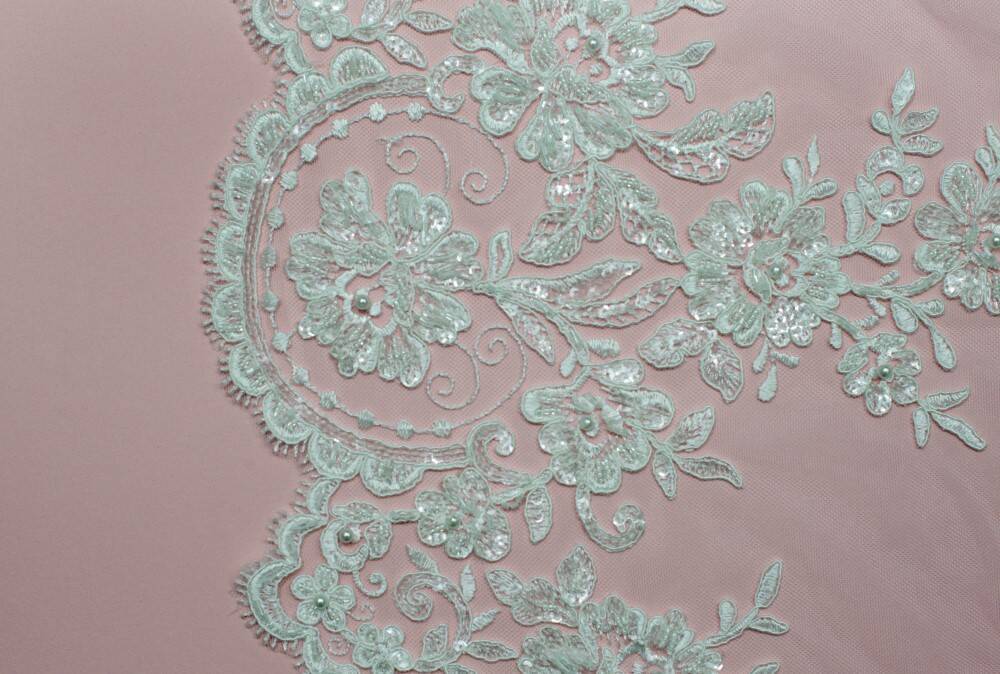
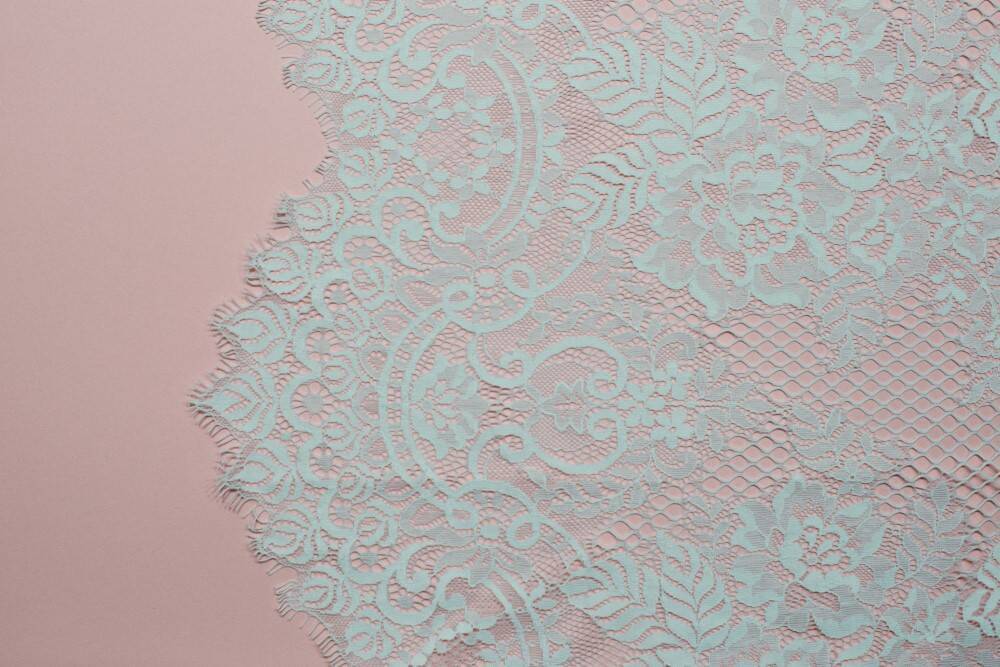
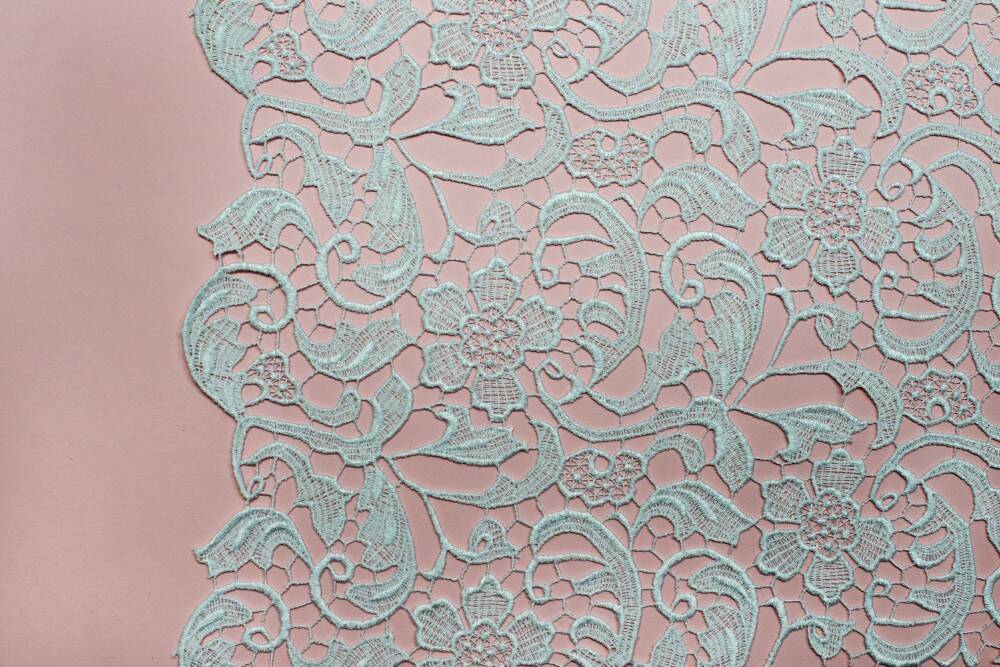
When working with Guipure vs Chantilly comparison, a professional atelier must think beyond the final bride’s first impression. The bride often reacts emotionally to colour, shine, Pinterest images and touch. The atelier is responsible for construction, deadlines, repeatable quality and margin. That is why the decision should be based on fabric testing, supply control and a clear cost map.
Before launching a new style, create a small prototype: a bodice fragment, a draped panel or a decorative sample. This shows whether the fabric distorts, how it holds the seam, whether the lining shows through, and whether the shade matches ivory, champagne or blush. This test costs far less than rebuilding a finished wedding dress after the second fitting.
Commercial Logic for a Bridal Collection
A strong atelier collection should not be built from random fabrics. It is better to work with 8-12 stable core articles that can be combined: satin or mikado for structure, tulle for volume, Chantilly or guipure for accent, organza for airy details, and appliques for premium models. This system simplifies sales, purchasing and repeat production.
- budget models need predictable materials with low production risk;
- mid-range models sell through balance: quality, fit and visible texture;
- premium models require Italian lace, refined decoration and excellent finishing;
- couture-level work depends on hand application, unique material combinations and details that cannot be copied easily.
Quality Control Before Delivery
The final check should include fit in movement, seam behaviour after steaming, stability of decorative elements, lining comfort and the look of the dress in daylight and evening lighting. This matters because a wedding dress is not a showroom object: the bride walks, dances, sits in a car, and is photographed in many lighting conditions.
Inter Tex helps bridal ateliers select fabrics for a specific price segment, season and collection style. For B2B clients, swatches, dye lot consistency and reorder availability are what protect production quality when a style starts selling.
2026 Atelier Trend Notes
The strongest bridal collections in 2026 are built around clarity: fewer random fabrics, better material logic and stronger visual storytelling. Brides are asking for gowns that photograph beautifully but still feel comfortable for a long wedding day. This means ateliers need fabrics and details that perform in real use, not only on a hanger.
Across Europe, the most commercial direction is refined texture: Chantilly lace used as an accent, guipure for structure, organza for volume, satin or mikado for clean silhouettes, and 3D appliques for premium custom work. The best results come from combining one expressive detail with a calm base fabric.
How to Use This Topic in a B2B Collection
For an atelier, every material decision should be linked to a sellable model. A fabric that is beautiful but difficult to sew, impossible to reorder, or unstable under steam can reduce margin and delay fittings. Before adding a new item to a collection, test it on a small sample: seam behaviour, drape, pressing, lining compatibility and colour under daylight.
- keep a material card for every gown model;
- record supplier, width, composition, dye lot and reorder conditions;
- prepare one budget version and one premium version of each popular style;
- use physical swatches during consultations instead of relying only on photos;
- explain the difference between basic, premium and couture materials to the bride.
Quality Checklist Before Ordering
Check the edge, repeat, density, transparency, elasticity and finish before ordering larger quantities. For lace, inspect pattern clarity and thread tension. For satin and mikado, check crease recovery and light reflection. For appliques or embellished fabrics, test how the decoration behaves during stitching and steaming.
Inter Tex supports bridal ateliers with fabric selection, wholesale quantities, samples and practical advice for production planning. This helps designers build collections that are visually current, technically reliable and commercially profitable.
What to browse in the Inter Tex catalogue
Click to open the category you need: