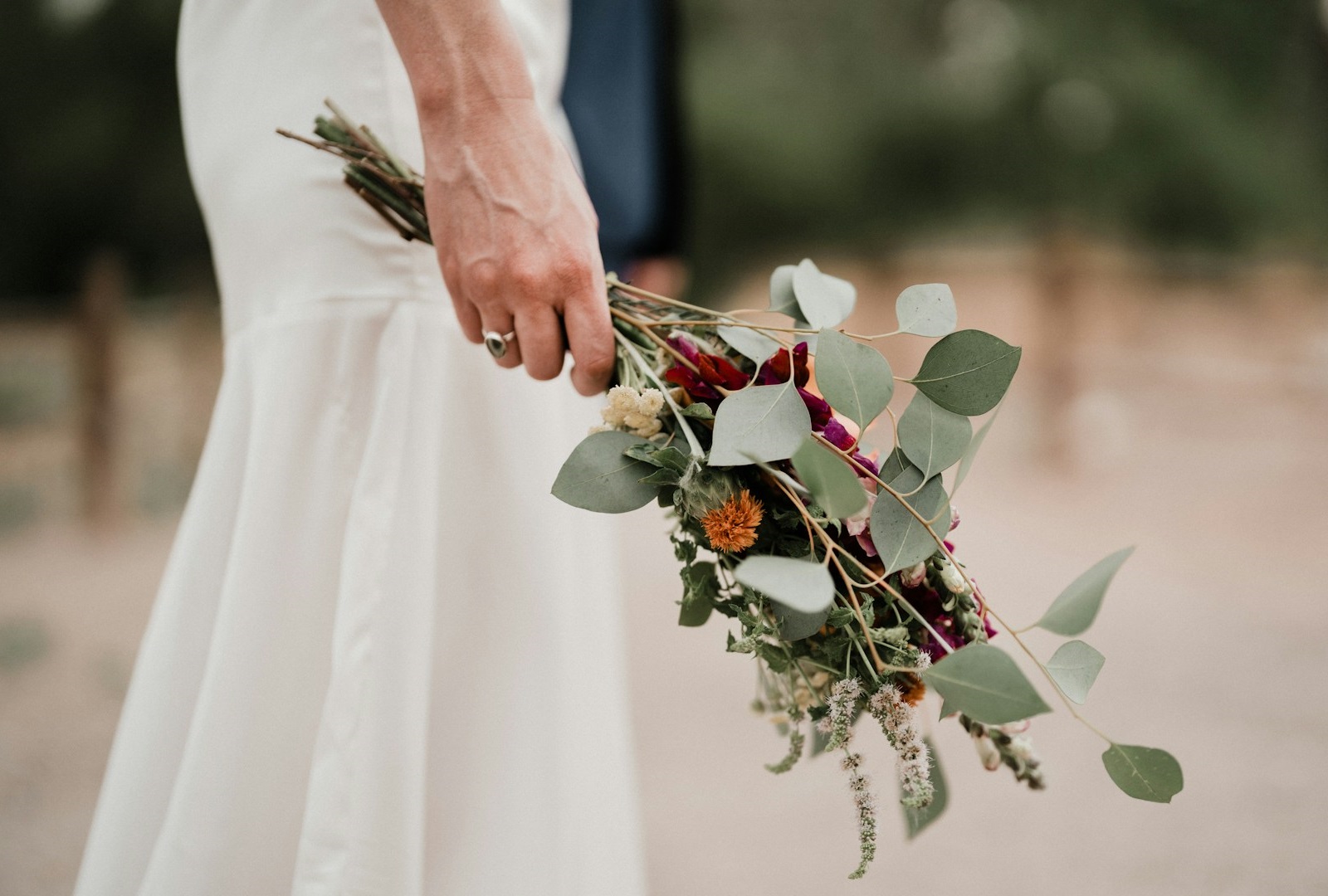
Bridal fashion in 2026 looks calmer but feels richer. Brides are moving away from “everything at once”: shine, lace, colour, sequins and an oversized skirt in one look. A cleaner formula works better: a simple base and one strong feature — a sculptural Mikado skirt, a sheer organza sleeve, fine Chantilly on the back, a statement bow, or 3D florals on the bodice.
For an atelier, that is an advantage: a collection can be built from a small, clear fabric system, not from dozens of random rolls. Below are the materials to prioritise in 2026, and how to use them so the dress looks current, expensive and easy to sell.
Key fabrics in the 2026 season
Starter set for a bridal atelier: Mikado for structure, atlas for smooth classics, crepe for minimalism, tulle and organza for volume, Chantilly / guipure / macramé for romance, and 3D appliqués for a focal point.
1. Mikado — architecture and a premium silhouette
Mikado remains one of the strongest wedding fabrics. It holds shape, defines the waist, gives a clean skirt line, and does not look plasticky in photos. In 2026, milk, ivory, champagne and soft pearl shades work especially well.
For an atelier, Mikado is practical because the bride sees the result on the first fitting: shape, weight and a “high-end” feel. Use it for A-line, ball gown, big bows, structured bodices, and clean minimal gowns.
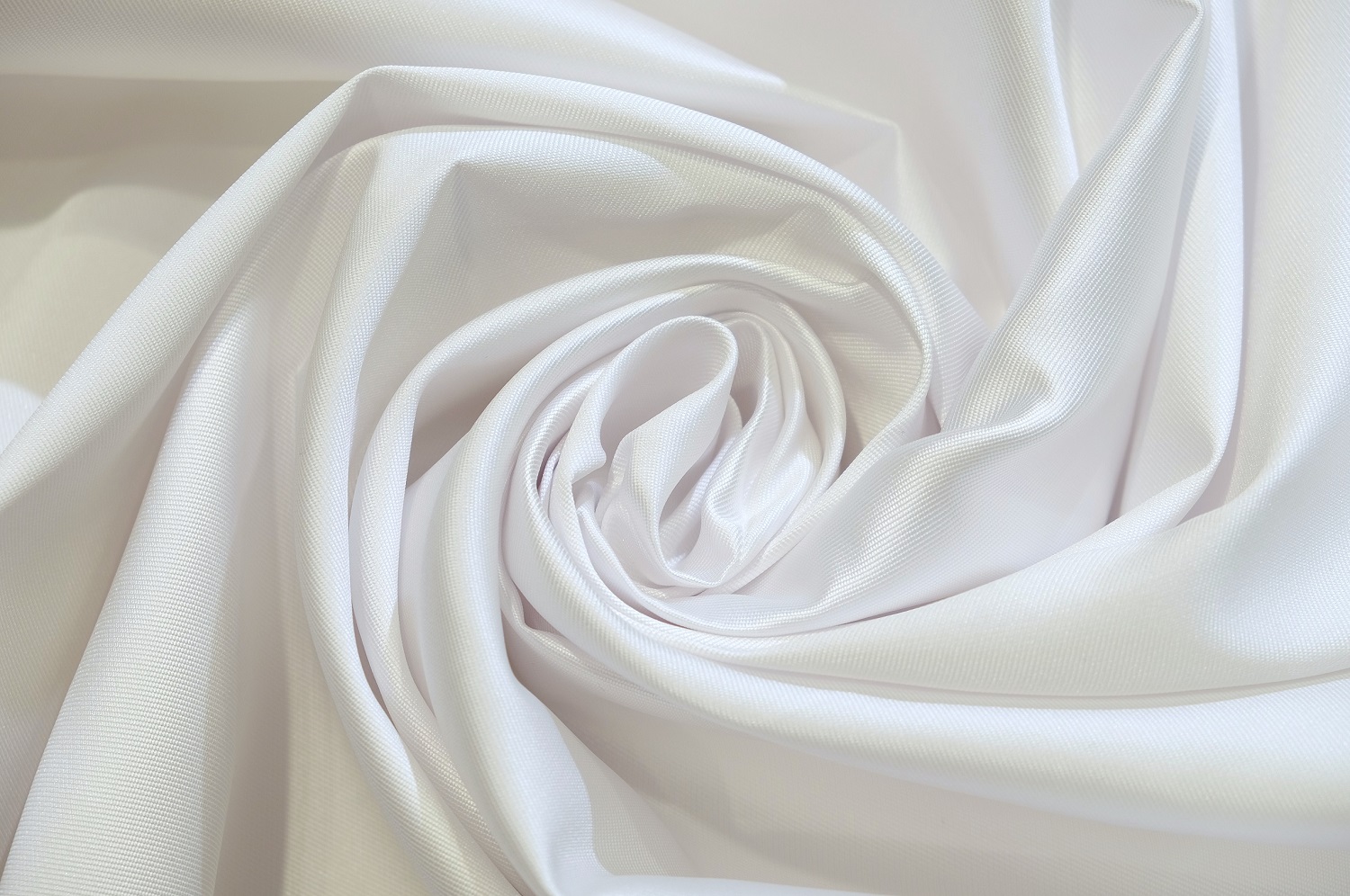
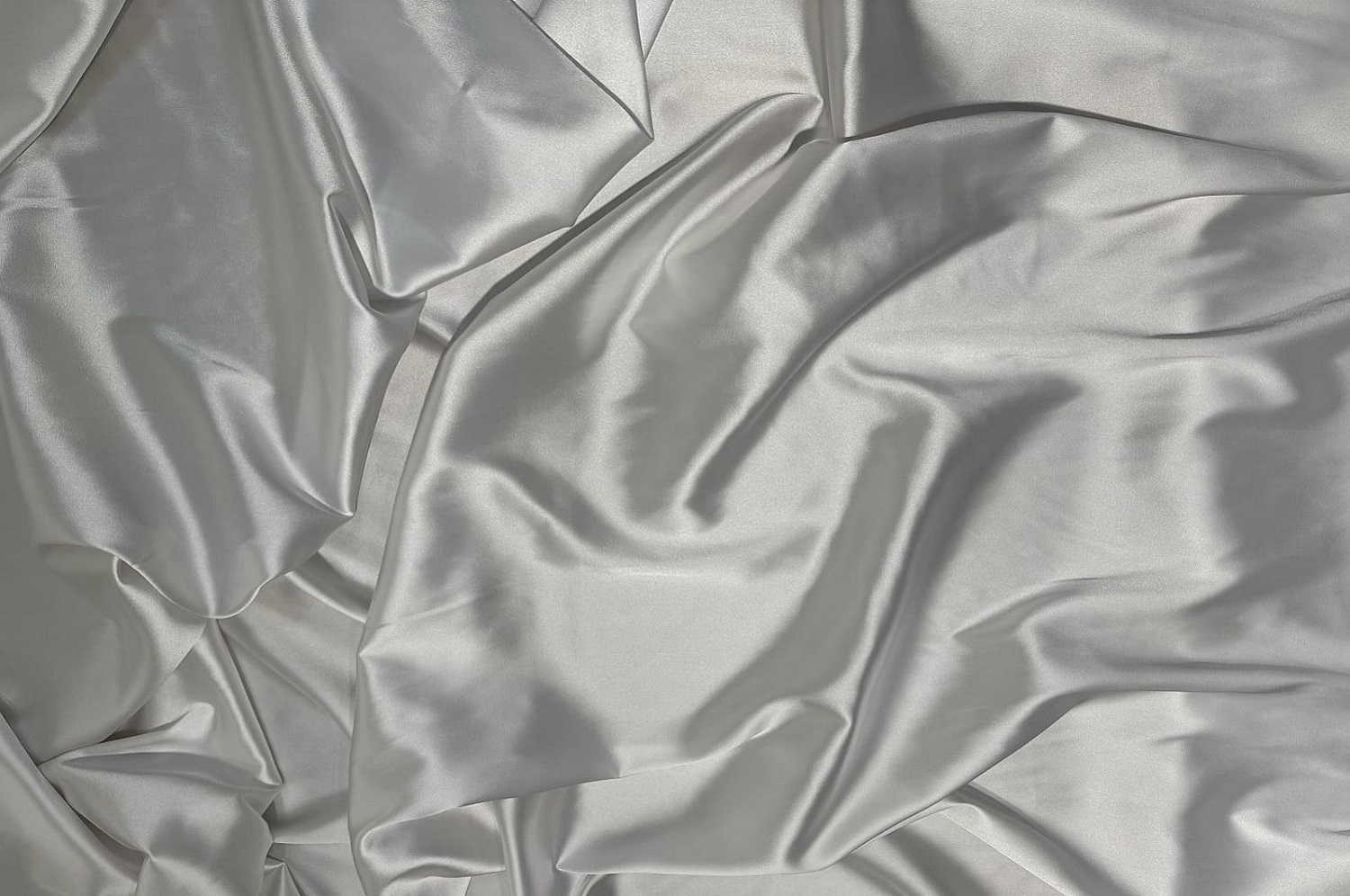
2. Atlas — smooth classics
Atlas is the workhorse of clean bridal looks, draping, linings, corset panels and “second look” minis. Choose a surface with a soft glow rather than a loud mirror shine — that reads more modern in photos and video.
3. Crepe — minimalism that sells
Crepe fits European minimalism: slim silhouettes, open backs, civil ceremonies, evening second looks. It does not need much decoration; the cut does the work. A good crepe is dense, flexible and forgiving on the body.
If you serve modern brides, keep crepe in the capsule. It pairs with Chantilly, fine net, pearl trims and removable details.
4. Tulle and organza — volume without heaviness
Soft tulle, euro-tulle and organza create the “air” in a look: full skirts, veils, sleeves, overskirts and removable trains. In 2026, volume is more controlled — light movement and transparency, not “layers for the sake of layers”.
Organza works for sharp architectural details: big sleeves, bows, transparent skirts, overlays on Mikado. Tulle is softer and more romantic — ideal for veils, layered skirts, and dreamy silhouettes.
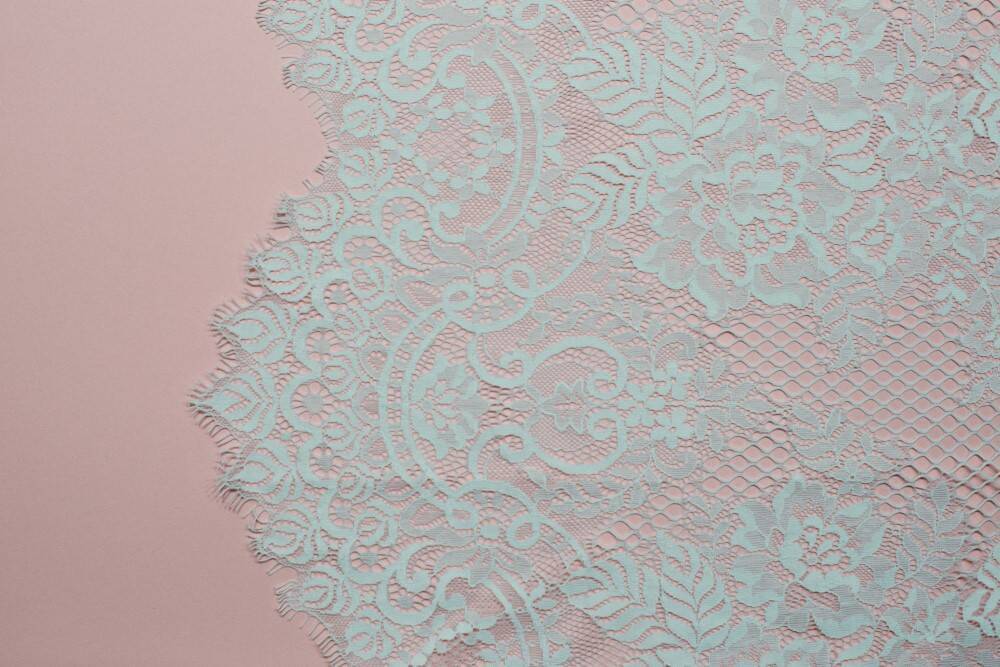
5. Lace: Chantilly, guipure, macramé
Lace is back as a precise accent, not a head-to-toe default. Chantilly suits fine sleeves, backs and veils. Guipure gives a bolder pattern on the bodice. Macramé feels heavier and more characterful.
Before buying bulk, look at the repeat, edge quality, drape, colour and yield. An expensive lace can be uneconomical if the motif does not match your pattern or creates too much waste.
6. 3D appliqués and decor
3D flowers, pearl, feather and textural embroidery stay relevant, but in small doses. The modern recipe is a simple base plus one feature — shoulder florals, a decorated back, a statement sleeve, a bow, or a dramatic veil.
Comparing popular fabrics
| Material | Strength | Best for | Check on a sample |
|---|---|---|---|
| Mikado | Holds structure | A-line, ball gown, bows | Weight and press marks |
| Atlas | Smooth sheen | Classic looks, draping | Glare in photos |
| Crepe | Clean line | Minimal, slim fits | Weight and body |
| Tulle / organza | Light volume | Skirt, veil, sleeves | Stiffness and colour |
| Lace | Texture and romance | Bodice, back, sleeves | Repeat and border |
Inter Tex can help you line up main fabrics, lace, tulle, linings and trims for your models.
A practical atelier capsule
You do not need “everything in stock”. A stronger approach is 8–12 reliable articles that mix and match: two base cloths, two sheers, two or three laces, linings, corset net and a few trims.
- structure — Mikado or dense atlas;
- lightness — tulle, organza or chiffon;
- romance — Chantilly or guipure;
- modern detail — 3D appliqués, a bow, pearl;
- reliability — good linings and technical fabrics.
When a fabric is doubtful, sew a small test first — a bodice sample, a drape, a sleeve test or a decor mock-up. It is cheaper than remaking a full gown after a fitting.
What to browse in the Inter Tex catalogue
One category per card — open the section you need:

When building a seasonal fabric capsule, prioritise coordination over individual trends. Your base fabric, lining, lace and decorative trims should align in weight, sheen and shade. An atelier that sources all key materials from one supplier avoids the dye-lot mismatch problem and delivers consistently finished garments to clients.